 Follow
Cell
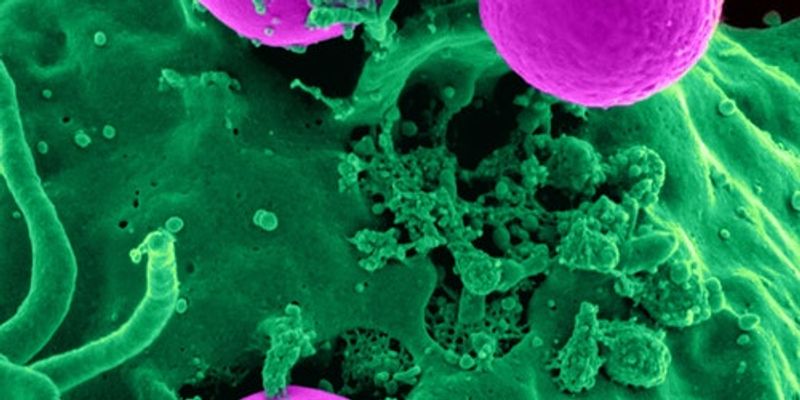
Cell: is the smallest structural and functional unit of an organism, typically microscopic and consisting of cytoplasm and a nucleus enclosed in a membrane. Microscopic organisms typically consist of a single cell, which is either eukaryotic or prokaryotic.

OCT 02, 2024 | 11:00 AM
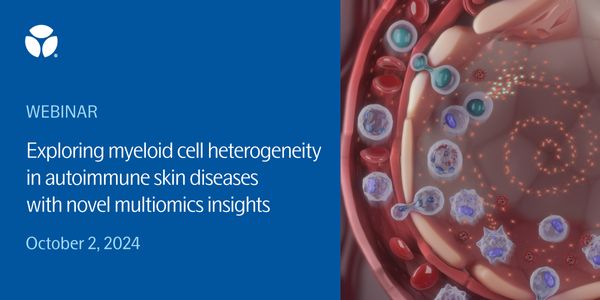
Inflammatory skin disorders comprise a diverse set of conditions exhibiting unique characteristics. Our objective was to systematically compare the affected and unaffected skin of individual...
OCT 02, 2024 | 8:00 AM

In this webinar, discover how Dr El Ahmar utilizes the BOND RX autostainer and image analysis workflow to stain formalin-fixed paraffin-embedded (FFPE) clinical trial samples with multiplex...
On Demand
C.E. CREDITS

Immunotherapy has changed the landscape of oncology, improving survival rates for many patients across a variety of malignancies. Two antibody-based immunotherapies, immune checkpoint inhibi...
On Demand
C.E. CREDITS

Pancreatic ductal adenocarcinoma (PDAC) is characterized clinically by poor survival and mechanistically by KRAS- and autophagy-dependent growth. We and others previously demonstrated that i...
On Demand
C.E. CREDITS

The 21st Century Cures Act, along with the FDA's Real-World Evidence (RWE) framework, has established a foundation for incorporating real-world data (RWD) into regulatory decision-making...
On Demand
C.E. CREDITS

Engineered immune cell therapies offer the promise of more tailored interventions than traditional systemic checkpoint blockades, but so far remain ineffective across the majority of clinica...
OCT 01, 2024 | 9:00 AM
Real-time reverse transcription PCR analysis of RNA expression in normal and diseased states is a fundamental technique used in research workflows. Immortalized and primary cells are often u...
SEP 26, 2024 | 10:00 AM
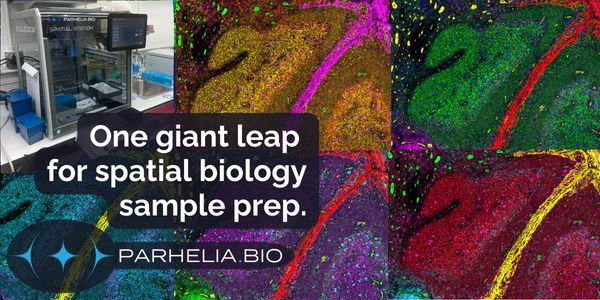
Advances in spatial biology enable scientists to visualize multiplexed biomolecules across multiple 'omics technologies at single-cell resolution. However, all of these technologies requ...
SEP 25, 2024 | 8:00 AM
C.E. CREDITS
Fluorescence microscopy offers robust, multi-parametric and scalable analysis of cell level activity in heterogenous populations with spatial and temporal resolution, often critical for effe...
SEP 25, 2024 | 7:00 AM
C.E. CREDITS
The cellular physiology of microbes can vary significantly within a population, even when exposed to identical external conditions. Recent theoretical and experimental studies have shown tha...
SEP 24, 2024 | 8:00 AM
Microplate readers are an essential tool in many laboratories - aiding researchers in a wide range of applications, including quantifying analytes, studying cellular processes, and assessing...
SEP 24, 2024 | 7:00 AM
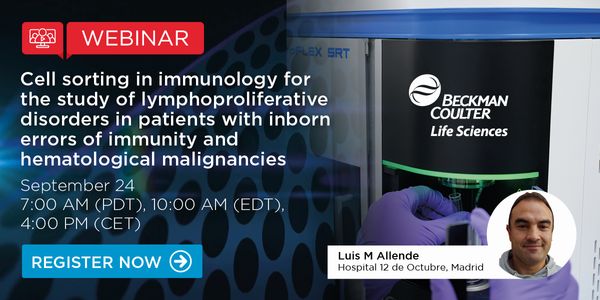
Human inborn errors of immunity (IEI) comprise a variety of diseases caused by molecular variants that impair both innate and adaptive immune responses. Patients with IEI often exhibit a sus...
SEP 19, 2024 | 9:00 AM
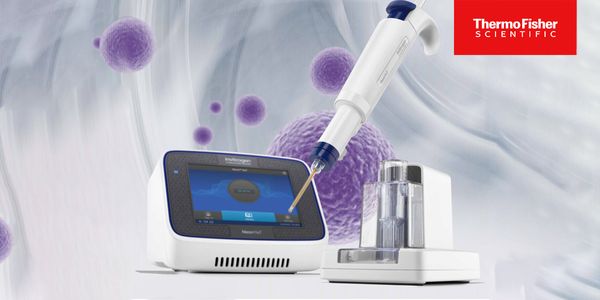
Unleash the power of electroporation with the Neon NxT Electroporation System. Join us for an insightful webinar where we demystify the basics of electroporation and guide you on how to opti...
SEP 18, 2024 | 12:00 PM
C.E. CREDITS

This webinar is designed to explore the fundamental characteristics of reverse transcriptases and the essential factors that play a pivotal role in achieving high-quality cDNA synthesis from...
SEP 18, 2024 | 10:30 AM
C.E. CREDITS

The quest to decipher the complex molecular events underpinning cell polarity and organelle segregation during eukaryotic cell division presents a formidable challenge. A predominant focus o...