 Follow
Cell
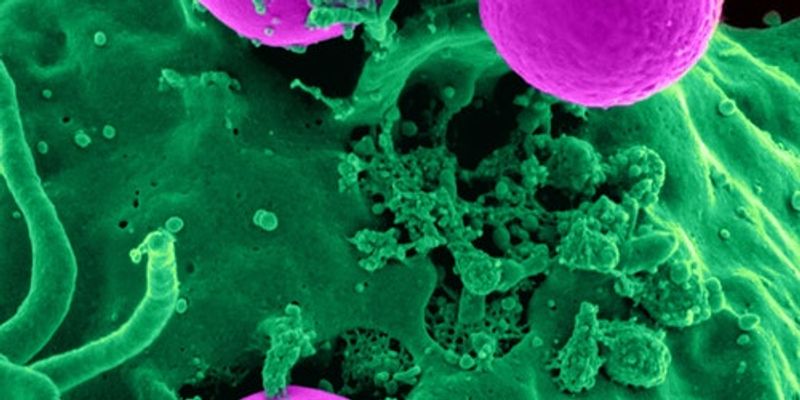
Cell: is the smallest structural and functional unit of an organism, typically microscopic and consisting of cytoplasm and a nucleus enclosed in a membrane. Microscopic organisms typically consist of a single cell, which is either eukaryotic or prokaryotic.



On Demand
C.E. CREDITS
Gene therapy has experienced an increasing number of successful human clinical trials, leading to 6 FDA approved products using delivery vectors based on adeno-associated viruses (AAV). Thes...
OCT 22, 2024 | 6:00 AM
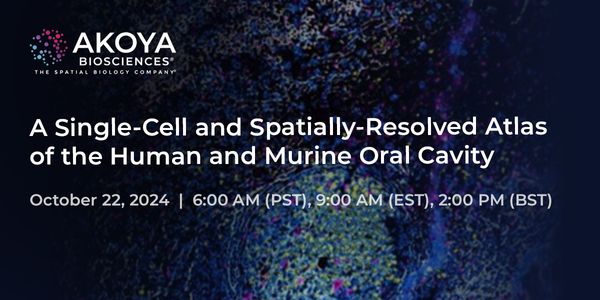
The oral cavity acts as the gateway to the respiratory and digestive tract, and is in continuity with the skin, sharing several of its features and structure. The oral cavity consists of var...
OCT 17, 2024 | 8:00 AM
To enhance productivity in research laboratories conducting genomic studies, automation techniques along with rapid workflows are encouraged. Here, we discuss gene expression analysis by rev...
OCT 16, 2024 | 1:00 PM
C.E. CREDITS

T cell lymphocytes play a central role in the adaptive immune response. They are an essential tool of adoptive cell therapy for the treatment of chronic viral infections and malignant diseas...
OCT 16, 2024 | 12:00 PM
C.E. CREDITS

Cell and gene therapy is at the forefront of medical innovation, offering transformative potential for treating complex diseases. However, achieving success in these therapies requires metic...
On Demand
C.E. CREDITS

The path from research discovery to effective immune cell therapies requires innovative approaches to match the challenges we face. Examining the full richness of biological complexity&mdash...
On Demand
C.E. CREDITS

Gene therapy is defined as the treatment of disease by transfer of genetic material into cells, to prevent, treat and potentially even cure a disease. Gene therapies can work by several mech...
On Demand
C.E. CREDITS

The development of cell and gene therapies faces immense pressure in terms of time and cost. Advanced therapy medicinal products (ATMPs) demand stringent quality control measures to ensure s...
On Demand
C.E. CREDITS

A fundamental challenge for cystic fibrosis (CF) gene therapy is ensuring sufficient transduction of airway epithelial cells to achieve therapeutic correction. Vehicles such as lysophosphati...
October 15, 2024 | 7:00am PDT, 9:00am CDT, 10:00am EDT
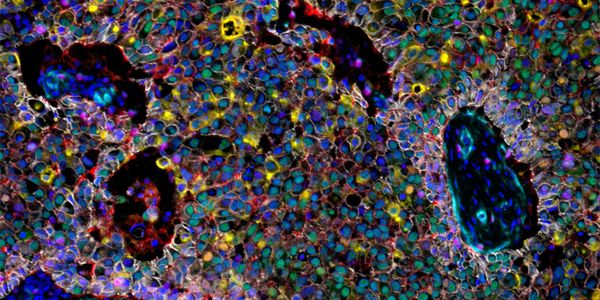
Advancements in spatial proteomic workflows, featuring enzyme-activated spatial amplification reagents, have revolutionized cancer research capabilities. This webinar will include an explana...
OCT 10, 2024 | 7:00 AM
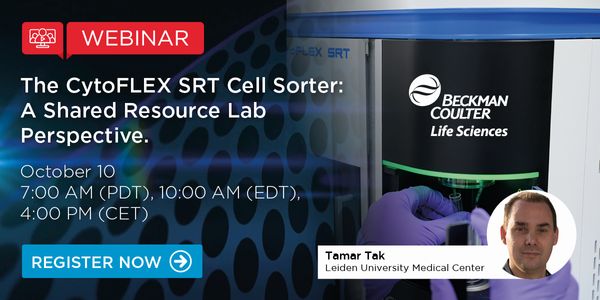
The LUMC Flow Cytometry Core Facility is a Shared Resource Lab (SRL) that currently houses 24 instruments, including 9 conventional flow cytometers, 7 spectral flow cytometers, 3 mass cytome...