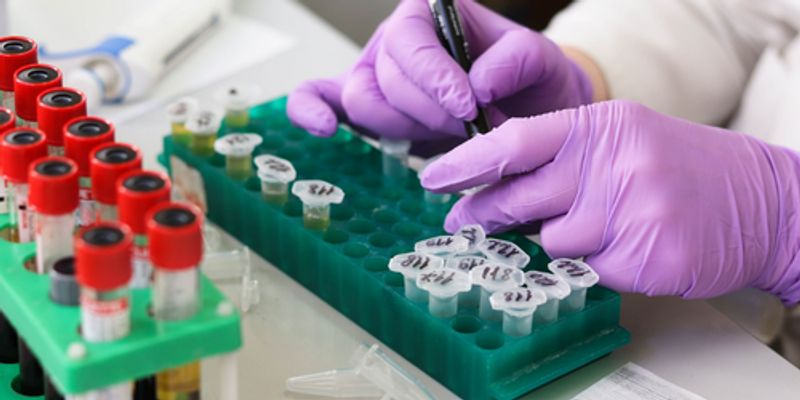
Molecular research and diagnostics are processes that take analyze DNA to identify markers or alterations that confer a disease or disorder. Testing can be performed to diagnose infectious diseases such as influenza, tuberculosis, or SARS-CoV-2.
Since the outbreak of CoVID-19 in Wuhan, China last December, the medical professional community have accumulated numerous experience that potentially will benefit other regions battling the...
The ongoing unprecedented outbreak of pneumonia caused by a novel coronavirus (SARS-CoV-2) in Wuhan, China has highlighted the necessity for readily available, accurate and rapid diagnostic...
A growing body of researchers around the world is working to mount an aggressive and sustained response to the COVID-19 pandemic. By building on past successes and harnessing insights from c...
DATE: March 31, 2020 TIME: 9:00am PT, 12:00pm ET HER2-positive breast cancer is a type of breast cancer caused by over-expression of a protein called human epidermal growth factor receptor 2...
Learning Objectives: 1. Introduce the audience to a general overview of bacterial and fungal contamination 2. Identify areas in the growing and manufacturing industries to monitor for bacter...
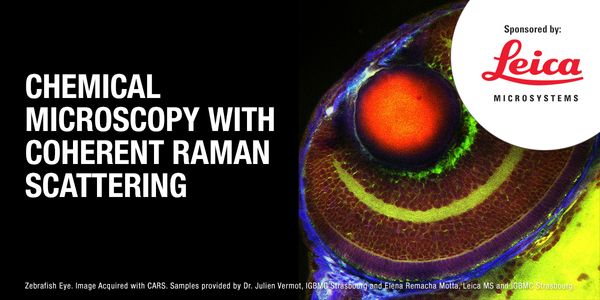
DATE: March 18, 2020 TIME: 6:30am PT, 9:30am ET Presentation: Chemical Imaging for Biomedicine: the Next Frontier of Light Microscopy Dr. Wei Min, Columbia University www.columbia.edu/cu/che...
The US Brain Research through Advancing Innovative Neurotechnologies is a research program focused on building fundamental knowledge of how brain circuits process information to enable human...
Recommendations for key factors in testing and diagnosis of H. pylori infections to include information on appropriate patients for H.pylori testing, current testing options, post treatment...
DATE: March 3, 2020 TIME: 9:00am PT, 12:00pm ET Despite the advances of new drugs and the lowering of carbapenem breakpoints to enhance detection of CRE, there should be no complacency about...
Whether you are performing killing assays, characterizing the tumor microenvironment, or investigating immunogenicity, primary cells are essential for the discovery of new therapeutics. Conc...
Digital spatial profiling (DSP) on the NanoString GeoMx platform enables high plex molecular profiling of clinical tissue samples. This new profiling strategy enables deep insights into the...
QIAGEN CLC Genomics Workbench is a powerful solution to analyze and visualize next generation sequencing (NGS) data. Powered by cutting-edge technology and accelerated algorithms, it support...
CRISPR revolutionized gene editing, but multi-target screening remains a complex goal. In addition, the fast pace of CRISPR technology development has brought sophisticated options for libra...
Recent advances in DNA sequencing and omics-based capabilities are revealing incredible therapeutic opportunities and quickly transforming drug discovery. Molecularly targeted drugs aim to e...
DATE: January 30, 2020 TIME: 9:00am PST, 12:00pm EST Recent advances in in vitro 3D cellular culture technologies, such as organoids, rapidly developed and established novel, more physiologi...
Fecal elastase-1 – a biomarker for pancreatic exocrine insufficiency(EPI) continues to gain traction as an ideal biomarker for assessing EPI. This presentation will include a review of...
The study of biological function in intact organisms and the development of targeted cellular therapeutics necessitate methods to image and control cellular function in vivo. Technologies su...
Learning Objectives: 1. Describe the exposure response relationships with vancomycin and acute kidney injury 2. Define biomarkers that may be useful to improve Precision Dosing...
“The poor translatability of early-stage preclinical models is a major setback in oncology drug development. Immortalized cell lines, that are extensively used in drug screens, undergo...
Biomarkers are critical tools for all stages of cancer research, from drug development through clinical applications. Cancer is fundamentally a disease of unregulated cell growth and circumv...
The OrganoPlate is a microtiterplate based Organ-on-a-Chip platform for high throughput drug safety and efficacy screening. It contains up to 96 cell culture chambers that allow co-culture o...
The use of primary cells in vitro is compromised by the limited quantity of cells that can be isolated from one donor, a lack of or very restricted proliferation capacity (e.g. hepatocytes)...
Since the outbreak of CoVID-19 in Wuhan, China last December, the medical professional community have accumulated numerous experience that potentially will benefit other regions battling the...
The ongoing unprecedented outbreak of pneumonia caused by a novel coronavirus (SARS-CoV-2) in Wuhan, China has highlighted the necessity for readily available, accurate and rapid diagnostic...
A growing body of researchers around the world is working to mount an aggressive and sustained response to the COVID-19 pandemic. By building on past successes and harnessing insights from c...
DATE: March 31, 2020 TIME: 9:00am PT, 12:00pm ET HER2-positive breast cancer is a type of breast cancer caused by over-expression of a protein called human epidermal growth factor receptor 2...
Learning Objectives: 1. Introduce the audience to a general overview of bacterial and fungal contamination 2. Identify areas in the growing and manufacturing industries to monitor for bacter...
DATE: March 18, 2020 TIME: 6:30am PT, 9:30am ET Presentation: Chemical Imaging for Biomedicine: the Next Frontier of Light Microscopy Dr. Wei Min, Columbia University www.columbia.edu/cu/che...
The US Brain Research through Advancing Innovative Neurotechnologies is a research program focused on building fundamental knowledge of how brain circuits process information to enable human...
Recommendations for key factors in testing and diagnosis of H. pylori infections to include information on appropriate patients for H.pylori testing, current testing options, post treatment...
DATE: March 3, 2020 TIME: 9:00am PT, 12:00pm ET Despite the advances of new drugs and the lowering of carbapenem breakpoints to enhance detection of CRE, there should be no complacency about...
Whether you are performing killing assays, characterizing the tumor microenvironment, or investigating immunogenicity, primary cells are essential for the discovery of new therapeutics. Conc...
Digital spatial profiling (DSP) on the NanoString GeoMx platform enables high plex molecular profiling of clinical tissue samples. This new profiling strategy enables deep insights into the...
QIAGEN CLC Genomics Workbench is a powerful solution to analyze and visualize next generation sequencing (NGS) data. Powered by cutting-edge technology and accelerated algorithms, it support...
CRISPR revolutionized gene editing, but multi-target screening remains a complex goal. In addition, the fast pace of CRISPR technology development has brought sophisticated options for libra...
Recent advances in DNA sequencing and omics-based capabilities are revealing incredible therapeutic opportunities and quickly transforming drug discovery. Molecularly targeted drugs aim to e...
DATE: January 30, 2020 TIME: 9:00am PST, 12:00pm EST Recent advances in in vitro 3D cellular culture technologies, such as organoids, rapidly developed and established novel, more physiologi...
Fecal elastase-1 – a biomarker for pancreatic exocrine insufficiency(EPI) continues to gain traction as an ideal biomarker for assessing EPI. This presentation will include a review of...
The study of biological function in intact organisms and the development of targeted cellular therapeutics necessitate methods to image and control cellular function in vivo. Technologies su...
Learning Objectives: 1. Describe the exposure response relationships with vancomycin and acute kidney injury 2. Define biomarkers that may be useful to improve Precision Dosing...
“The poor translatability of early-stage preclinical models is a major setback in oncology drug development. Immortalized cell lines, that are extensively used in drug screens, undergo...
Biomarkers are critical tools for all stages of cancer research, from drug development through clinical applications. Cancer is fundamentally a disease of unregulated cell growth and circumv...
The OrganoPlate is a microtiterplate based Organ-on-a-Chip platform for high throughput drug safety and efficacy screening. It contains up to 96 cell culture chambers that allow co-culture o...
The use of primary cells in vitro is compromised by the limited quantity of cells that can be isolated from one donor, a lack of or very restricted proliferation capacity (e.g. hepatocytes)...
Opens in a new windowOpens an external siteOpens an external site in a new window
 Follow