 Follow
Organoids
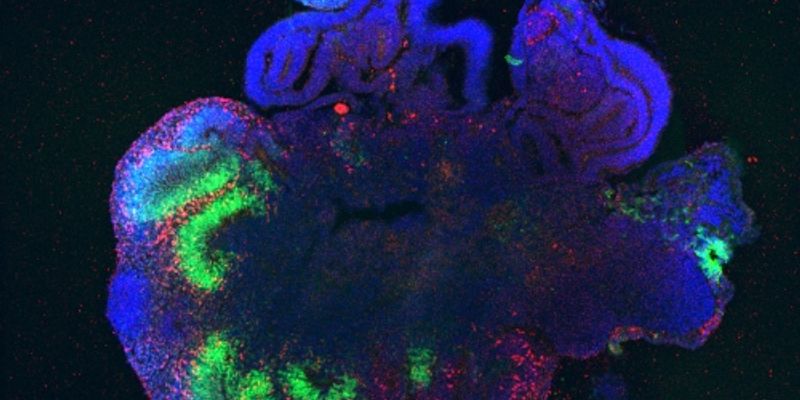
Organoids: are cell-derived in vitro 3D organ models and grant the study of biological processes, such as cell behaviour, tissue repair and response to drugs or mutations, in an environment that mimics endogenous cell organisation and organ structures.
JAN 23, 2024 | 12:00 PM

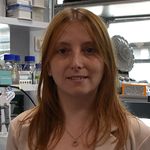
From drug discovery to organoid modeling of disease, stem cells are increasingly being used in research as a vital tool for scientific investigation. Due to the specialized nature of stem ce...
JAN 23, 2024 | 11:00 AM

The study of 3D organoids has transformed biomedical research, offering a more accurate representation of in vivo conditions. Maximizing the potential of 3D organoid research requires advanc...
JAN 23, 2024 | 10:00 AM

Organoid technologies are increasingly being used as in vitro models of human development and disease because they exhibit morphogenetic, structural and functional properties that recapitula...
NOV 14, 2023 | 9:00 PM

Spheroids and organoids, two examples of 3D cell culture models, have become invaluable tools to study the processes that dictate behavior of tissues under physiological and pathological con...
OCT 24, 2023 | 9:00 PM
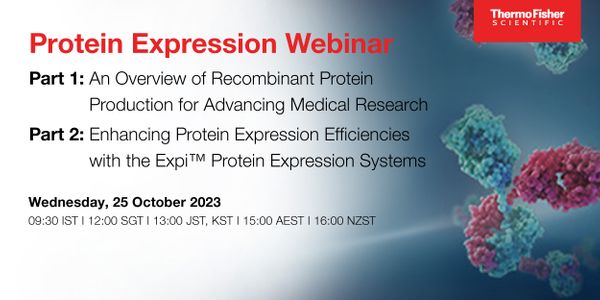
This webinar is hosted by Thermo Fisher Scientific in collaboration with the Walter and Eliza Hall Institute of Medical Research (WEHI). The webinar aims to demonstrate the benefits of the E...
OCT 24, 2023 | 8:00 AM
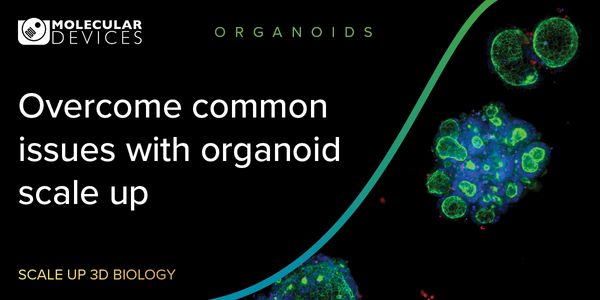
Organoids are three-dimensional (3D) multi-cellular, microtissues derived from stem cells that closely mimic the complex structure and functionality of human organs. They offer more accurate...
OCT 24, 2023 | 10:00 AM
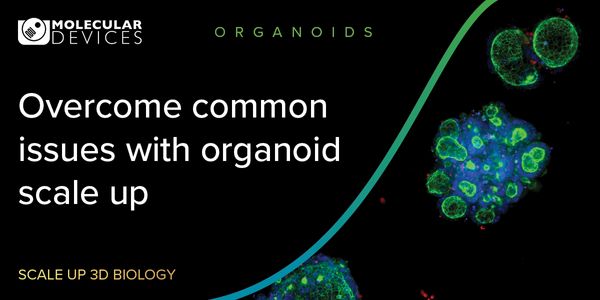
Organoids are three-dimensional (3D) multi-cellular, microtissues derived from stem cells that closely mimic the complex structure and functionality of human organs. They offer more accurate...
OCT 12, 2023 | 8:00 AM
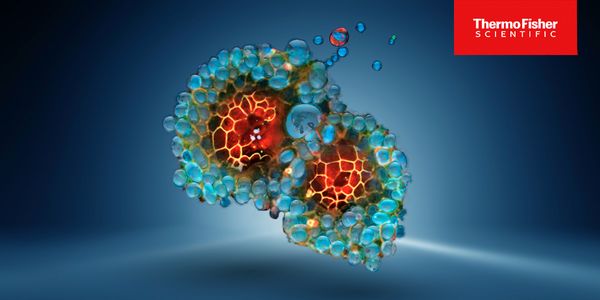
Patient-derived tumoroids, also known as cancer organoids, hold potential as cost-effective models for cancer immunotherapy research. Patient-derived tumor models, which mimic the tumor micr...
OCT 05, 2023 | 1:00 AM
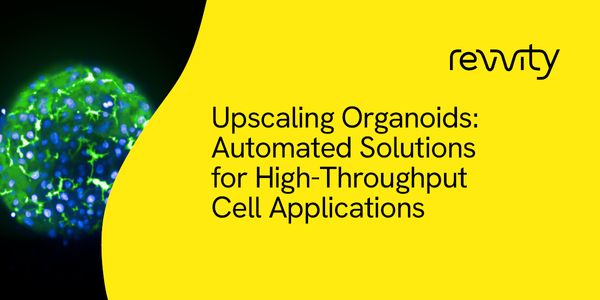
Organoids continue to gain traction in drug discovery efforts as they offer a more biologically relevant disease model than traditional approaches. But they aren't without challenges. Jo...
SEP 26, 2023 | 8:00 AM
Join us for an educational webinar that delves into the fascinating world of Extracellular Vesicles (EVs) and their impact on biomedical research and medicine. In collaboration with ExoVecto...
SEP 20, 2023 | 10:30 AM

In vitro cell models constitute a crucial step in the preclinical research. Their wide applications in basic research, toxicology, immunology......
SEP 05, 2023 | 10:30 AM
Intestinal epithelial cells lining the surface of our gastro-intestinal tract form a tight monolayer which serves as the primary barrier separating us from the luminal content of the gut. Th...
AUG 01, 2023 | 10:00 PM
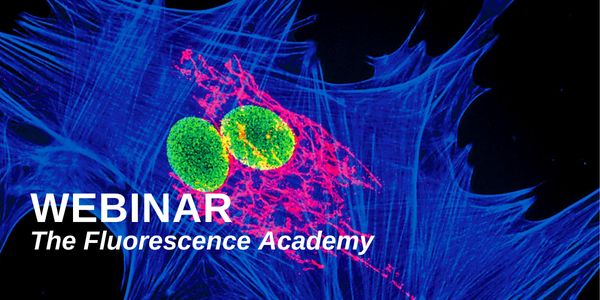
Stem cells have the capability to develop into any specialized cell type, which makes them a valuable resource in research and regenerative medicine. Differentiated stem cell models provide...
MAR 22, 2023 | 6:00 AM

Preclinical research and development are the cornerstone of modern drug discovery. A variety of biological systems including in vitro, 3D cultures, and organoids are essential tools, with ul...
DEC 07, 2022 | 9:00 AM
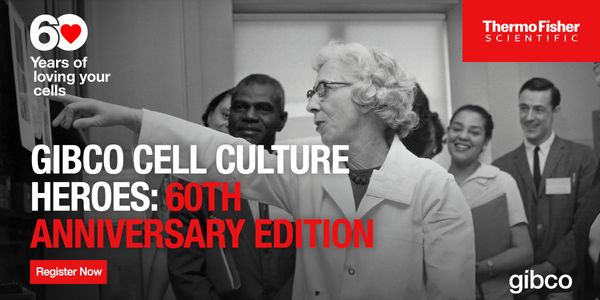
Date: December 07, 2022 Time: 9:00am (PST), 12:00pm (EST), 6:00pm (CET) Join us for an exciting live panel webinar, as we celebrate the 60th anniversary of Gibco Cell Culture. The panelists...
NOV 15, 2022 | 9:00 AM
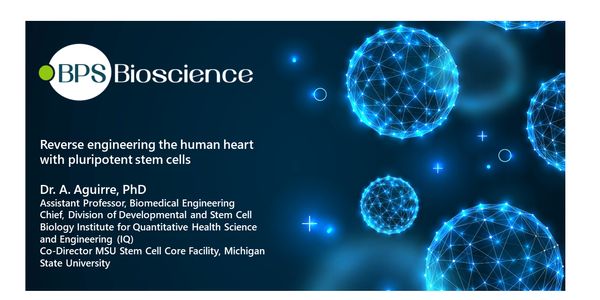
Date: November 15, 2022 Time: 9:00am (PST), 12:00pm (EST), 6:00pm (CET) Recent advances in stem cell technologies, synthetic development and organoid biology are enabling us to create more a...
OCT 24, 2023 | 9:00 PM
This webinar is hosted by Thermo Fisher Scientific in collaboration with the Walter and Eliza Hall Institute of Medical Research (WEHI). The webinar aims to demonstrate the benefits of the E...
OCT 24, 2023 | 8:00 AM
Organoids are three-dimensional (3D) multi-cellular, microtissues derived from stem cells that closely mimic the complex structure and functionality of human organs. They offer more accurate...
OCT 24, 2023 | 10:00 AM
Organoids are three-dimensional (3D) multi-cellular, microtissues derived from stem cells that closely mimic the complex structure and functionality of human organs. They offer more accurate...
OCT 12, 2023 | 8:00 AM
Patient-derived tumoroids, also known as cancer organoids, hold potential as cost-effective models for cancer immunotherapy research. Patient-derived tumor models, which mimic the tumor micr...
OCT 05, 2023 | 1:00 AM
Organoids continue to gain traction in drug discovery efforts as they offer a more biologically relevant disease model than traditional approaches. But they aren't without challenges. Jo...
SEP 26, 2023 | 8:00 AM
Join us for an educational webinar that delves into the fascinating world of Extracellular Vesicles (EVs) and their impact on biomedical research and medicine. In collaboration with ExoVecto...
SEP 20, 2023 | 10:30 AM
In vitro cell models constitute a crucial step in the preclinical research. Their wide applications in basic research, toxicology, immunology......