Technology is the science or information put into functional use to take care of issues or design helpful devices. It utilizes significantly more than logical information and incorporates values as much as realities, down to earth make information as much as hypothetical information.

Cancer is a disease of the genome, and as such, tools that can analyze the genome are instrumental in understanding the mechanisms that lead to cancer, detecting cancerous cells, and providi...
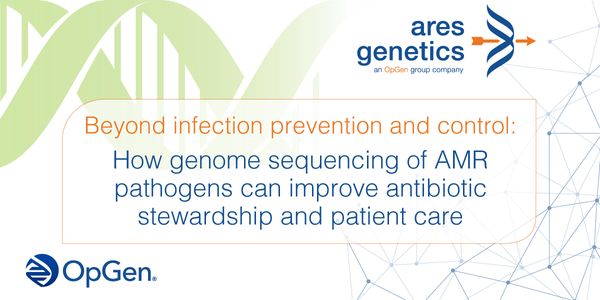
Date: April 28, 2022 Time: 9:00am (PDT), 12:00pm (EDT), 6:00pm (CET) During previous webinars we have discussed the global impact of antimicrobial resistance (AMR) infections, explored biolo...
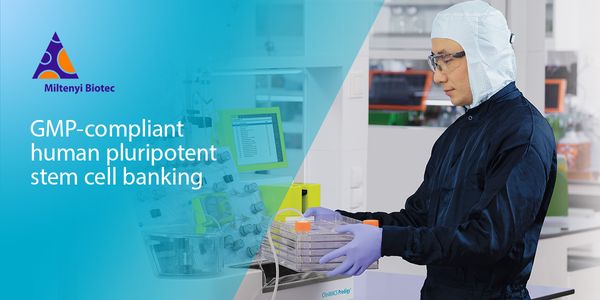
Date: April 28, 2022 Time: 8:00am (PDT), 11:00am (EDT), 5:00pm (CEST) Human pluripotent stem cells (PSCs) and their derivatives hold great potentials in...
Date: April 26, 2022 Time: 8:00am (PDT), 11:00am (EDT), 5:00pm (CEST) C-C motif chemokine receptor-like 2 (CCRL2), is a non-signaling 7TM receptor, referred to as an atypical chemokine recep...
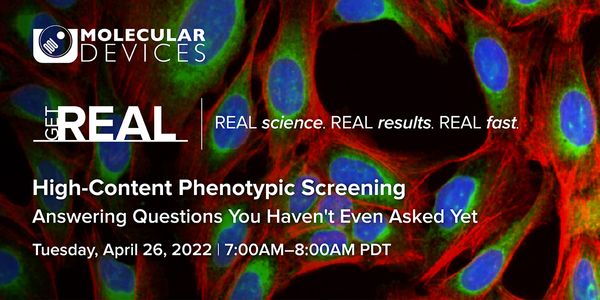
Date: April 19, 2022 Time: 7:00am (PDT), 10:00am (EDT), 4:00pm (CEST) High-content (HC) phenotypic profiling approaches are a powerful tool to study the effect of biological, genetic, and ch...
Up until now, Big Data in healthcare has failed to drive any real progress in curing disease. However, we have just now reached a cost and throughput threshold in sequencing and bioinformati...
Rapid screening and speed of scale-up in protein therapeutics are critical factors in today’s biotech and pharma workflows. The ability to swiftly develop novel therapies often depends...
Objective : Evaluation of EDTA-gel blood collection tubes from remote locations for NIPS (Non-invasive prenatal testing). Design: Paired comparisons Population: 61 pregnant women from Britis...
MicroRNAs (miRNAs) are small RNAs with an average size of 22 nucleotides that regulate gene expression through various mechanisms. During the last decade, researchers have identified over 26...

Regardless of method, single cell RNA-seq only captures a small fraction of the transcriptome of each cell. Often, this is due to inherent limitations of the methodology as reads ‘drop...
Targeted sequencing has many applications in cancer biomarker research, carrier screening and inherited disorders, drug development, mitochondrial DNA variant detection, human ID and paterni...
While early genetic diagnosis can guide critical care management, the turnaround time for whole genome based diagnostic testing is months. Recent programs in neonatal populations have reduce...
Target enrichment workflows for Next Generation Sequencing are well-established methods that enable labs to achieve relatively low sequencing costs by specifically sequencing regions of inte...
Pathogen detection and surveillance have become a high priority in both healthcare and environmental settings for the safety of patients and the general public. The COVID-19 pandemic highlig...
Infectious disease monitoring on Oxford Nanopore Technologies (ONT) platforms offers rapid turnaround times and low cost. Tracking low frequency intra-host variants provides important insigh...
The combination of the wealth of genomic and phenotypic datasets to the measurement of the circulating proteome enables a snapshot of real-time biology and important results for determining...
Recurrently emerging SARS-CoV-2 variants of concern (VOC) present increasingly sophisticated immune escape strategies that fuel global infection rates, as exemplified by the raging B.1.1.529...
The CYP2D6 enzyme metabolizes approximately 25% of commonly used pharmaceuticals and is of intense pharmacogenetic interest. Polymorphisms in CYP2D6 can alter an individual’s response...
The vast structural diversity of proteins is responsible for their functional versatility, but also makes their expression and purification a demanding task. Tagging proteins with affinity t...
Learning Objectives: 1. Explain what is gene therapy is. 2. Explain what steps are involved for getting a gene therapy product to the clinic. 3. Discuss development and manufacturing process...
There is growing interest in the development of integrated continuous bioprocesses for the production of important biotherapeutics due to the potential for enhanced productivity, greater fle...
Biopharmaceuticals produced with mammalian cells are the key drivers for the medication of former untreatable diseases. The development of their production processes is still challenging bec...
Cancer is a disease of the genome, and as such, tools that can analyze the genome are instrumental in understanding the mechanisms that lead to cancer, detecting cancerous cells, and providi...
Date: April 28, 2022 Time: 9:00am (PDT), 12:00pm (EDT), 6:00pm (CET) During previous webinars we have discussed the global impact of antimicrobial resistance (AMR) infections, explored biolo...
Date: April 28, 2022 Time: 8:00am (PDT), 11:00am (EDT), 5:00pm (CEST) Human pluripotent stem cells (PSCs) and their derivatives hold great potentials in...
Date: April 26, 2022 Time: 8:00am (PDT), 11:00am (EDT), 5:00pm (CEST) C-C motif chemokine receptor-like 2 (CCRL2), is a non-signaling 7TM receptor, referred to as an atypical chemokine recep...
Date: April 19, 2022 Time: 7:00am (PDT), 10:00am (EDT), 4:00pm (CEST) High-content (HC) phenotypic profiling approaches are a powerful tool to study the effect of biological, genetic, and ch...
Up until now, Big Data in healthcare has failed to drive any real progress in curing disease. However, we have just now reached a cost and throughput threshold in sequencing and bioinformati...
Rapid screening and speed of scale-up in protein therapeutics are critical factors in today’s biotech and pharma workflows. The ability to swiftly develop novel therapies often depends...
Objective : Evaluation of EDTA-gel blood collection tubes from remote locations for NIPS (Non-invasive prenatal testing). Design: Paired comparisons Population: 61 pregnant women from Britis...
MicroRNAs (miRNAs) are small RNAs with an average size of 22 nucleotides that regulate gene expression through various mechanisms. During the last decade, researchers have identified over 26...

Regardless of method, single cell RNA-seq only captures a small fraction of the transcriptome of each cell. Often, this is due to inherent limitations of the methodology as reads ‘drop...
Targeted sequencing has many applications in cancer biomarker research, carrier screening and inherited disorders, drug development, mitochondrial DNA variant detection, human ID and paterni...
While early genetic diagnosis can guide critical care management, the turnaround time for whole genome based diagnostic testing is months. Recent programs in neonatal populations have reduce...
Target enrichment workflows for Next Generation Sequencing are well-established methods that enable labs to achieve relatively low sequencing costs by specifically sequencing regions of inte...
Pathogen detection and surveillance have become a high priority in both healthcare and environmental settings for the safety of patients and the general public. The COVID-19 pandemic highlig...
Infectious disease monitoring on Oxford Nanopore Technologies (ONT) platforms offers rapid turnaround times and low cost. Tracking low frequency intra-host variants provides important insigh...
The combination of the wealth of genomic and phenotypic datasets to the measurement of the circulating proteome enables a snapshot of real-time biology and important results for determining...
Recurrently emerging SARS-CoV-2 variants of concern (VOC) present increasingly sophisticated immune escape strategies that fuel global infection rates, as exemplified by the raging B.1.1.529...
The CYP2D6 enzyme metabolizes approximately 25% of commonly used pharmaceuticals and is of intense pharmacogenetic interest. Polymorphisms in CYP2D6 can alter an individual’s response...
The vast structural diversity of proteins is responsible for their functional versatility, but also makes their expression and purification a demanding task. Tagging proteins with affinity t...
Learning Objectives: 1. Explain what is gene therapy is. 2. Explain what steps are involved for getting a gene therapy product to the clinic. 3. Discuss development and manufacturing process...
There is growing interest in the development of integrated continuous bioprocesses for the production of important biotherapeutics due to the potential for enhanced productivity, greater fle...
Biopharmaceuticals produced with mammalian cells are the key drivers for the medication of former untreatable diseases. The development of their production processes is still challenging bec...