Human induced pluripotent stem cells (hiPSCs) are a powerful tool for innovative approaches, such as drug discovery, in vitro disease modelling, or regenerative therapies. However, such proc...
Design of Experiments (DOE) is a powerful and pragmatic tool for optimisation but it’s not the only way. Could there be even more powerful alternatives in the age of machine learning,...
Efficient utilisation of abundant renewable sugars and aromatic chemicals by natural or recombinant microorganisms is a key prerequisite for the economic viability of biotechnological valori...
Nanovials are emerging as an accessible platform for performing single-cell functional screening leveraging standard instrumentation, such as flow cytometers and microfluidic single-cell seq...
The 21st century brought with it an unprecedented number of global and regional economic and political crises, giving rise to a new generation of conflicts in which novel technological, biol...
The practice of diagnostic pathology has gone through a disruptive transformation in which multiple tools such as digital imaging, advanced artificial intelligence algorithms, and computer-a...
Parkinson’s disease (PD) belongs the group of synucleinopathies characterized by progressive aggregation of the neuronal protein alpha-synuclein (asyn). Diagnosis and evidence of disea...
Learning Objectives: 1. Review the basic principle of 3D microscopy. 2. Recognize the pathophysiology of Parkinson disease. 3. Demonstrate knowledge on how alpha-synuclein aggregates spread...
Drug discovery programs require a robust panel of models and assays to identify and validate drug targets, support compound optimisation, and run mechanistic studies. Fully human in vitro mo...
Brain organoids are self-assembled three-dimensional cellular aggregates with cell types and tissue architectures that resemble the embryonic human brain. As they recapitulate many key featu...
Learning Objectives: 1. Summarize the benefits and challenges of current preclinical methods in drug discovery and development. 2. Review new alternative methodologies (NAMs) and microphysio...
NAFLD (non-alcoholic fatty liver disease) is a global epidemic that affects 25% of the world’s population, with its epicentre in the West. Twenty percent of NAFLD patients go on to dev...
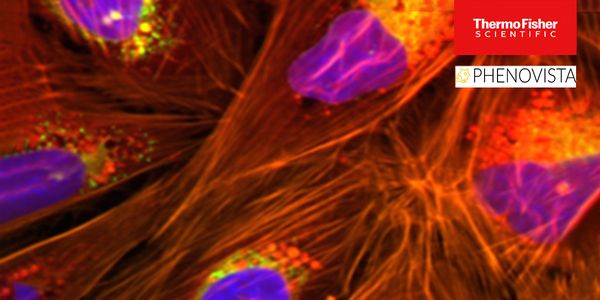
High-content screening (HCS) is an imaging-based, multi-parametric strategy used in drug development that generates rich datasets through multiplexing strategically chosen fluorescent dyes a...
The study of 3D organoids has transformed biomedical research, offering a more accurate representation of in vivo conditions. Maximizing the potential of 3D organoid research requires advanc...
Organoid technologies are increasingly being used as in vitro models of human development and disease because they exhibit morphogenetic, structural and functional properties that recapitula...
Spheroids and organoids, two examples of 3D cell culture models, have become invaluable tools to study the processes that dictate behavior of tissues under physiological and pathological con...
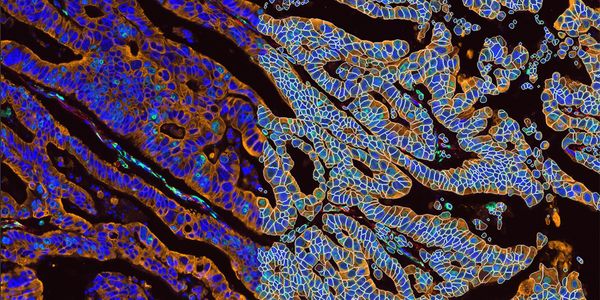
Generating Insights into tissue microenvironments is crucial to our understanding of normal and abnormal tissue development such as during cancer progression. Spatial biology methods using m...
This talk will describe the role of the clinical lab in advancing health equity. It will define the gaps in equitable access to lab testing and how that impacts patient care. We will also co...
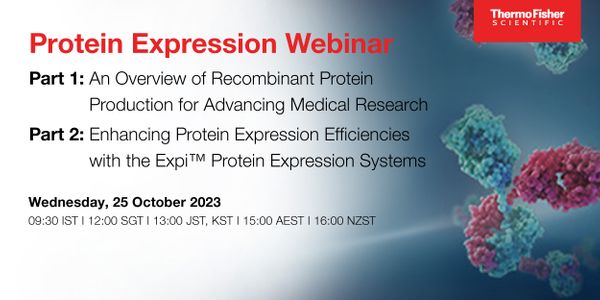
This webinar is hosted by Thermo Fisher Scientific in collaboration with the Walter and Eliza Hall Institute of Medical Research (WEHI). The webinar aims to demonstrate the benefits of the E...
Organoids are three-dimensional (3D) multi-cellular, microtissues derived from stem cells that closely mimic the complex structure and functionality of human organs. They offer more accurate...
Organoids are three-dimensional (3D) multi-cellular, microtissues derived from stem cells that closely mimic the complex structure and functionality of human organs. They offer more accurate...
Organoids continue to gain traction in drug discovery efforts as they offer a more biologically relevant disease model than traditional approaches. But they aren't without challenges. Jo...
Rapid screening and speed of scale-up in protein therapeutics are critical factors in today’s immuno-oncology workflow. The ability to swiftly develop novel therapies often depends on...
Human induced pluripotent stem cells (hiPSCs) are a powerful tool for innovative approaches, such as drug discovery, in vitro disease modelling, or regenerative therapies. However, such proc...
Design of Experiments (DOE) is a powerful and pragmatic tool for optimisation but it’s not the only way. Could there be even more powerful alternatives in the age of machine learning,...
Efficient utilisation of abundant renewable sugars and aromatic chemicals by natural or recombinant microorganisms is a key prerequisite for the economic viability of biotechnological valori...
Nanovials are emerging as an accessible platform for performing single-cell functional screening leveraging standard instrumentation, such as flow cytometers and microfluidic single-cell seq...
The 21st century brought with it an unprecedented number of global and regional economic and political crises, giving rise to a new generation of conflicts in which novel technological, biol...
The practice of diagnostic pathology has gone through a disruptive transformation in which multiple tools such as digital imaging, advanced artificial intelligence algorithms, and computer-a...
Parkinson’s disease (PD) belongs the group of synucleinopathies characterized by progressive aggregation of the neuronal protein alpha-synuclein (asyn). Diagnosis and evidence of disea...
Learning Objectives: 1. Review the basic principle of 3D microscopy. 2. Recognize the pathophysiology of Parkinson disease. 3. Demonstrate knowledge on how alpha-synuclein aggregates spread...
Drug discovery programs require a robust panel of models and assays to identify and validate drug targets, support compound optimisation, and run mechanistic studies. Fully human in vitro mo...
Brain organoids are self-assembled three-dimensional cellular aggregates with cell types and tissue architectures that resemble the embryonic human brain. As they recapitulate many key featu...
Learning Objectives: 1. Summarize the benefits and challenges of current preclinical methods in drug discovery and development. 2. Review new alternative methodologies (NAMs) and microphysio...
NAFLD (non-alcoholic fatty liver disease) is a global epidemic that affects 25% of the world’s population, with its epicentre in the West. Twenty percent of NAFLD patients go on to dev...
High-content screening (HCS) is an imaging-based, multi-parametric strategy used in drug development that generates rich datasets through multiplexing strategically chosen fluorescent dyes a...
The study of 3D organoids has transformed biomedical research, offering a more accurate representation of in vivo conditions. Maximizing the potential of 3D organoid research requires advanc...
Organoid technologies are increasingly being used as in vitro models of human development and disease because they exhibit morphogenetic, structural and functional properties that recapitula...
Spheroids and organoids, two examples of 3D cell culture models, have become invaluable tools to study the processes that dictate behavior of tissues under physiological and pathological con...
Generating Insights into tissue microenvironments is crucial to our understanding of normal and abnormal tissue development such as during cancer progression. Spatial biology methods using m...
This talk will describe the role of the clinical lab in advancing health equity. It will define the gaps in equitable access to lab testing and how that impacts patient care. We will also co...
This webinar is hosted by Thermo Fisher Scientific in collaboration with the Walter and Eliza Hall Institute of Medical Research (WEHI). The webinar aims to demonstrate the benefits of the E...
Organoids are three-dimensional (3D) multi-cellular, microtissues derived from stem cells that closely mimic the complex structure and functionality of human organs. They offer more accurate...
Organoids are three-dimensional (3D) multi-cellular, microtissues derived from stem cells that closely mimic the complex structure and functionality of human organs. They offer more accurate...
Organoids continue to gain traction in drug discovery efforts as they offer a more biologically relevant disease model than traditional approaches. But they aren't without challenges. Jo...
Rapid screening and speed of scale-up in protein therapeutics are critical factors in today’s immuno-oncology workflow. The ability to swiftly develop novel therapies often depends on...

 Follow