 Follow
Cancer Treatment
Cancer Treatment: are treatments that may include surgery, chemotherapy, and radiation therapy. If your cancer is particularly sensitive to radiation therapy or chemotherapy, you may receive one of those therapies as your primary treatment. Adjuvant treatment.

OCT 03, 2023 | 7:30 AM

Immuno-oncology (IO) is a type of cancer treatment that uses the body's immune system to fight cancer. It works by stimulating the immune system to recognize and attack cancer cells, while le...
SEP 28, 2023 | 7:00 AM
Webinars will be available for unlimited on-demand viewing after live event. Labroots is approved as a provider of continuing education programs in the clinical laboratory sciences by the AS...
SEP 26, 2023 | 8:00 AM
Join us for an educational webinar that delves into the fascinating world of Extracellular Vesicles (EVs) and their impact on biomedical research and medicine. In collaboration with ExoVecto...
JUL 20, 2023 | 8:00 AM
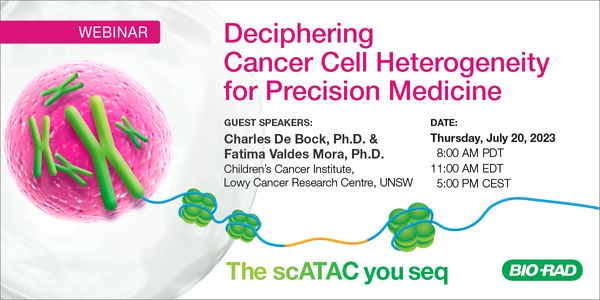
Single-cell ATAC-seq (Assay for Transposase-Accessible Chromatin using sequencing, scATAC-seq) is a relatively new and powerful technique that allows researchers to identify open chromatin r...
JUL 18, 2023 2:00 PM EDT

Worldwide gastric cancer is the 5th most common cancer and the 4th leading cause of cancer deaths. Its highest incidence rates are in east Asia and eastern Europe with low incidence rates in...
July 18, 2023 12:30PM EDT

Lung cancer is still responsible for most cancer-related deaths for both genders in the United States. Traditionally, diagnosis and management of patients has been based on tissue biopsy to...
JUN 27, 2023 | 11:00 AM
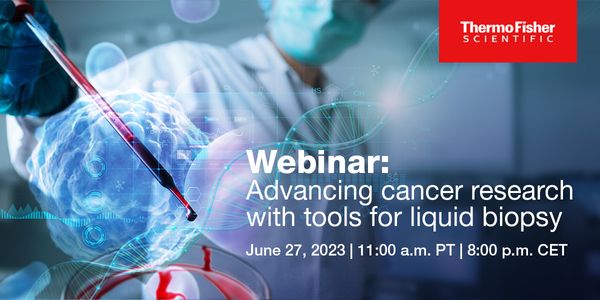
Cancer is a leading cause of death worldwide, accounting for nearly 10 million deaths in 2020, or nearly one in six deaths, according to the World Health Organization. Many cancers can be cu...
JUN 13, 2023 | 8:00 AM
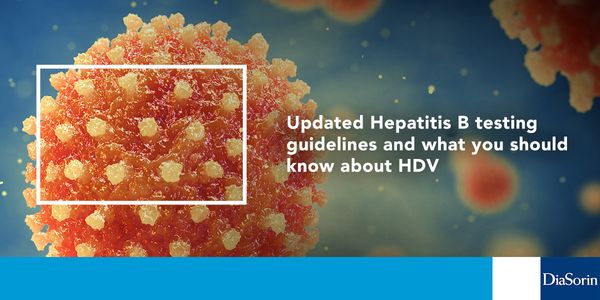
1. HBV 5 Line Guideline (Proposed): • Test all adults for Hepatitis B with the triple panel: HBsAg, Anti HBc total, Anti HBs • Vaccinate all adults for HBV who are HBV triple panel...
MAY 24, 2023 | 8:00 AM
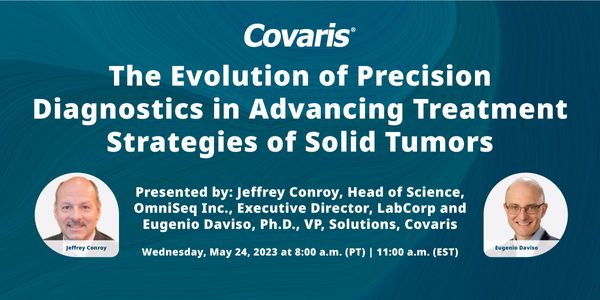
Recent advances in multi-omic approaches, including genomics, transcriptomics, and proteomics, enable a more comprehensive description of the tumor. This promises to accelerate the developme...
MAY 16, 2023 | 8:00 AM
The therapeutic use of chimeric antigen receptor T cells has achieved significant success in the treatment of B cells malignancies. Despite promising results in mouse tumor models, a similar...
MAY 16, 2023 | 5:30 AM

Accurate prediction of anticancer drug efficacy on each patient’s cancer before the initiation of therapy has the potential to significantly reduce the treatment burden and enhance cli...
APR 25, 2023 | 8:00 AM
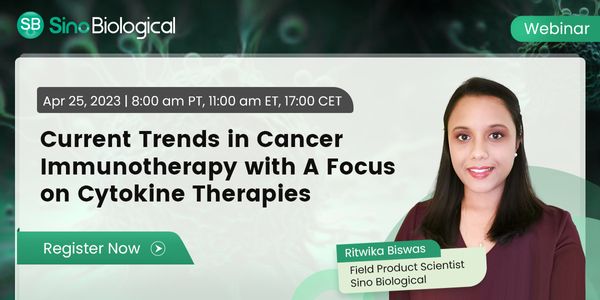
Date: April 25, 2023 Time: 8:00am (PDT), 11:00am (EDT), 5:00pm (CEST) Several promising immunotherapies have emerged in recent decades due to advances in cancer immunology. The paradigm o...
MAR 30, 2023 | 8:00 AM
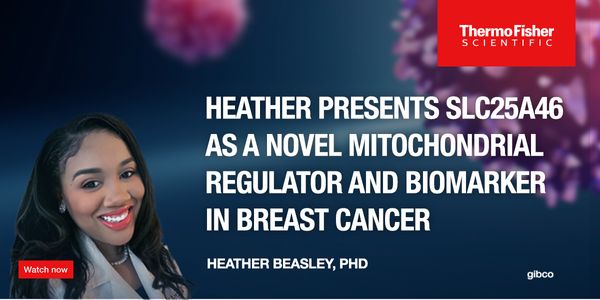
Date: March 30, 2023 Time: 8:00am (PST), 11:00am (EST), 5:00pm (CET) Join the Gibco Cell Culture Heroes webinar featuring Heather Beasley, PhD as she presents "SLC25A46 as a Novel Mitoc...
MAR 30, 2023 | 1:00 PM
The circulating T-cell receptor (TCR) repertoire is a dynamic representation of overall immune responses in an individual. Here we aimed to correlate pre-treatment circulating TCR repertoire...
MAR 30, 2023 | 1:00 PM
The circulating T-cell receptor (TCR) repertoire is a dynamic representation of overall immune responses in an individual. Here we aimed to correlate pre-treatment circulating TCR repertoire...
MAR 30, 2023 | 12:25 PM

Next-generation sequencing can detect multiple driver oncogenes simultaneously, enabling the analysis of limited amounts of biopsied tissue samples. . Druggable driver mutations cover more t...