Therapeutics: In medicine, the branch that deals specifically with the treatment of disease and the art and science of healing. Exercise, diet, and mental factors are therefore integral to the prevention, as well as the management, of disease processes. More specific measures that are employed to treat specific symptoms include the use of drugs to relieve pain or treat infection, surgery to remove diseased tissue or replace poorly functioning or nonfunctioning organs with fully operating ones, and counseling or psychotherapy to relieve emotional distress.
Across the entire spectrum of the life sciences sector, from academia and hospitals to pharmaceutical and biotech companies, enormous amounts of resources are invested in the development of...
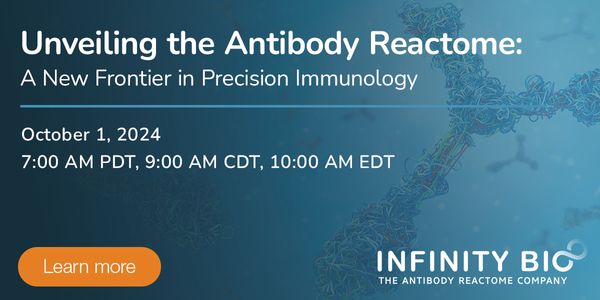
The human antibody repertoire, or reactome, is a vast and dynamic network of antibody-antigen interactions that plays a crucial role in health and disease. Understanding the complexity of th...
The disposition of antibody-based therapeutics is generally determined by both target-mediated and non-target processes, the latter being an often-overlooked aspect. Target-independent liabi...
One of the primary limitations in drug discovery and toxicology research is the lack of good model systems between the single cell level and animal or human systems. This is especially true...
The most common forms of pediatric tumors are acute leukemia (33%), brain tumors (25%), and lymphomas (15%). Diagnosing these tumors utilizes various tests, including those performed by a pa...
Transmembrane proteins (TPs) serve as crucial conduits between the internal and external environments of cells, regulating ion and molecule passage and orchestrating cellular responses to ex...
Cancer genome alterations that cause cancer cells to grow also confer vulnerabilities, which normal cells lack. The challenge is that, for the majority of cancers, we do not understand the r...
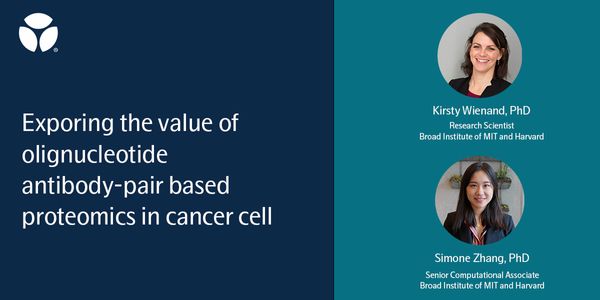
Oligonucleotide therapeutics have emerged as a promising novel class of drugs to treat a wide range of diseases. The development of these therapeutics relies on the proper use of chemical bu...
In this webinar we will provide an overview of RNAscope™ ISH technology, then discuss our new RNAscope multiomic applications coming soon. RNAscope is the gold standard for RNA ISH -pr...
Cell-based therapeutics show immense promise in treating a variety of currently incurable diseases due to their potent mechanisms. However, despite recent successes, challenges persist in ma...
The recognition of mRNA molecules as a transformative class of therapeutic drugs has soared, particularly with the development of COVID 19 mRNA vaccines. The cancer treatment landscape is si...
This presentation looks at the dynamic landscape of therapeutic antibody development, focusing on next-generation immuno-oncology therapeutics that target checkpoint inhibitors and incorpora...
Genetics may influence experience with cannabis and CBD. With increased access to legal cannabis and the research community expanding their focus on the medicinal uses of cannabinoids, more...
Cultured mammalian cells, particularly Chinese hamster ovary (CHO) cells are widely used in the biotechnology industry for production of a wide range of therapeutics, predominantly monoclona...
Self-removing affinity tags have the potential to greatly accelerate the development of new therapeutics, while providing a potentially enabling manufacturing platform for non-mAb therapeuti...
Nanoparticle mRNA Therapeutics has been the focus of intense research driven by the safety profile and several clinical breakthroughs. As of March 2024, there are two mRNA vaccines approved...
Cellular and gene-based therapeutic approaches are the future of medicine for many conditions. As the CGT field expands and deepens, the need for consistent and reliable partners becomes cri...
NAFLD (non-alcoholic fatty liver disease) is a global epidemic that affects 25% of the world’s population, with its epicentre in the West. Twenty percent of NAFLD patients go on to dev...
Proliferation biomarkers are proteins that are up-regulated in growing cells. Immunological staining of tumor tissue can provide an indication of the aggressivity of the tumor and provide in...
The study of a single cell, the fundamental unit of our complex bodies, has become an important field in cellular biology, and researchers are using single-cell analysis to shed new light on...
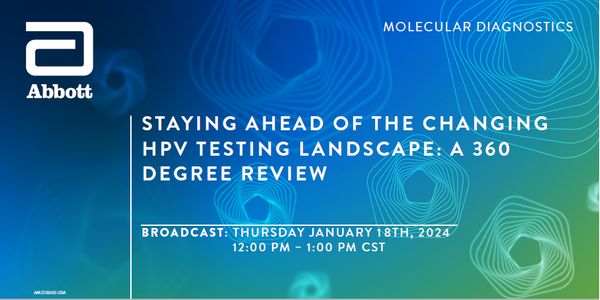
In 2020, American Cancer Society released an updated cervical cancer screening guideline calling for primary human papillomavirus (HPV) screening as the preferred strategy. Utility of HPV pr...
Embryonic epicardium is crucial for normal heart morphogenesis. The tissue originates from the proepicardial organ, with cells migrating to form the outer mesothelial layer, giving rise to n...
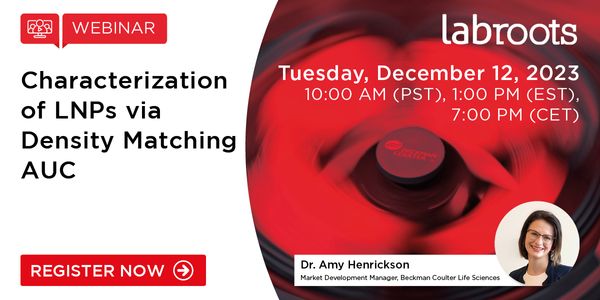
Determining the purity of LNPs loaded with nucleic acids can be challenging due to their size heterogeneity. Here, we present analytical ultracentrifugation (AUC) methods that use multiwavel...
Change in the lab is inevitable. Skilled labor shortages. Ongoing lab space consolidation and build-outs. Rapidly changing workflows and instrument layouts. Innovations in instrument technol...
Across the entire spectrum of the life sciences sector, from academia and hospitals to pharmaceutical and biotech companies, enormous amounts of resources are invested in the development of...
The human antibody repertoire, or reactome, is a vast and dynamic network of antibody-antigen interactions that plays a crucial role in health and disease. Understanding the complexity of th...
The disposition of antibody-based therapeutics is generally determined by both target-mediated and non-target processes, the latter being an often-overlooked aspect. Target-independent liabi...
One of the primary limitations in drug discovery and toxicology research is the lack of good model systems between the single cell level and animal or human systems. This is especially true...
The most common forms of pediatric tumors are acute leukemia (33%), brain tumors (25%), and lymphomas (15%). Diagnosing these tumors utilizes various tests, including those performed by a pa...
Transmembrane proteins (TPs) serve as crucial conduits between the internal and external environments of cells, regulating ion and molecule passage and orchestrating cellular responses to ex...
Cancer genome alterations that cause cancer cells to grow also confer vulnerabilities, which normal cells lack. The challenge is that, for the majority of cancers, we do not understand the r...
Oligonucleotide therapeutics have emerged as a promising novel class of drugs to treat a wide range of diseases. The development of these therapeutics relies on the proper use of chemical bu...
In this webinar we will provide an overview of RNAscope™ ISH technology, then discuss our new RNAscope multiomic applications coming soon. RNAscope is the gold standard for RNA ISH -pr...
Cell-based therapeutics show immense promise in treating a variety of currently incurable diseases due to their potent mechanisms. However, despite recent successes, challenges persist in ma...
The recognition of mRNA molecules as a transformative class of therapeutic drugs has soared, particularly with the development of COVID 19 mRNA vaccines. The cancer treatment landscape is si...
This presentation looks at the dynamic landscape of therapeutic antibody development, focusing on next-generation immuno-oncology therapeutics that target checkpoint inhibitors and incorpora...
Genetics may influence experience with cannabis and CBD. With increased access to legal cannabis and the research community expanding their focus on the medicinal uses of cannabinoids, more...
Cultured mammalian cells, particularly Chinese hamster ovary (CHO) cells are widely used in the biotechnology industry for production of a wide range of therapeutics, predominantly monoclona...
Self-removing affinity tags have the potential to greatly accelerate the development of new therapeutics, while providing a potentially enabling manufacturing platform for non-mAb therapeuti...
Nanoparticle mRNA Therapeutics has been the focus of intense research driven by the safety profile and several clinical breakthroughs. As of March 2024, there are two mRNA vaccines approved...
Cellular and gene-based therapeutic approaches are the future of medicine for many conditions. As the CGT field expands and deepens, the need for consistent and reliable partners becomes cri...
NAFLD (non-alcoholic fatty liver disease) is a global epidemic that affects 25% of the world’s population, with its epicentre in the West. Twenty percent of NAFLD patients go on to dev...
Proliferation biomarkers are proteins that are up-regulated in growing cells. Immunological staining of tumor tissue can provide an indication of the aggressivity of the tumor and provide in...
The study of a single cell, the fundamental unit of our complex bodies, has become an important field in cellular biology, and researchers are using single-cell analysis to shed new light on...
In 2020, American Cancer Society released an updated cervical cancer screening guideline calling for primary human papillomavirus (HPV) screening as the preferred strategy. Utility of HPV pr...
Embryonic epicardium is crucial for normal heart morphogenesis. The tissue originates from the proepicardial organ, with cells migrating to form the outer mesothelial layer, giving rise to n...
Determining the purity of LNPs loaded with nucleic acids can be challenging due to their size heterogeneity. Here, we present analytical ultracentrifugation (AUC) methods that use multiwavel...
Change in the lab is inevitable. Skilled labor shortages. Ongoing lab space consolidation and build-outs. Rapidly changing workflows and instrument layouts. Innovations in instrument technol...

 Follow