 Follow
Biology
Biology: the study of living organisms, divided into many specialized fields that cover their morphology, physiology, anatomy, behavior, origin, and distribution. This includes plants, animals, and other qualities of organisms or class of organisms.


OCT 16, 2013 | 6:00 AM

The knowledge of molecular alterations involved in colon carcinoma (CRC) and non-small-cell lung carcinoma (NSCLC) has significantly increased in the past few years. Molecular subgroups of t...
AUG 22, 2013 | 5:00 PM
C.E. CREDITS
Malignancies caused by so-called Type I chemical and biological carcinogens provide important opportunities studying early events in cancer development, providing essential information for de...
AUG 22, 2013 | 4:00 PM
C.E. CREDITS

The next generation sequencing technologies are profoundly influencing our way to study biology. We have previously developed cap-analysis gene expression (CAGE) to simultaneously mRNA/noncod...
AUG 22, 2013 | 3:00 PM

Developments in DNA sequencing technology have provided a unique opportunity for diagnosis and discovery of genetic alterations for rare diseases. Partnering with 20 academic centers in the U...
AUG 22, 2013 | 3:00 PM
C.E. CREDITS

The use of ultrahigh throughput diagnostic tests that determine genetic sequence variation to guide patient care is rapidly expanding, fueled by the enormous growth in sequencing platform dev...
AUG 22, 2013 | 2:00 PM

The role of the human genome in normal and patho-biology is crucial. Applied in cancer care and in a variety of unknown disorder settings, it can provide key insights and crucial diagnostic/p...
AUG 22, 2013 | 2:00 PM

Since the introduction of second-generation DNS sequencing technologies in 2007, the cost of genome sequencing has been consistently by 33% per quarter, with the $1000 genome arriving in 2012...
AUG 22, 2013 | 1:00 PM

MicroRNAs are short non-coding cellular regulators of gene expression. Each microRNA controls the expression of a large set of genes, and microRNAs collectively, may regulate more than half o...
AUG 22, 2013 | 11:00 AM
C.E. CREDITS
I will describe recent advances in computational protein design which allow the generation of new protein structures and functions. I will describe the use of these methods to design ultra-st...
AUG 22, 2013 | 9:00 AM
C.E. CREDITS

During IVF procedures pre-implantation genetic diagnosis (PGD) allows for genetic profiling of embryos prior to replacement. Most PGD procedures during IVF are performed to select chromosomal...
AUG 22, 2013 | 8:00 AM
Synthesis and assembly of DNA powerfully enables reverse genetics-based approaches to scientific discovery. I'll present recent and unpublished work on genome refactoring and redesign, focusi...
AUG 22, 2013 | 7:00 AM
C.E. CREDITS
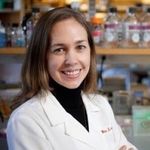
Cancer cells are characterized by major alterations in both cellular metabolism and epigenetic profiles. Current understanding of links between metabolism and chromatin in the context of canc...
AUG 21, 2013 | 5:00 PM

Dr Ivan Brukner entered into genomic era back in 1989 (ex-Yugoslavia), trying to describe and solve repeating sequence "branching motif problem" in building whole genome sequence. Next 5-10...
AUG 21, 2013 | 4:00 PM
C.E. CREDITS

High throughput transcriptomic analyses have shown that most of the human genome is dynamically transcribed to produce an extraordinary range of overlapping and interlacing intronic, intergen...
AUG 21, 2013 | 4:00 PM
C.E. CREDITS
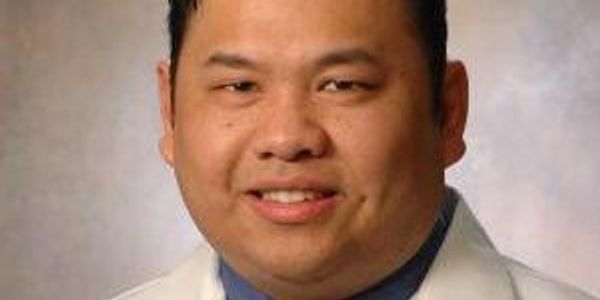
The goal of personalized medicine is to customize healthcare to the individual patient. Pharmacogenomics, the analysis of how a patient's genetic makeup affects the individual's response to c...
AUG 21, 2013 | 3:00 PM
C.E. CREDITS

The remarkable diversity we see between different cell types in the human body is governed by the specificity attained through transcriptional and epigenetic regulatory programs. Cancer is a...
AUG 21, 2013 | 2:00 PM
C.E. CREDITS

The human species is particularly prone to chromosome segregation errors during maternal meiosis in the egg and during post zygotic mitosis in the preimplantation embryo. In fact, aneuploidy...
AUG 21, 2013 | 2:00 PM
C.E. CREDITS

Aging is the major risk for diseases such as cancer, AD, type 2 Diabetes mellitus and cardiovascular disease. We hypothesize that a progress in preventing these diseases will occur only if we...
AUG 21, 2013 | 1:00 PM
C.E. CREDITS

In addition to the exciting promise that genome sequencing holds, concerns are also often described. These concerns relate to: privacy/confidentiality of findings; impact of findings on insur...
AUG 21, 2013 | 1:00 PM

Cervical cancer screening has evolved significantly since the PAP smear was introduced in 1949. In particular, the association with human papillomavirus (HPV) infection and the mechanism of H...
AUG 21, 2013 | 12:00 PM
C.E. CREDITS

Susceptibility to coronary artery disease (CAD) is claimed to be 40% to 60% inherited, but until recently genetic risk factors predisposing to CAD have been elusive. Comprehensive prevention...
AUG 21, 2013 | 5:00 PM
Dr Ivan Brukner entered into genomic era back in 1989 (ex-Yugoslavia), trying to describe and solve repeating sequence "branching motif problem" in building whole genome sequence. Next 5-10...
AUG 21, 2013 | 4:00 PM
C.E. CREDITS
High throughput transcriptomic analyses have shown that most of the human genome is dynamically transcribed to produce an extraordinary range of overlapping and interlacing intronic, intergen...
AUG 21, 2013 | 4:00 PM
C.E. CREDITS
The goal of personalized medicine is to customize healthcare to the individual patient. Pharmacogenomics, the analysis of how a patient's genetic makeup affects the individual's response to c...
AUG 21, 2013 | 3:00 PM
C.E. CREDITS
The remarkable diversity we see between different cell types in the human body is governed by the specificity attained through transcriptional and epigenetic regulatory programs. Cancer is a...
AUG 21, 2013 | 2:00 PM
C.E. CREDITS
The human species is particularly prone to chromosome segregation errors during maternal meiosis in the egg and during post zygotic mitosis in the preimplantation embryo. In fact, aneuploidy...
AUG 21, 2013 | 2:00 PM
C.E. CREDITS
Aging is the major risk for diseases such as cancer, AD, type 2 Diabetes mellitus and cardiovascular disease. We hypothesize that a progress in preventing these diseases will occur only if we...
AUG 21, 2013 | 1:00 PM
C.E. CREDITS
In addition to the exciting promise that genome sequencing holds, concerns are also often described. These concerns relate to: privacy/confidentiality of findings; impact of findings on insur...
AUG 21, 2013 | 1:00 PM
Cervical cancer screening has evolved significantly since the PAP smear was introduced in 1949. In particular, the association with human papillomavirus (HPV) infection and the mechanism of H...
AUG 21, 2013 | 12:00 PM
C.E. CREDITS
Susceptibility to coronary artery disease (CAD) is claimed to be 40% to 60% inherited, but until recently genetic risk factors predisposing to CAD have been elusive. Comprehensive prevention...