 Follow
Blood
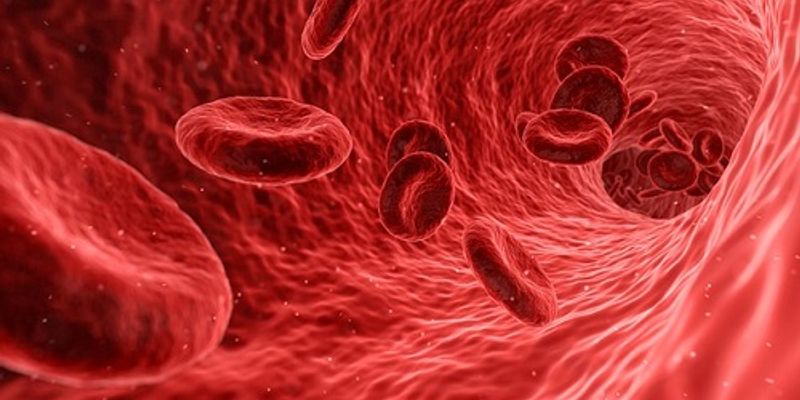
Blood: The familiar red fluid in the body that contains white and red blood cells, platelets, proteins, and other elements. The blood is transported throughout the body by the circulatory system. Blood functions in two directions: arterial and venous. Arterial blood is the means by which oxygen and nutrients are transported to tissues while venous blood is the means by which carbon dioxide and metabolic by-products are transported to the lungs and kidneys, respectively, for removal from the body.

SEP 06, 2023 | 7:30 AM

Emerging viruses like SARS, SARS-CoV-2, MERS-CoV, Hendra, Nipah, West Nile, sin nombre, LuJo, MERS, Powassan, dengue, chikungunya, zika, Ebola, and Marburg pose a growing threat to public he...
On-Demand

The encapsulated fungus Cryptococcus neoformans is the most common cause of fungal meningitis, with the highest rate of cryptococcosis found in AIDS patients. Despite antifungal treatment, c...
On-Demand

Malaria is a life-threatening disease that is caused by unicellular eukaryotic parasites of the genus Plasmodium, with P. falciparum being responsible for the most severe form of human malar...
JUL 26, 2023 | 3:10 PM

Cell-based immunotherapy has become the new-generation cancer medicine, and “off-the-shelf” cell products that can be manufactured at large scale and distributed readily to treat...
JUL 26, 2023 | 1:50 PM

The use of adeno-associated viruses (AAV) as gene delivery vectors has vast potential for the treatment of many severe human diseases. A small group of intensively studied AAV capsids have b...
JUL 20, 2023 | 8:00 AM
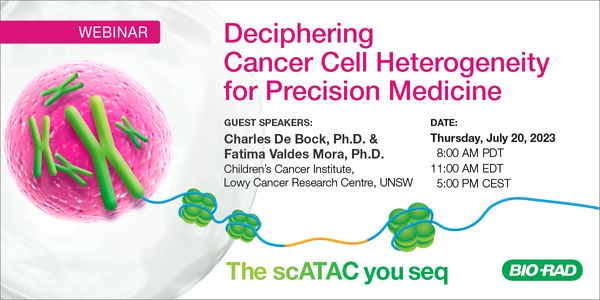
Single-cell ATAC-seq (Assay for Transposase-Accessible Chromatin using sequencing, scATAC-seq) is a relatively new and powerful technique that allows researchers to identify open chromatin r...
JUN 15, 2023 | 7:00 AM
Liquid biopsies represent a transformation in the management of cancer as they have the potential to detect, characterize, and monitor cancers earlier than can be achieved with conventional...
MAY 31, 2023 | 10:00 AM
Date: May 31, 2023 Time: 10:00am (PDT), 1:00pm (EDT), 5:00pm (CEST) Bloodstream infections (BSIs) are defined as a systemic infection resulting from the presence of viable microorganisms in...
MAY 16, 2023 | 5:30 AM

Learning Objectives: 1. Discover how Genetics is not the major determinant of chronic diseases and cancers; human microbiome and nutrition heavily contribute to their onset and progression....
MAY 16, 2023 | 5:30 AM

Accurate prediction of anticancer drug efficacy on each patient’s cancer before the initiation of therapy has the potential to significantly reduce the treatment burden and enhance cli...