 Follow
Cell
Cell: is the smallest structural and functional unit of an organism, typically microscopic and consisting of cytoplasm and a nucleus enclosed in a membrane. Microscopic organisms typically consist of a single cell, which is either eukaryotic or prokaryotic.

JUN 29, 2023 | 7:55 PM
RNA interference (RNAi) offers a fast and easy system to study gene functions. However, the traditionally used small interfering RNAs (siRNAs) can exhibit pronounced and problematic off-targ...
JUN 28, 2023 | 8:00 AM
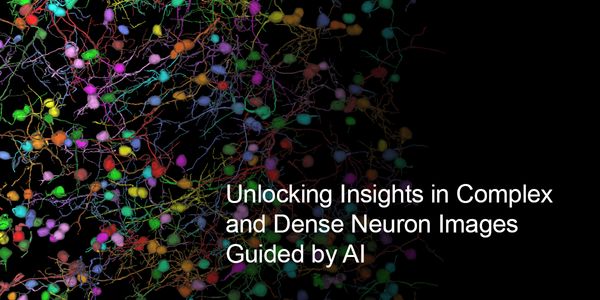
3D morphological analysis of neurons often requires using different imaging modalities, capturing multiple types of neurons and inspecting neurons in a range of densities. These complexities...
JUN 27, 2023 | 11:00 AM
Cancer is a leading cause of death worldwide, accounting for nearly 10 million deaths in 2020, or nearly one in six deaths, according to the World Health Organization. Many cancers can be cu...
JUN 27, 2023 | 8:00 AM
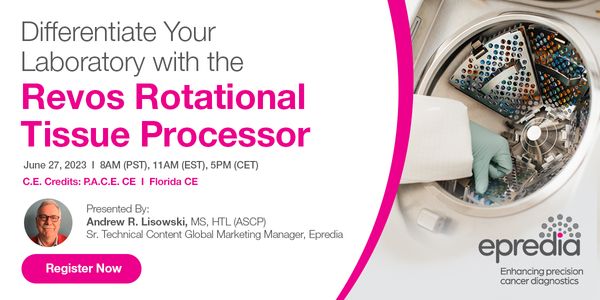
Quality sample preparation is fundamental to the analytical process. Tissue Processing is the most complex and one of the longest step in the histology workflow. The quality of the processed...
JUN 20, 2023 | 10:00 AM
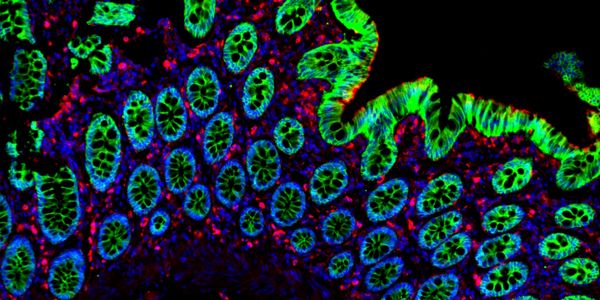
Spatial biology enables researchers to characterize combined molecular information and spatial...
JUN 15, 2023 | 8:00 AM
ELISA (Enzyme-Linked Immunosorbent Assay) is a powerful and well-established method that enables researchers to detect and quantify a wide range of soluble substances, such as peptides, prot...
JUN 15, 2023 | 7:00 AM
Liquid biopsies represent a transformation in the management of cancer as they have the potential to detect, characterize, and monitor cancers earlier than can be achieved with conventional...
JUN 15, 2023 | 10:00 AM
Insights gained from studies using genome editing tools can provide a better understanding of cellular physiology, so that we can uncover answers to complex diseases and ultimately develop t...
JUN 14, 2023 | 8:00 AM
Insights gained from studies using genome editing tools can provide a better understanding of cellular physiology, so that we can uncover answers to complex diseases and ultimately develop t...
JUN 13, 2023 | 10:00 AM
Achieving consistent AAV quantification with the QuantStudio Absolute Q AutoRun dPCR Suite Accurate quantification of AAV vectors is crucial for quality control and timely decision-making du...
JUN 08, 2023 | 9:00 AM
In the emergency department, distinguishing between bacterial and viral infections can be challenging, leading to inappropriate use of antibiotics that may contribute to the development of b...
JUN 07, 2023 | 9:00 AM
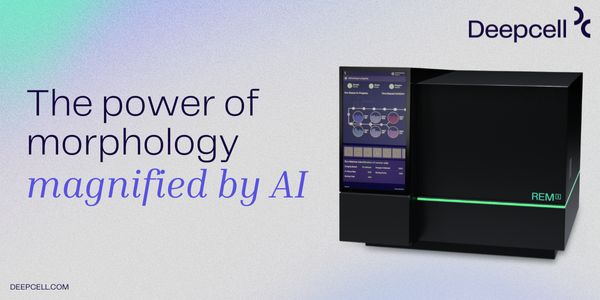
Join us for an introduction to the Deepcell Platform, an instrument that combines advances in high-resolution imaging, deep learning foundation models to illuminate morphology in all its dim...
JUN 06, 2023 | 9:00 AM
Transmission electron microscopy reveals the architecture of cells at nanometer resolution, but chemical fixation severely warps their native structure. The true ultrastructure of cells can...
MAY 31, 2023 | 11:00 AM
Date: May 31, 2023 Time: 11:00am (PDT), 2:00pm (EDT), 8:00pm (CET) Single-cell genomics has facilitated the understanding of mechanisms involved in various biological processes such as tumor...
MAY 25, 2023 | 10:00 AM

Free light chains, kappa (κ) lambda (λ), are produced by plasma cells and known to be an important marker in patients with Multiple Myeloma and AL Amyloidosis. The precursor con...
MAY 18, 2023 | 10:30 AM

Characterization of rare cells remains a major challenge for the evaluation and understanding of key biological systems, such as circulating tumor cells (CTCs) from liquid biopsy, stem cells...
MAY 18, 2023 | 9:00 AM
Date: May 18, 2023 Time: 9:00am (PDT), 12:00pm (EDT), 6:00pm (CEST)...
MAY 17, 2023 | 9:00 AM

Many oncology patients do not receive the most effective targeted treatments because of challenges associated with implementation of a personalized medicine approach. Despite a lengthy histo...
MAY 16, 2023 | 12:00 PM

Learning Objectives: 1. Describe alternative (non-B) DNA structures, how prevalent are they and what are their biological implications? 2. Explain why non-B DNA structures might be relevant...
MAY 16, 2023 | 8:00 AM
The therapeutic use of chimeric antigen receptor T cells has achieved significant success in the treatment of B cells malignancies. Despite promising results in mouse tumor models, a similar...
MAY 16, 2023 | 6:00 AM

Approximately 13% of the human genome at certain motifs have the potential to form non-canonical (non-B) DNA structures (e.g. G-quadruplexes, cruciforms, and Z-DNA), which regulate......
MAY 16, 2023 | 6:00 AM

In the field of oncology, the ability to select cells from a specific location or region within a tissue and analyze each discrete genome allows for the understanding of tumor heterogeneity....
MAY 16, 2023 | 5:30 AM

Mutations accumulate in the genome of every cell of the body throughout life, causing cancer and other genetic diseases....