 Follow
Clinical Chemistry
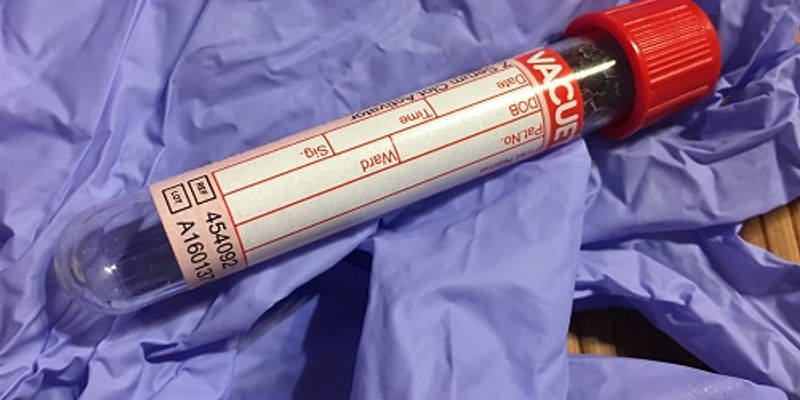
Clinical Chemistry: Clinical chemistry uses chemical processes to measure levels of chemical components in body fluids. The most common specimens tested in clinical chemistry are blood and urine. Many different tests exist to test for almost any type of chemical component in blood or urine. Components may include blood glucose, electrolytes, enzymes, hormones, lipids (fats), other metabolic substances, and proteins.

MAY 29, 2014 | 6:00 AM

Governments, pathology providers, and clients relying on pathology reports face increasing conflict between burgeoning costs versus demands for service innovation. The health industry has bee...
MAY 28, 2014 | 3:00 PM

Interest in vitamin D status remains high amongst the public and medical profession alike stimulating a surge in requests for clinical laboratories to measure patient serum 25-hydroxyvitamin...
MAY 28, 2014 | 1:30 PM

The regulation of molecular testing continues to grow in complexity, in terms of the oversight by FDA, coverage determinations by Medicare contractors, and the payment amounts established by...
MAY 28, 2014 | 1:30 PM

Blood culture contamination is a huge problem in the hospital. If strict aseptic technique is not used, patients can be treated unnecessarily, leading to complications from intravenous antimi...
MAY 28, 2014 | 10:30 AM

Traditional testing methods for monoclonal protein in Plasma Cell Dyscrasias correctly identify a majority of patients. However, limitations in these methods can cause patients to be missed...
MAY 28, 2014 | 10:30 AM

Guidelines for physicians treating pain patients with chronic opioid therapy recommend the patients be monitored for the presence of their prescribed medications. In addition, it is often rec...
MAY 28, 2014 | 10:30 AM

Early infantile rickets is the least appreciated form of this ancient disease of children. Although it is usually subclinical, the high prevalence recently reported at autopsy (87% < 1 yea...
MAY 28, 2014 | 9:00 AM

While the "Jolie effect" has refocused attention on the central role of BRCA gene analyses in the diagnosis and prevention of hereditary breast and ovarian cancer, there is a global disparity...

MAY 28, 2014 | 7:30 AM

Six-Sigma quality is defined as 3.4 (or fewer) defects per million opportunities (DPMO). Achieving Six-Sigma quality in a clinical laboratory is extremely difficult. This presentation will sh...
MAY 28, 2014 | 7:30 AM

Variability of vitamin D results remains a hot topic today as more options are available to laboratories. This webinar examines how clinical and analytical factors such as vitamin D binding...