 Follow
Fish
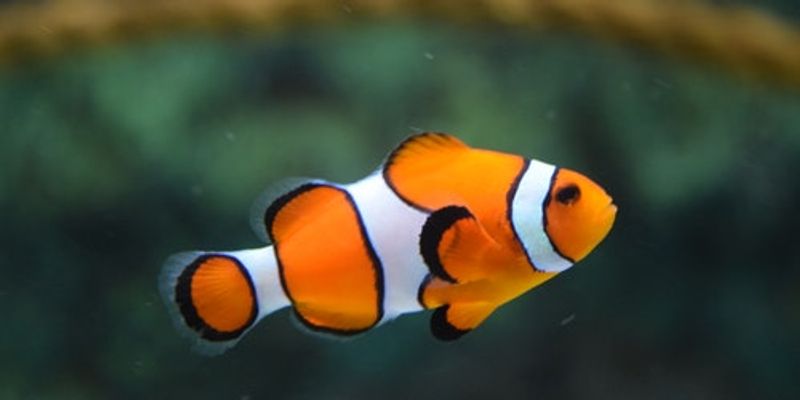
Fish: are gill-bearing aquatic craniate animals that lack limbs. They form a sister group to the tunicates, together forming the olfactores. Included in this definition are the living hagfish, lampreys, and cartilaginous and bony fish as well as various extinct related groups.

JAN 26, 2016 | 8:00 AM

DATE: January 26th, 2016
TIME: 8am pacific, 11am eastern
PTEN gene loss occurs frequently in castration-resistant prostate cancer (CRPC) and may drive progression through activation of th...
FEB 05, 2015 | 3:00 PM
C.E. CREDITS

As evidenced by the changes in the new Guide for the Care and Use of Laboratory animals and the latest AVMA Panel on Euthanasia, it is clear that there is growing concern about the care and w...
FEB 05, 2015 | 2:00 PM
C.E. CREDITS

The ability to breed zebrafish in the laboratory goes a long way in determining the success or failure a research program. The complexity of zebrafish reproductive behavior and spawning i...
FEB 05, 2015 | 7:30 AM
C.E. CREDITS

Fish are vertebrates but they are physiologically and psychologically different from mammals. This presentation will try to explain their differences from mammals and the different aspects t...
DEC 16, 2014 | 8:00 AM

Single-cell analysis is one of the most rapidly growing fields in biomedical research that is significantly expanding our understanding on the biologic characteristics of various diseases. F...
FEB 06, 2014 | 12:00 PM
C.E. CREDITS

The zebrafish, Danio rerio, is an ideal model organism to address a broad array of biomedical questions, and is now widely employed to answer questions about aging, behavior, cancer, growth,...
FEB 06, 2014 | 11:00 AM

The rise of zebrafish as a research model has been dramatic. Given the global nature of the work, the rise in shipping zebrafish as a laboratory species has been sharp. Up until this point th...
FEB 06, 2014 | 10:00 AM

A problem facing the rapid growth of zebrafish as a model for human disease is a lack of qualified personnel that understand the benefits and limitations of fish culture. As this model gains...
FEB 06, 2014 | 9:00 AM
C.E. CREDITS

As the prevalence of the use of Zebrafish as an animal model continues its ballistic growth, the need for a better understanding of the factors that add up to success is needed. Topics cover...
FEB 06, 2014 | 7:00 AM
C.E. CREDITS

The question of pain in fish has been subject to much debate and, since fish are a popular experimental model globally and commercially important in fisheries, recreational angling and aquac...
FEB 05, 2014 | 3:00 PM
C.E. CREDITS

The title of this presentation could have been Training within laboratory animal science - where we are and where we should be. While training has been the domain of facility managers for ma...