 Follow
Infection
Infection is a disease caused by a pathogenic microorganism (e.g., bacteria, viruses) able to invade tissue.

APR 28, 2022 | 9:00 AM
Date: April 28, 2022 Time: 9:00am (PDT), 12:00pm (EDT), 6:00pm (CET) During previous webinars we have discussed the global impact of antimicrobial resistance (AMR) infections, explored biolo...
APR 19, 2022 | 10:00 AM

Date: April 19, 2022 Time: 10:00am (PDT), 1:00pm (EDT), 7:00pm (CEST) Once upon a time, there were three public health labs. These labs were busy serving their states when, out of nowhere, a...
APR 19, 2022 | 6:00 AM

Pathogen detection and surveillance have become a high priority in both healthcare and environmental settings for the safety of patients and the general public. The COVID-19 pandemic highlig...
APR 19, 2022 | 5:30 AM
C.E. CREDITS

Recurrently emerging SARS-CoV-2 variants of concern (VOC) present increasingly sophisticated immune escape strategies that fuel global infection rates, as exemplified by the raging B.1.1.529...
APR 05, 2022 | 9:00 AM
Date: April 5, 2022 Time: 9:00am (PDT), 12:00pm (EDT), 6:00pm (CEST) Enteroviruses are non-enveloped positive-sense RNA viruses that cause diverse diseases...
MAR 16, 2022 | 7:00 AM
Date: March 16, 2022 Time: 07:00am (PDT), 10:00am (EDT), 4:00pm (CEDT) During this webinar, we will provide an overview of the current landscape of sepsis management and the impact of rapid...
MAR 10, 2022 | 11:55 PM

Alzheimer’s and Parkinson’s diseases (AD, PD) are the two most common neurodegenerative disorders. Despite their debilitating effects and increasing prevalence in our society, no...
MAR 10, 2022 | 11:55 PM

Several age-related neurodegenerative disorders are characterized by the deposition of aberrantly folded proteins. The histopathological hallmark of synucleinopathies is the deposition of ɑ-...
MAR 09, 2022 | 8:00 AM

Date: March 09, 2021 Time: 08:00am (PST), 11:00am (EST), 5:00pm (CEST) Bioengineering technologies hold enormous potential to solve many of our world’s pressing problems. However, they...
MAR 08, 2022 | 9:00 AM
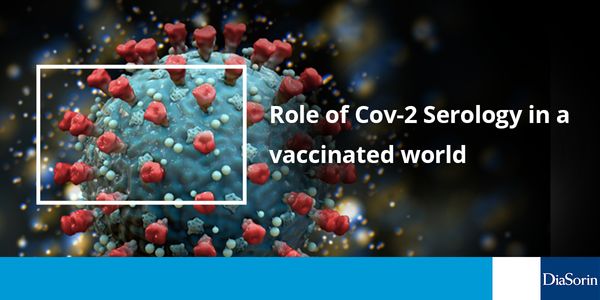
Date: March 08, 2022 Time: 9:00am (PST), 12:00pm (EST), 6:00pm (CEST) SARS-CoV-2 causes COVID-19, a potentially lethal viral infection that can cause sever...
FEB 24, 2022 | 10:00 AM

Date: February 24, 2021 Time: 10:00am (PST), 1:00pm (EST) One of the largest global public health crises is the rise of antimicrobial-resistant infections. Globally, over 700,000 people die...
FEB 23, 2022 | 9:00 AM
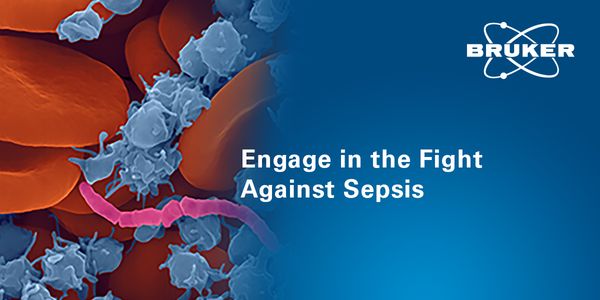
Date: February 23, 2022 Time: 09:00am (PST), 12:00pm (EST) During this webinar we will present the Lahey four-year journey of using the MBT Sepsityper® solution for the rapid identificat...
JAN 13, 2022 | 9:00 AM

Date: January 13, 2022 Time: 09:00am (PST), 12:00pm (EST) Recently, the Infectious Disease Society of America released guidance on how to approach treatment of infections caused by multidrug...
DEC 14, 2021 | 6:00 AM
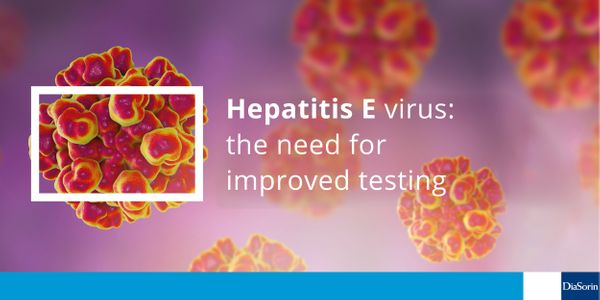
Date: December 14, 2021 Time: 6:00am (PST), 9:00am (EST) Hepatitis E virus (HEV) is a single-stranded positive-sense RNA virus and is a leading cause of acute viral hepatitis worldwide. The...
DEC 09, 2021 | 11:00 AM

Date: December 09, 2021 Time: 11:00am (PDT), 2:00pm (EDT) The burden of antimicrobial resistance (AMR) has been acknowledged worldwide by leading health institutes. Besides the need for new...
DEC 08, 2021 | 10:00 AM
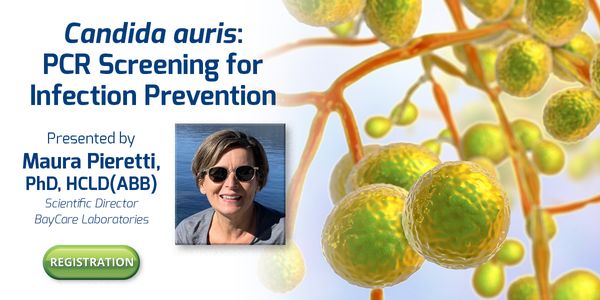
Date: December 08, 2021 Time: 10:00am (PST), 1:00pm (EST) In an effort to contain the spread of multidrug resistant nosocomial infections with Candida auris ( C. auris ), the BayCare Laborat...
DEC 08, 2021 | 8:00 AM
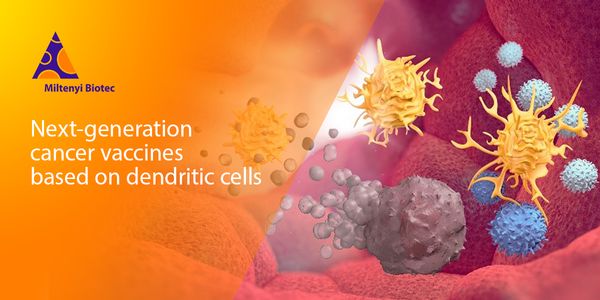
Date: December 08, 2021 Time: 8:00am (PDT), 11:00am (EDT) Learn how enrichment of primary dendritic cell (DC) subsets and sustainable DC manufacturing advances DC-based cell therapies. In th...
DEC 07, 2021 | 9:00 AM

Date: December 7, 2021 Time: 9:00am (PST), 12:00pm (EST) The severe acute respiratory syndrome coronavirus 2 (SARS-CoV-2) has infected more than...
DEC 07, 2021 | 8:00 AM
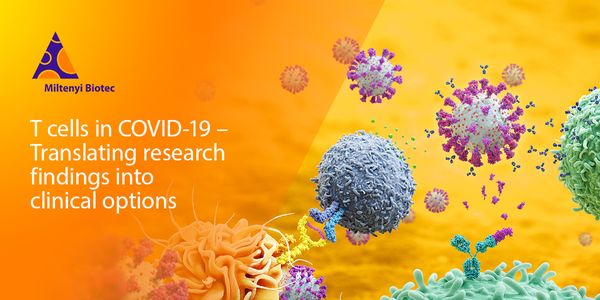
Date: November 7, 2021 Time: 8:00am (PDT), 11:00am (EDT) Analysis of SARS-CoV-2–specific T cells is important to understand their role during acute disease and in long-term protection...
NOV 10, 2021 | 3:00 PM

SARS-CoV-2 testing is now facing increasing challenges in the face of an ongoing pandemic with the emergence of new variants and waning vaccine immunity. Increasing evidence supports the cor...
NOV 04, 2021 | 11:00 AM
Date: November 4, 2021 Time: 11:00am (PDT), 1:00pm (EDT) Rapid, reliable, and accurate identification of an infective organisms has a profound impact on treatment management and clinical out...
NOV 02, 2021 | 7:00 AM
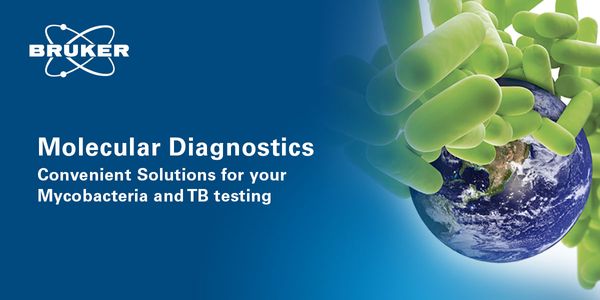
Date: November 2, 2021 Time: 7:00am (PDT), 10:00am (EDT) Tuberculosis and nontuberculous mycobacteria are an alarming and ongoing global issue which requires fast and innovative diagn...
OCT 28, 2021 | 7:00 AM
Date: September 16, 2021 Time: 7:00am (PDT), 10:00am (EDT) High-dimensional flow cytometry generates a wealth of data. Computational approaches can help to simplify the complexity of large d...