 Follow
Protein
Proteins: are essential nutrients for the human body. They are one of the building blocks of body tissue and can also serve as a fuel source. As a fuel, proteins provide as much energy density as carbohydrates: 4 kcal per gram; in contrast, lipids provide 9 kcal per gram.


SEP 12, 2023 | 8:40 AM

Efficient protein turnover is essential for cell homeostasis and organ function. Loss of proteostasis is a hallmark of aging, which culminates as a severe reduction in protein turnover rates...
SEP 12, 2023 | 8:00 AM
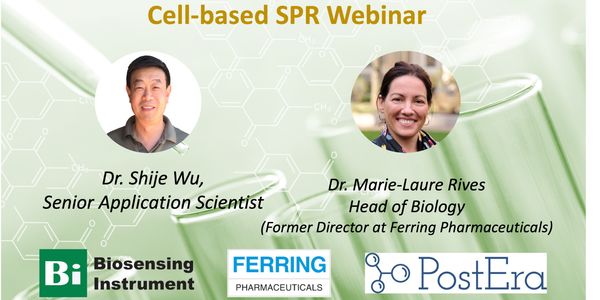
SPRm (Surface Plasmon Resonance Microscopy) is a novel technology that enables label-free and real-time measurements of the binding affinity and kinetics of small molecules to G protein-coup...
SEP 07, 2023 | 9:00 AM

RNA viruses use a variety of interactions with host proteins to gain entry, to evade immune responses, to promote viral replication, and to promote viral egress and spread. These interaction...
On-Demand

Helicobacter pylori is the primary cause of 78% of gastric cancer cases, providing an opportunity to prevent cancer by controlling a single bacterial pathogen within the complex gastric micr...
SEP 06, 2023 | 10:30 AM

Human respiratory syncytial virus (RSV) remains a significant public health concern, particularly for vulnerable populations such as infants, young children, and immunocompromised individua...
On-Demand

The arenaviruses are an important group of pathogens that includes several agents of severe human disease, with symptoms that include hemorrhagic fever and neurological complications; howeve...
AUG 29, 2023 | 8:00 AM
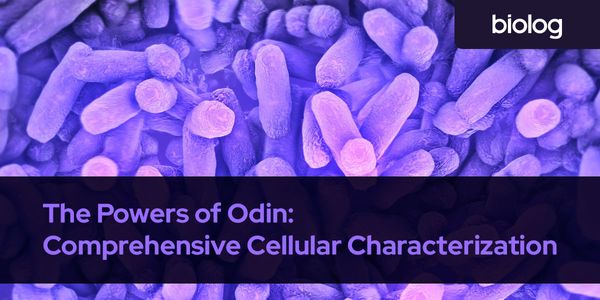
Prokaryotic and eukaryotic cells change and adapt to their environments in ways that genomic characterization methods do not fully capture or predict. Even strains of the same species of mic...
AUG 29, 2023 | 7:00 AM
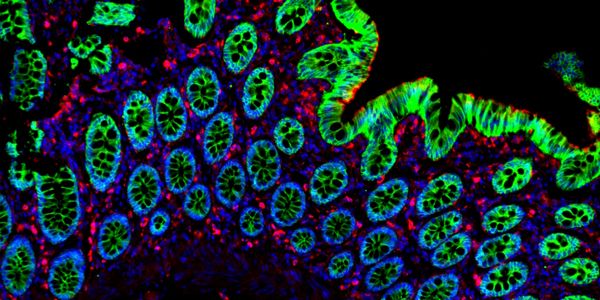
Spatialomics leverages multiplex imaging to achieve translational profiling of tissue specimens by assessing the relative spatial orientations of biological structures with RNA and protein e...
AUG 23, 2023 | 10:00 AM
C9orf72 repeat expansions cause inherited amyotrophic lateral sclerosis/frontotemporal dementia (ALS/FTD) and result in both loss of C9orf72 protein expression and production of potentially...
AUG 10, 2023 | 8:00 AM
Antibody therapeutics is a fast-growing market boosted by developments in bispecific antibodies and in newly emerging tetra-specific antibodies. With the ability to recruit a combination of...
AUG 01, 2023 | 10:00 PM
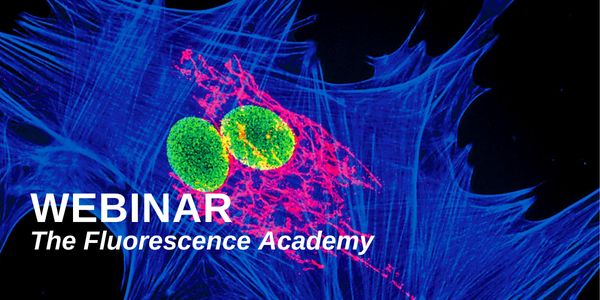
Stem cells have the capability to develop into any specialized cell type, which makes them a valuable resource in research and regenerative medicine. Differentiated stem cell models provide...
JUL 26, 2023 | 8:30 PM
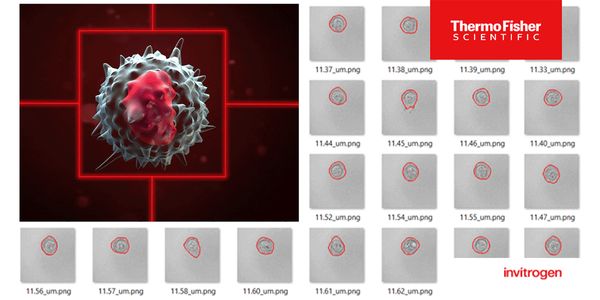
Differences in how users gate populations within experiments are major sources of variability in flow cytometry data analysis. Incorporating automated image analysis can substantially reduce...
JUL 26, 2023 | 2:30 PM

Phosphorylation of α-synuclein at the Serine-129 site (α-syn Ser129P) is an established pathologic hallmark of synucleinopathies and a therapeutic target. In physiologic states,...
JUL 26, 2023 | 1:50 PM

The use of adeno-associated viruses (AAV) as gene delivery vectors has vast potential for the treatment of many severe human diseases. A small group of intensively studied AAV capsids have b...