 Follow
RNA
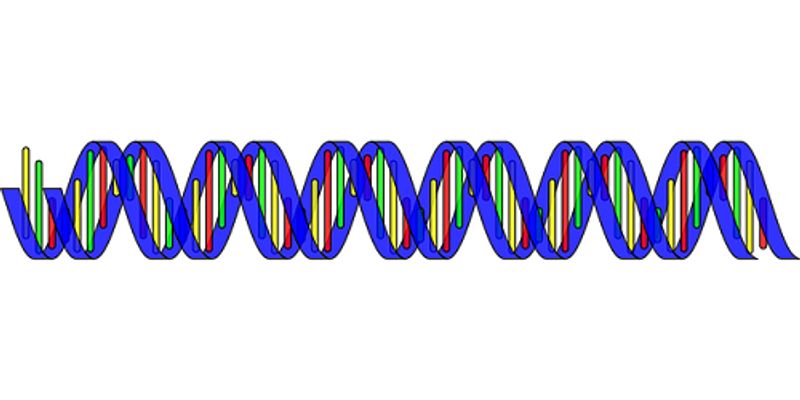
RNA, short for Ribonucleic Acid, is a molecule found in the human body that is able to form polymers and secondary structures, and can be used for various activities including decoding DNA and transferring the information to the Ribosome (tRNA), incorporation into the Ribosome (rRNA), as well as many regulatory activities concerning the expression of genes.

On Demand

Neoantigens are peptides derived from patient-specific and tumor-specific mutations, which can be recognized by the immune system and mediate tumor recognition that leads to immune destructi...
SEP 07, 2023 | 9:00 AM

RNA viruses use a variety of interactions with host proteins to gain entry, to evade immune responses, to promote viral replication, and to promote viral egress and spread. These interaction...
AUG 29, 2023 | 7:00 AM
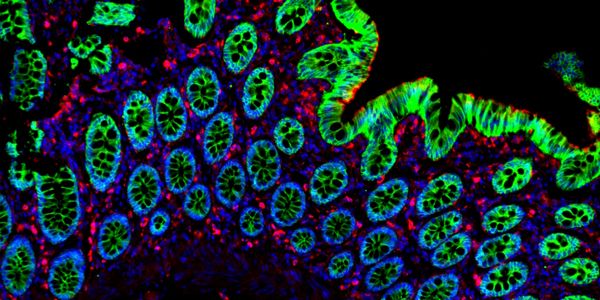
Spatialomics leverages multiplex imaging to achieve translational profiling of tissue specimens by assessing the relative spatial orientations of biological structures with RNA and protein e...
AUG 23, 2023 | 10:00 AM
C9orf72 repeat expansions cause inherited amyotrophic lateral sclerosis/frontotemporal dementia (ALS/FTD) and result in both loss of C9orf72 protein expression and production of potentially...
JUL 26, 2023 | 4:05 PM

Employing a metagenomic search, we identified a family of miniature CRISPR-Cas type V-L systems capable of RNA-guided dsDNA target cleavage without a tracrRNA. A bacterial depletion screen r...
JUL 26, 2023 | 1:50 PM

The use of adeno-associated viruses (AAV) as gene delivery vectors has vast potential for the treatment of many severe human diseases. A small group of intensively studied AAV capsids have b...
JUL 25, 2023 | 8:00 PM

NEED ABSTRACT Learning Objectives Understand how the challenges of amplification from low input DNA, including single cells, can be overcome Discover why more researchers are using a next ge...
JUN 29, 2023 | 7:55 PM

RNA interference (RNAi) offers a fast and easy system to study gene functions. However, the traditionally used small interfering RNAs (siRNAs) can exhibit pronounced and problematic off-targ...
JUN 20, 2023 | 10:00 AM
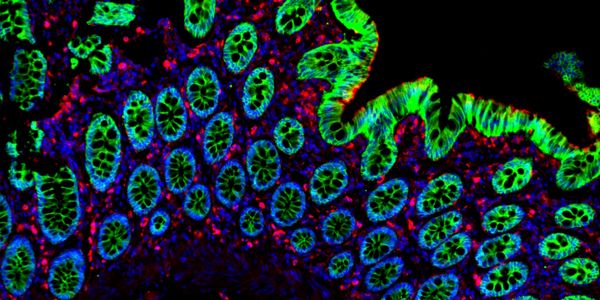
Spatial biology enables researchers to characterize combined molecular information and spatial...
JUN 15, 2023 | 9:00 AM

Advancements in protein and gene therapy research have led to more complex modalities being developed. In addition, the desire for a deeper understanding of these molecules enhances the need...
MAY 18, 2023 | 10:30 AM

Characterization of rare cells remains a major challenge for the evaluation and understanding of key biological systems, such as circulating tumor cells (CTCs) from liquid biopsy, stem cells...
MAY 16, 2023 | 12:00 PM

Learning Objectives: 1. Describe alternative (non-B) DNA structures, how prevalent are they and what are their biological implications? 2. Explain why non-B DNA structures might be relevant...
MAY 16, 2023 | 8:00 AM

The therapeutic use of chimeric antigen receptor T cells has achieved significant success in the treatment of B cells malignancies. Despite promising results in mouse tumor models, a similar...
MAY 16, 2023 | 5:30 AM

Learning Objectives: 1. Discover how Genetics is not the major determinant of chronic diseases and cancers; human microbiome and nutrition heavily contribute to their onset and progression....