 Follow
RNA
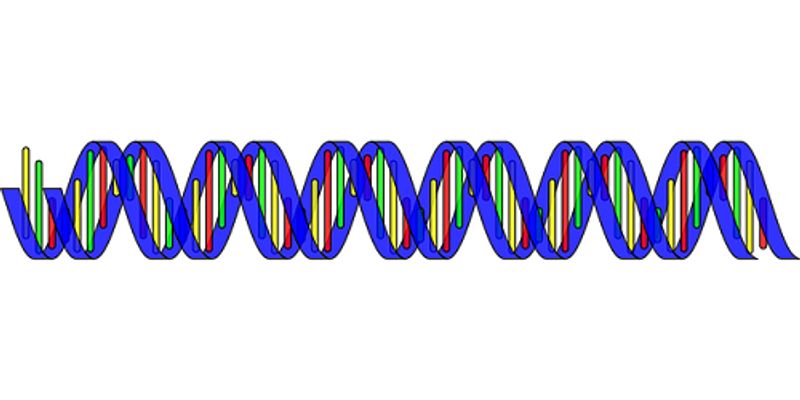
RNA, short for Ribonucleic Acid, is a molecule found in the human body that is able to form polymers and secondary structures, and can be used for various activities including decoding DNA and transferring the information to the Ribosome (tRNA), incorporation into the Ribosome (rRNA), as well as many regulatory activities concerning the expression of genes.




MAY 04, 2022 | 7:30 AM

The Sarbecoviruses encodes a large panel of highly heterogeneous, but related zoonotic, epidemic and pandemic coronaviruses that include SARS-CoV and SARS-CoV2, which have been associated wit...
APR 19, 2022 | 3:00 PM

MicroRNAs (miRNAs) are small RNAs with an average size of 22 nucleotides that regulate gene expression through various mechanisms. During the last decade, researchers have identified over 26...
APR 19, 2022 | 1:30 PM
C.E. CREDITS

Regardless of method, single cell RNA-seq only captures a small fraction of the transcriptome of each cell. Often, this is due to inherent limitations of the methodology as reads ‘drop...
APR 19, 2022 | 12:00 PM
C.E. CREDITS

Loop-mediated isothermal amplification (LAMP) uses a stand-displacing DNA polymerase and four to six primers to rapidly amplify DNA at a single temperature. By eliminating temperature cyclin...
APR 19, 2022 | 10:30 AM

Revolutionary sequencing technologies are enabling whole transcriptome profiling of tens to hundreds of thousands of single cells in parallel, in a single experiment. This has led to an expl...
APR 19, 2022 | 6:00 AM

Target enrichment workflows for Next Generation Sequencing are well-established methods that enable labs to achieve relatively low sequencing costs by specifically sequencing regions of inte...
APR 06, 2022 | 9:00 AM

Date: April 06, 2022 Time: 9:00am (PDT), 12:00pm (EDT), 6:00pm (CEDT) Digital PCR is a specialized tool for nucleic acid quantification which has applications in many research areas includin...
APR 05, 2022 | 9:00 AM

Date: April 5, 2022 Time: 9:00am (PDT), 12:00pm (EDT), 6:00pm (CEST) Enteroviruses are non-enveloped positive-sense RNA viruses that cause diverse diseases...
MAR 31, 2022 | 11:00 AM

Date: March 31, 2022 Time: 11:00am (PDT), 2:00pm (EDT), 8:00pm (CET) Formalin-fixed paraffin-embedded (FFPE) tissues are the most widely used clinical sample types in histology and molecular...
MAR 31, 2022 | 8:00 AM

Date: March 31, 2022 Time: 8:00am (PDT), 11:00am (EDT) The US horticulture industry suffers approximately $60 billion in losses each year as a result of...
MAR 23, 2022 | 11:00 AM

Date: March 23, 2021 Time: 11:00am (PDT), 2:00pm (EDT), 8:00pm (CEDT) In this presentation, Dr. Middleton will review the development and deployment of large-scale saliva-based COVID-19 test...
MAR 10, 2022 | 11:55 PM

Alzheimer’s and Parkinson’s diseases (AD, PD) are the two most common neurodegenerative disorders. Despite their debilitating effects and increasing prevalence in our society, no...