 Follow
Cell Culture
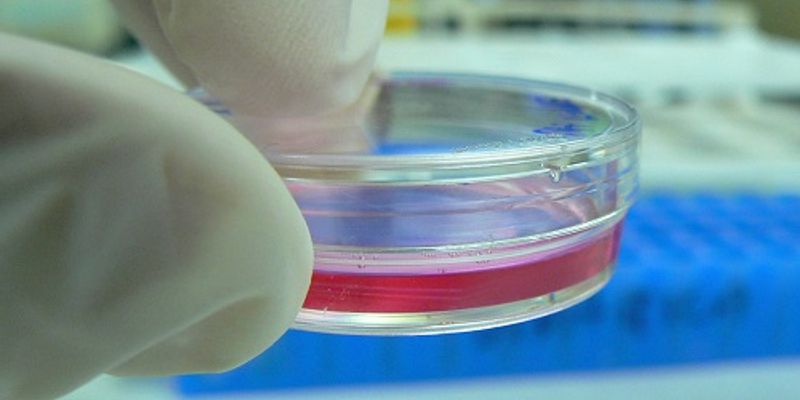
Cell Culture: the process by which cells are grown under controlled conditions, generally outside of their natural environment. Cell culture conditions can vary for each cell type, but artificial environments consist of a suitable vessel with substrate or medium that supplies the essential nutrients (amino acids, carbohydrates, vitamins, minerals), growth factors, hormones, and gases (CO2, O2), and regulates the physio-chemical environment.

OCT 29, 2025 | 8:00 AM
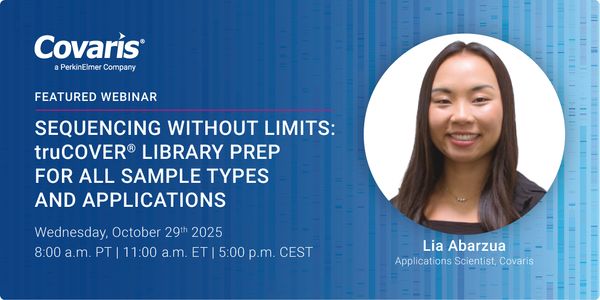
In today’s rapidly evolving landscape of next-generation sequencing (NGS), researchers face mounting pressure to deliver high-quality data from increasingly diverse and challenging sam...
OCT 14, 2025 | 10:00 AM
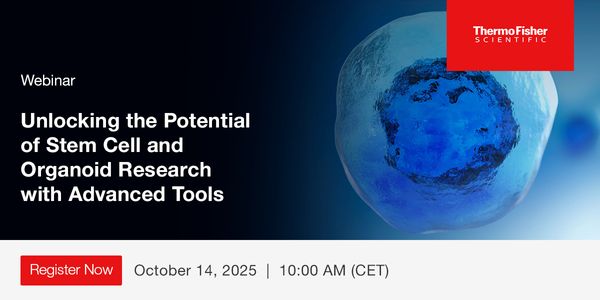
Stem cells and organoids are revolutionising medical advancements. The journey from stem cell research to translational medicine is extensive, and maintaining quality throughout development...
OCT 08, 2025 | 9:00 AM

Cell counting is a fundamental step in many workflows, including cell culture, cell analysis, transfection, single cell sequencing, and cell therapy. Automated cell counters have improved th...
SEP 09, 2025 | 9:00 AM
C.E. CREDITS

Corneal transplantation using donor tissue is currently the primary treatment for corneal endothelial insufficiency. Despite the potential for vision restoration through corneal transplantat...
AUG 26, 2025 | 8:00 AM
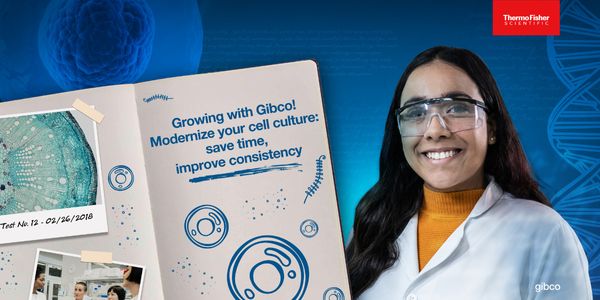
Cell culture has been practiced since the mid-1800s. Many of the cell culture products that we use today were developed over 50 years ago. While these foundational products have led to many...
JUL 15, 2025 | 9:00 PM

The adult mammalian heart bears limited regenerative capacity, resulting in the irreversible loss of cardiomyocytes post-cardiac injury, and often culminating in end-stage heart failure. Car...
APR 30, 2025 | 8:00 AM
The purification of proteins and antibodies is a critical process in biotechnology and pharmaceutical industries. Traditional methods often involve single-use materials, leading to high cost...
MAR 20, 2025 | 8:00 AM
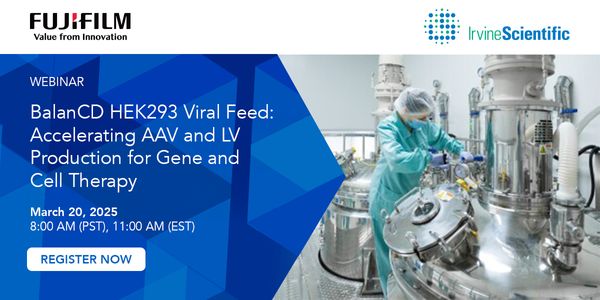
Efficient viral vector production is essential for the cost-effective manufacture of cell and gene therapies. Many of the current production workflows are reliant on basal media in batch-mod...
NOV 06, 2024 | 10:00 AM
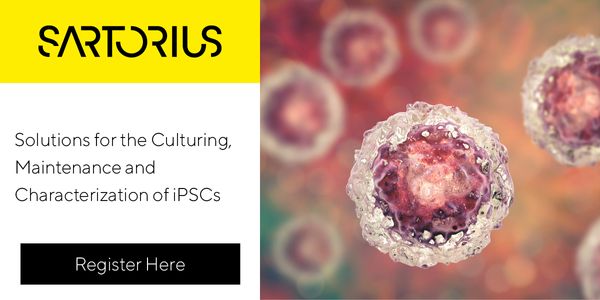
Stem cells, particularly Induced Pluripotent Stem Cells (iPSCs), are becoming essential tools in scientific research, from drug discovery to disease modeling. As the scientific community shi...
NOV 1, 2024 3:30 PM ET

Understanding the impact of high-quality animal-origin free recombinant growth factors on stem cell culture....
OCT 16, 2024 | 1:00 PM
C.E. CREDITS

T cell lymphocytes play a central role in the adaptive immune response. They are an essential tool of adoptive cell therapy for the treatment of chronic viral infections and malignant diseas...
OCT 01, 2024 | 9:00 AM
Real-time reverse transcription PCR analysis of RNA expression in normal and diseased states is a fundamental technique used in research workflows. Immortalized and primary cells are often u...
JUNE 7, 2024 3:30 PM ET

Over the past decade, there has been increasing interest in more predictive model systems for disease and development. 3D cell culture models can serve both purposes, but can present challen...
APR 22, 2024 | 9:00 AM

Maintaining healthy cells is the key to experimental success and reproducible research results. To give you confidence in your cell cultures, the Gibco, Thermo Scientific Nunc, and Invitroge...
APR 18, 2024 | 8:00 AM
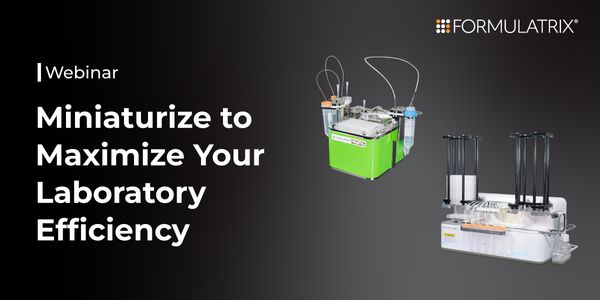
This webinar will demonstrate how the MANTIS and TEMPEST liquid dispensers enable assay automation and miniaturization in various applications such as PCR, NGS, immunoassays, and cell and or...
APR 03, 2024 | 12:00 PM

Human induced pluripotent stem cells (hiPSCs) are a powerful tool for innovative approaches, such as drug discovery, in vitro disease modelling, or regenerative therapies. However, such proc...
MAR 20, 2024 | 9:00 AM
C.E. CREDITS

Join us in this enlightening session to deepen your understanding of qualifications and their transformative impact on risk management and regulatory adherence. Gain actionable insights that...
MAR 20, 2024 | 8:00 AM
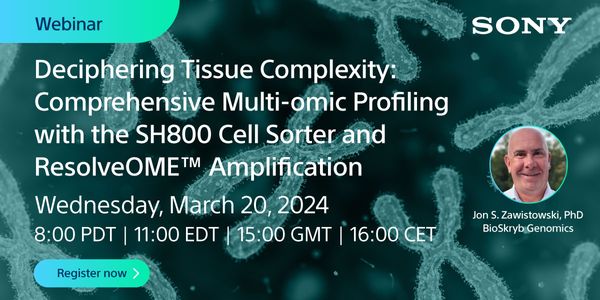
Deciphering somatic mosaicism in healthy tissues and clonal diversity in tumors necessitates single-cell analysis. High-quality genomic and transcriptomic data at the single-cell level depen...
On Demand
C.E. CREDITS

Current cancer research is hindered by the limitations of existing experimental systems, which fall short in demonstrating concordance with human studies. In this way, we aim to develop mode...
On Demand
C.E. CREDITS

Learning Objectives: 1. Summarize the benefits and challenges of current preclinical methods in drug discovery and development. 2. Review new alternative methodologies (NAMs) and microphysio...
FEB 08, 2024 | 10:00 AM
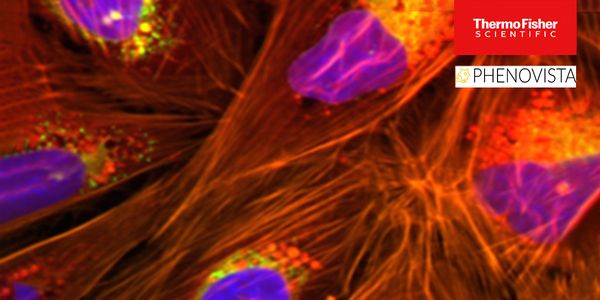
High-content screening (HCS) is an imaging-based, multi-parametric strategy used in drug development that generates rich datasets through multiplexing strategically chosen fluorescent dyes a...
JAN 23, 2024 | 12:00 PM

From drug discovery to organoid modeling of disease, stem cells are increasingly being used in research as a vital tool for scientific investigation. Due to the specialized nature of stem ce...
JAN 23, 2024 | 10:00 AM

Organoid technologies are increasingly being used as in vitro models of human development and disease because they exhibit morphogenetic, structural and functional properties that recapitula...
MAR 20, 2024 | 9:00 AM
C.E. CREDITS
Join us in this enlightening session to deepen your understanding of qualifications and their transformative impact on risk management and regulatory adherence. Gain actionable insights that...
MAR 20, 2024 | 8:00 AM
Deciphering somatic mosaicism in healthy tissues and clonal diversity in tumors necessitates single-cell analysis. High-quality genomic and transcriptomic data at the single-cell level depen...
On Demand
C.E. CREDITS
Current cancer research is hindered by the limitations of existing experimental systems, which fall short in demonstrating concordance with human studies. In this way, we aim to develop mode...
On Demand
C.E. CREDITS
Learning Objectives: 1. Summarize the benefits and challenges of current preclinical methods in drug discovery and development. 2. Review new alternative methodologies (NAMs) and microphysio...