 Follow
Cell
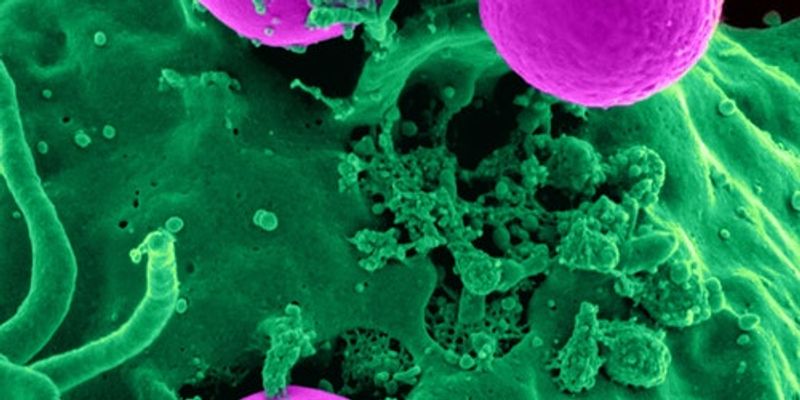
Cell: is the smallest structural and functional unit of an organism, typically microscopic and consisting of cytoplasm and a nucleus enclosed in a membrane. Microscopic organisms typically consist of a single cell, which is either eukaryotic or prokaryotic.


JAN 23, 2024 | 10:00 AM

Organoid technologies are increasingly being used as in vitro models of human development and disease because they exhibit morphogenetic, structural and functional properties that recapitula...
JAN 18, 2024 | 8:00 AM
Calcium signaling is essential for cellular communication, orchestrating a myriad of physiological processes. As the quest for a more profound understanding of cellular dynamics intensifies,...
DEC 14, 2023 | 9:00 AM
Join our webinar where we will highlight key features of the NovaSeq™ X series including technology innovations, product updates, and features of the on-board DRAGEN™ secondary a...
DEC 12, 2023 | 8:00 PM
Embryonic epicardium is crucial for normal heart morphogenesis. The tissue originates from the proepicardial organ, with cells migrating to form the outer mesothelial layer, giving rise to n...
DEC 12, 2023 | 7:00 AM
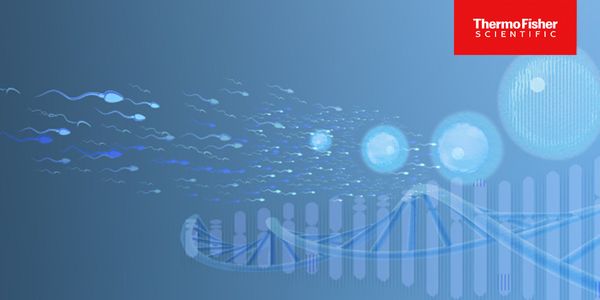
An estimated 48.5 million couples suffer from infertility worldwide, driving up usage of assisted reproductive technologies around the globe. As a result, preimplantation genetic testing (PG...
DEC 07, 2023 | 10:00 AM
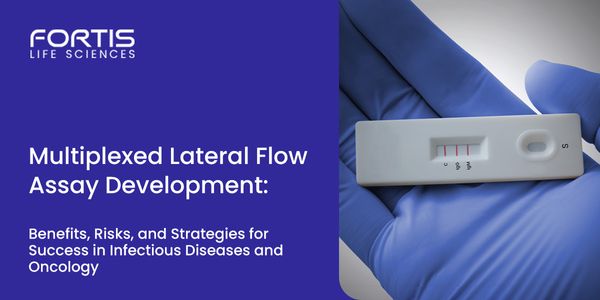
Lateral flow assay applications have become increasingly diverse in a post-pandemic world, and the areas of infectious disease and oncology continue to be at the forefront. In both areas, th...
DEC 07, 2023 | 8:00 AM
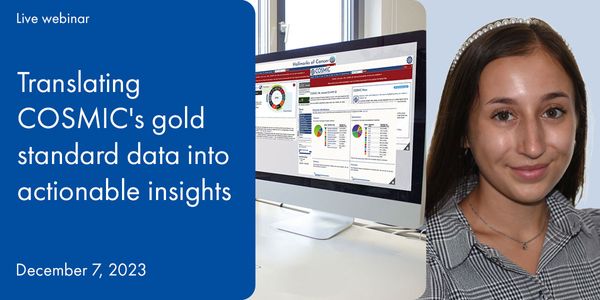
As the vast landscape of genetic oncology continues to expand, the ability to understand and utilize the full potential of this rich data becomes increasingly challenging. As a result, resea...
DEC 05, 2023 | 3:00 PM

Most FDA-approved therapeutic drugs target transmembrane proteins, yet the development of monoclonal antibodies for multi-transmembrane protein targets has been limited. Despite the abundanc...
DEC 05, 2023 | 8:00 AM
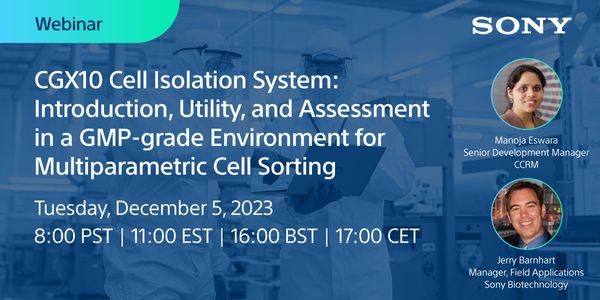
CGX10 Cell Isolation System: Introduction, Utility, and Assessment in a GMP-grade Environment for Multiparametric Cell Sorting A future of long-term, minimally toxic immunotherapy personaliz...
NOV 29, 2023 | 10:00 AM
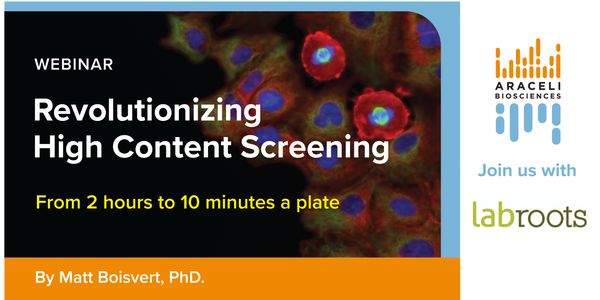
High content screening at speed requires compromise: sacrificing resolution, sample coverage or both. This has limited high content screening’s utility as a high throughput tool. In or...
NOV 29, 2023 | 9:00 AM

Tumor genomic profiling can be complicated, especially for diseases that commonly have multiple different genomic biomarkers of interest, such as non-small cell lung cancer (NSCLC) and color...
NOV 15, 2023 | 9:00 AM

Multicolor flow cytometry is beneficial because it allows us to gain deeper insights from a given biological sample, with fewer repeat markers in each tube and quicker results. In this three...
NOV 15, 2023 | 7:00 AM
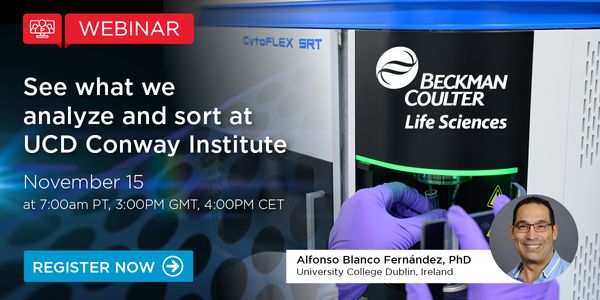
Join Assoc. Prof. Dr. Alfonso Blanco, the Director of the Flow Cytometry Core Technologies in the University College Dublin for a review of what he looks for in new cytometry analyzers and s...
NOV 14, 2023 | 9:00 PM

Spheroids and organoids, two examples of 3D cell culture models, have become invaluable tools to study the processes that dictate behavior of tissues under physiological and pathological con...
NOV 09, 2023 | 8:00 AM
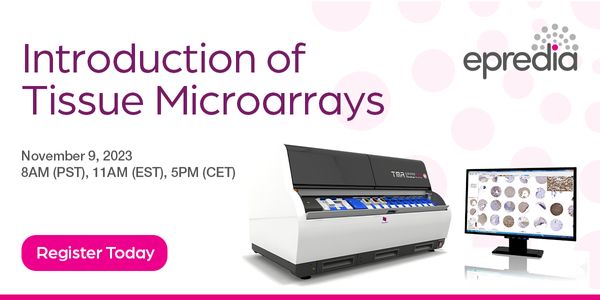
Tissue microarray combines tens to hundreds paraffin-embedded specimens into a single paraffin block. It is a practical and highly effective tool for high-throughput analyses including valid...
NOV 09, 2023 | 6:00 AM

In this talk we will explore the application of Multiplexed Error-Robust Fluorescence in situ Hybridization (MERFISH) technology to decode spatially regulated disease drivers in human heart...
NOV 08, 2023 | 8:00 AM
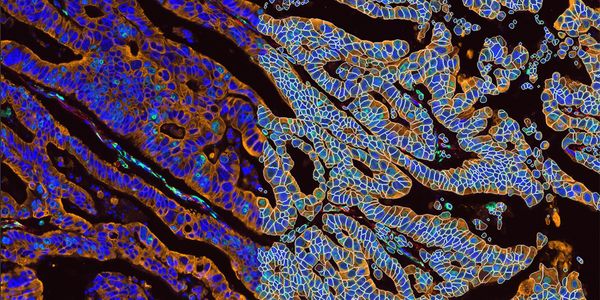
Generating Insights into tissue microenvironments is crucial to our understanding of normal and abnormal tissue development such as during cancer progression. Spatial biology methods using m...
NOV 08, 2023 | 8:00 AM
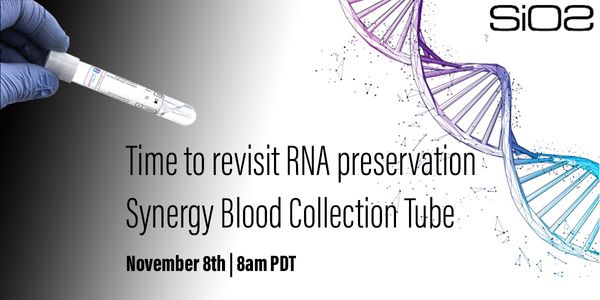
SiO2 Materials Science is a company with deep roots in materials science and engineering and a track record of innovative packaging products for pharmaceutical drugs. The company also manufa...
NOV 07, 2023 | 10:00 AM
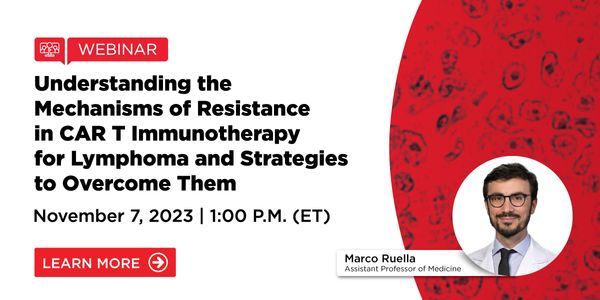
In the last 5 years, the US Food and Drug Administration has approved 4 anti-CD19 chimeric antigen receptor T cell (CART19) products for relapsed/refractory B cell lymphomas and leukemia. Ho...
NOVEMBER 02, 2023 2:00 PM ET

Sample preparation solutions for environmental and agricultural research using homogenizers and kits....
NOV 01, 2023 | 10:30 AM

With the fast progress and deeper understanding of CAR-T cell therapy, finding a better solution other than lentivirus transduction is more requested, to overcome the functional limitation o...
NOV 01, 2023 | 9:00 AM

This talk will provide an overview of our work in the design of self-assembled, functionalised peptide and protein nanoparticles, hydrogels and bio-interfaces for applications in healthcare....
NOV 09, 2023 | 8:00 AM
Tissue microarray combines tens to hundreds paraffin-embedded specimens into a single paraffin block. It is a practical and highly effective tool for high-throughput analyses including valid...
NOV 09, 2023 | 6:00 AM
In this talk we will explore the application of Multiplexed Error-Robust Fluorescence in situ Hybridization (MERFISH) technology to decode spatially regulated disease drivers in human heart...
NOV 08, 2023 | 8:00 AM
Generating Insights into tissue microenvironments is crucial to our understanding of normal and abnormal tissue development such as during cancer progression. Spatial biology methods using m...
NOV 08, 2023 | 8:00 AM
SiO2 Materials Science is a company with deep roots in materials science and engineering and a track record of innovative packaging products for pharmaceutical drugs. The company also manufa...
NOV 07, 2023 | 10:00 AM
In the last 5 years, the US Food and Drug Administration has approved 4 anti-CD19 chimeric antigen receptor T cell (CART19) products for relapsed/refractory B cell lymphomas and leukemia. Ho...
NOVEMBER 02, 2023 2:00 PM ET
Sample preparation solutions for environmental and agricultural research using homogenizers and kits....
NOV 01, 2023 | 10:30 AM
With the fast progress and deeper understanding of CAR-T cell therapy, finding a better solution other than lentivirus transduction is more requested, to overcome the functional limitation o...
NOV 01, 2023 | 9:00 AM
This talk will provide an overview of our work in the design of self-assembled, functionalised peptide and protein nanoparticles, hydrogels and bio-interfaces for applications in healthcare....