 Follow
RNA
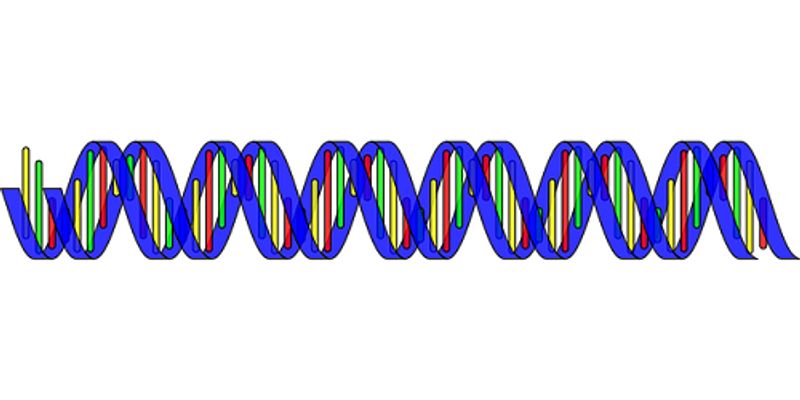
RNA, short for Ribonucleic Acid, is a molecule found in the human body that is able to form polymers and secondary structures, and can be used for various activities including decoding DNA and transferring the information to the Ribosome (tRNA), incorporation into the Ribosome (rRNA), as well as many regulatory activities concerning the expression of genes.

OCT 30, 2014 | 6:00 AM

Cancer research is being revolutionized by targeted gene panels, whole exome sequencing (WES), whole genome sequencing (WGS), and transcriptome sequencing (RNA-Seq).Many analyses, such as...
OCT 29, 2014 | 9:00 AM

Circulating miRNAs have great potential as biomarkers due to their aberrant expression in cancer and other diseases. However, miRNAs from body fluids are hard to obtain in amounts sufficient...
OCT 29, 2014 | 6:00 AM

As next-generation sequencing (NGS) platforms advance in their speed, ease-of-use, and cost-effectiveness, many translational researchers are transitioning from microarrays to RNA sequencing...
SEP 24, 2014 | 2:00 PM

The RNA-guided nuclease Cas9 from the microbial CRISPR adaptive immune system has emerged as an exciting tool for precise genome editing in eukaryotic cells. This presentation will discuss th...
SEP 24, 2014 | 2:00 PM

Master regulatory transcription factors localize to the genome in a manner influenced by chromatin accessibility and influencing global chromatin structure. With an interest in understanding...
SEP 10, 2014 | 10:00 AM

In this webinar, we will describe a comprehensive approach for NGS-based marker discovery and the successful migration of these markers to targeted NGS assays using low-quality (FFPE) and low...

AUG 21, 2014 | 12:15 PM

DNASTAR offers an integrated suite of software for assembling and analyzing sequence data from all major next-generation sequencing platforms. DNASTAR software supports a variety of key workf...
AUG 21, 2014 | 9:30 AM

Next-Generation Sequencing is enabling scientists to study the transcriptome in ways never before possible. During this session with Illumina Distinguished Scientist, Dr. Gary Schroth, you w...
AUG 21, 2014 | 6:45 AM

The Cas9 endonuclease from the microbial adaptive immune system CRISPR can be easily programmed to bind or cleave specific DNA sequence using a short RNA guide. Cas9 is enabling the generatio...