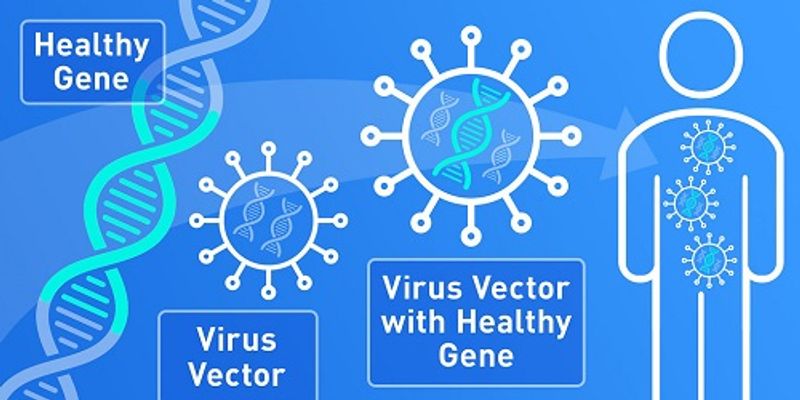
Gene delivery is the process of delivering foreign genetic material ( e.g. DNA, RNA) into host bacterial cells ( called transformation) or host mammalian cells ( called transfection) using viral or non-viral vectors. Common uses include gene therapy.
DATE: February 8, 2017TIME: 12:00pm PT, 3:00pm ETIn-vivo surgical models are becoming more prevalent and more critical to the drug development process. As the vast majority of ind...
DATE: February 8, 2017TIME: 12:00pm PT, 3:00pm ETLarge animal models have recently become a staple in biomedical research. The pig’s similarities to humans in terms of genet...
DATE: February 8, 2017TIME: 10:30am PT, 1:30pm ETThe cat remains an important comparative species for studying the long-term safety and efficacy of emergent medical modalities, such as...
DATE: February 8, 2017TIME: 10:30am PT, 1:30pm ETThe utility of animal models in drug development is limited, in part, by the measures available to researchers for monitoring animals. I...
DATE: February 8, 2017TIME: 9:00am PT, 12:00pm ETThere are many factors involved in rabbit breeding that impact performance. In this evaluation of a Dutch Belted rabbit breeding c...
DATE: February 8, 2017TIME: 9:00am PT, Noon ETTraining programs for animal care and use personnel are integral to both animal welfare and quality research outcomes. There are a variety...
DATE: February 8, 2017TIME: 7:30am PT, 10:30am ETMany of us who believe in the importance of aseptic rodent surgery have lived through the frustration of trying to implement rodent asep...
DATE: February 8, 2017TIME: 6:00am PT, 9:00 ETSeveral regulatory bodies require that animals used in biomedical and behavioral research exposed to procedures that may cause more th...
DATE: February 8, 2017TIME: 6:00am PT, 9:00am ETDevelopment of assisted reproductive technologies in the dog has lagged behind many other domestic and laboratory animal species, due in...
PRESENTED BY:DATE: September 29, 2016TIME: 8:00AM PT, 11AM ETInterest in 3D cell culture has grown exponentially in recent years, partially due to 3D cultures hel...
The reprogramming of somatic cells into induced Pluripotent Stem Cells (iPSC) has great potential of applications, not only in basic research, but also in drug screening and cell therapy. Wit...
Optogenetics or optophysiology is a rapidly growing technique used across an ever broadening array of research fields. Investigators now genetically modify many signalling pathway elements to...
Personalised Healthcare is essential to AstraZeneca’s approach to drug development and is adopted by more than 80% of drug products in clinical development. Selection of the right patie...
A crucial part of providing animals for research is successful breeding. Still, in many mouse facilities breeding efficiency is complicated by problems with reproduction, such as pre-weaning...
Science continues to evolve at a rapid pace. Our understanding of laboratory animal behavior and welfare is also growing. The biomedical research community continues to receive criticisms fro...
Working with animals carries legal, scientific and ethical responsibilities. These responsibilities merge as we strive to humanely use the least number of animals necessary to provide t...
Optimising experimental design needs a sound understanding of basic principles and a good appreciation of a range of designs and when to use them. More than ten years ago it was clear t...
The reproducibility of animal studies is now critical to ensure that limited resources are used wisely and that efforts yield useable knowledge. At this time, IACUCs and other similar a...
Historically, rodent disease models have mainly used a single sex or did not stratify outcomes by sex when both sexes were studied. These experimental approaches were based on the assumption...
The environment has been found to be a major contributor to data variability and many aspects of the laboratory environment are stressful to rodents and do not accurately reflect the human ex...
The National Centre for the Replacement, Refinement and Reduction of Animals in Research (NC3Rs) is leading an initiative to improve the design and reporting of animal research. The ARRIVE (A...
The fate of all but a very few laboratory animals is to be killed at the end of their experimental lives. There is a moral responsibility to give the animals used in science a humane death by...
A number of elements come into the mix when trying to optimise experimental design. Among these are having clear objectives, setting up valid comparisons, knowing how to avoid bias during the...
Public, legal & ethical acceptability of animal research not only warrants respect for animal welfare & the 3Rs, but also that the perceived benefits can outweigh the pain, discomfort...
DATE: February 8, 2017TIME: 12:00pm PT, 3:00pm ETIn-vivo surgical models are becoming more prevalent and more critical to the drug development process. As the vast majority of ind...
DATE: February 8, 2017TIME: 12:00pm PT, 3:00pm ETLarge animal models have recently become a staple in biomedical research. The pig’s similarities to humans in terms of genet...
DATE: February 8, 2017TIME: 10:30am PT, 1:30pm ETThe cat remains an important comparative species for studying the long-term safety and efficacy of emergent medical modalities, such as...
DATE: February 8, 2017TIME: 10:30am PT, 1:30pm ETThe utility of animal models in drug development is limited, in part, by the measures available to researchers for monitoring animals. I...
DATE: February 8, 2017TIME: 9:00am PT, 12:00pm ETThere are many factors involved in rabbit breeding that impact performance. In this evaluation of a Dutch Belted rabbit breeding c...
DATE: February 8, 2017TIME: 9:00am PT, Noon ETTraining programs for animal care and use personnel are integral to both animal welfare and quality research outcomes. There are a variety...
DATE: February 8, 2017TIME: 7:30am PT, 10:30am ETMany of us who believe in the importance of aseptic rodent surgery have lived through the frustration of trying to implement rodent asep...
DATE: February 8, 2017TIME: 6:00am PT, 9:00 ETSeveral regulatory bodies require that animals used in biomedical and behavioral research exposed to procedures that may cause more th...
DATE: February 8, 2017TIME: 6:00am PT, 9:00am ETDevelopment of assisted reproductive technologies in the dog has lagged behind many other domestic and laboratory animal species, due in...
PRESENTED BY:DATE: September 29, 2016TIME: 8:00AM PT, 11AM ETInterest in 3D cell culture has grown exponentially in recent years, partially due to 3D cultures hel...
The reprogramming of somatic cells into induced Pluripotent Stem Cells (iPSC) has great potential of applications, not only in basic research, but also in drug screening and cell therapy. Wit...
Optogenetics or optophysiology is a rapidly growing technique used across an ever broadening array of research fields. Investigators now genetically modify many signalling pathway elements to...
Personalised Healthcare is essential to AstraZeneca’s approach to drug development and is adopted by more than 80% of drug products in clinical development. Selection of the right patie...
A crucial part of providing animals for research is successful breeding. Still, in many mouse facilities breeding efficiency is complicated by problems with reproduction, such as pre-weaning...
Science continues to evolve at a rapid pace. Our understanding of laboratory animal behavior and welfare is also growing. The biomedical research community continues to receive criticisms fro...
Working with animals carries legal, scientific and ethical responsibilities. These responsibilities merge as we strive to humanely use the least number of animals necessary to provide t...
Optimising experimental design needs a sound understanding of basic principles and a good appreciation of a range of designs and when to use them. More than ten years ago it was clear t...
The reproducibility of animal studies is now critical to ensure that limited resources are used wisely and that efforts yield useable knowledge. At this time, IACUCs and other similar a...
Historically, rodent disease models have mainly used a single sex or did not stratify outcomes by sex when both sexes were studied. These experimental approaches were based on the assumption...
The environment has been found to be a major contributor to data variability and many aspects of the laboratory environment are stressful to rodents and do not accurately reflect the human ex...
The National Centre for the Replacement, Refinement and Reduction of Animals in Research (NC3Rs) is leading an initiative to improve the design and reporting of animal research. The ARRIVE (A...
The fate of all but a very few laboratory animals is to be killed at the end of their experimental lives. There is a moral responsibility to give the animals used in science a humane death by...
A number of elements come into the mix when trying to optimise experimental design. Among these are having clear objectives, setting up valid comparisons, knowing how to avoid bias during the...
Public, legal & ethical acceptability of animal research not only warrants respect for animal welfare & the 3Rs, but also that the perceived benefits can outweigh the pain, discomfort...
 Follow