 Follow
Research and Development
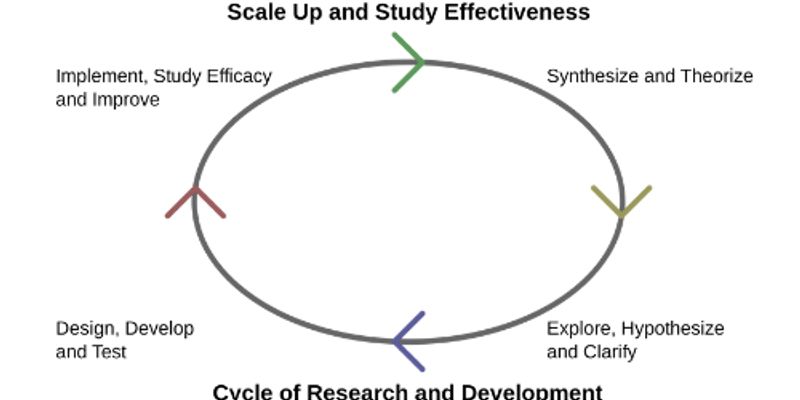
Research and Development: innovative activities performed by corporations or governments for the creation, discovery and advancement of services and products.







OCT 16, 2013 | 6:00 AM

The knowledge of molecular alterations involved in colon carcinoma (CRC) and non-small-cell lung carcinoma (NSCLC) has significantly increased in the past few years. Molecular subgroups of t...
AUG 22, 2013 | 5:00 PM

As Chief of Scientific Intelligence at the John Wayne Cancer Institute, Dr. Hoon interacts with external academic, industry, and government agencies to develop innovative translational rese...
AUG 22, 2013 | 5:00 PM
C.E. CREDITS

Malignancies caused by so-called Type I chemical and biological carcinogens provide important opportunities studying early events in cancer development, providing essential information for de...
AUG 22, 2013 | 4:00 PM
C.E. CREDITS

The next generation sequencing technologies are profoundly influencing our way to study biology. We have previously developed cap-analysis gene expression (CAGE) to simultaneously mRNA/noncod...
AUG 22, 2013 | 3:00 PM

Developments in DNA sequencing technology have provided a unique opportunity for diagnosis and discovery of genetic alterations for rare diseases. Partnering with 20 academic centers in the U...
AUG 22, 2013 | 3:00 PM
C.E. CREDITS

The use of ultrahigh throughput diagnostic tests that determine genetic sequence variation to guide patient care is rapidly expanding, fueled by the enormous growth in sequencing platform dev...
AUG 22, 2013 | 2:00 PM

The role of the human genome in normal and patho-biology is crucial. Applied in cancer care and in a variety of unknown disorder settings, it can provide key insights and crucial diagnostic/p...
AUG 22, 2013 | 2:00 PM

Since the introduction of second-generation DNS sequencing technologies in 2007, the cost of genome sequencing has been consistently by 33% per quarter, with the $1000 genome arriving in 2012...
AUG 22, 2013 | 1:00 PM

Personalized medicine is transforming biomedical research and healthcare service delivery. Disease definition, diagnosis, treatment, and prevention are being fundamentally altered by the capa...
AUG 22, 2013 | 1:00 PM

MicroRNAs are short non-coding cellular regulators of gene expression. Each microRNA controls the expression of a large set of genes, and microRNAs collectively, may regulate more than half o...
AUG 22, 2013 | 10:00 AM
C.E. CREDITS

The advent of massively parallel sequencing by next generation sequencing platforms now allow genomic approaches for individualizing healthcare. Genomic sequencing data reveals variants in ge...
AUG 22, 2013 | 10:00 AM

The FarGen project aims to sequence the whole genome of the entire Faroese population. Together with existing genetic records, such a comprehensive sequencing project can significantly improv...
AUG 22, 2013 | 9:00 AM

The rapid advancements in next generation sequencing have served the research market very well, delivering more and more sequence for less and less money. While these advancements are still b...
AUG 22, 2013 | 9:00 AM
C.E. CREDITS

There has been considerable debate in the scientific and clinical communities regarding the return of results from genome sequencing to physicians and patients. Questions surrounding which he...
AUG 22, 2013 | 9:00 AM
C.E. CREDITS

During IVF procedures pre-implantation genetic diagnosis (PGD) allows for genetic profiling of embryos prior to replacement. Most PGD procedures during IVF are performed to select chromosomal...
AUG 22, 2013 | 8:00 AM

Synthesis and assembly of DNA powerfully enables reverse genetics-based approaches to scientific discovery. I'll present recent and unpublished work on genome refactoring and redesign, focusi...
AUG 22, 2013 | 1:00 PM
Personalized medicine is transforming biomedical research and healthcare service delivery. Disease definition, diagnosis, treatment, and prevention are being fundamentally altered by the capa...
AUG 22, 2013 | 1:00 PM
MicroRNAs are short non-coding cellular regulators of gene expression. Each microRNA controls the expression of a large set of genes, and microRNAs collectively, may regulate more than half o...
AUG 22, 2013 | 10:00 AM
C.E. CREDITS
The advent of massively parallel sequencing by next generation sequencing platforms now allow genomic approaches for individualizing healthcare. Genomic sequencing data reveals variants in ge...
AUG 22, 2013 | 10:00 AM
The FarGen project aims to sequence the whole genome of the entire Faroese population. Together with existing genetic records, such a comprehensive sequencing project can significantly improv...
AUG 22, 2013 | 9:00 AM
The rapid advancements in next generation sequencing have served the research market very well, delivering more and more sequence for less and less money. While these advancements are still b...
AUG 22, 2013 | 9:00 AM
C.E. CREDITS
There has been considerable debate in the scientific and clinical communities regarding the return of results from genome sequencing to physicians and patients. Questions surrounding which he...
AUG 22, 2013 | 9:00 AM
C.E. CREDITS
During IVF procedures pre-implantation genetic diagnosis (PGD) allows for genetic profiling of embryos prior to replacement. Most PGD procedures during IVF are performed to select chromosomal...
AUG 22, 2013 | 8:00 AM
Synthesis and assembly of DNA powerfully enables reverse genetics-based approaches to scientific discovery. I'll present recent and unpublished work on genome refactoring and redesign, focusi...