 Follow
Skin
Skin: is the thin layer of tissue forming the natural outer covering of the body of a person or animal. The skin is the largest organ of the body, with a total area of about 20 square feet. The skin protects us from microbes and the elements, helps regulate body temperature, and permits the sensations of touch, heat, and cold.

APR 10, 2025 | 7:00 AM

Psoriatic arthritis (PsA) is a chronic inflammatory disease affecting the joints, entheses, and skin, while also increasing the risk of cardiovascular disease (CVD) and metabolic dysfunction...
OCT 22, 2024 | 6:00 AM
The oral cavity acts as the gateway to the respiratory and digestive tract, and is in continuity with the skin, sharing several of its features and structure. The oral cavity consists of var...
OCT 02, 2024 | 11:00 AM
Inflammatory skin disorders comprise a diverse set of conditions exhibiting unique characteristics. Our objective was to systematically compare the affected and unaffected skin of individual...
On Demand

The skin epidermis is the body's main defense against dehydration and harmful substances. We used germ-free mice to show that the microbiota is essential for proper differentiation and r...
JUN 26, 2024 | 12:00 PM
Mycosis fungoides (MF), the most common type of cutaneous T-cell lymphoma, is characterized by malignant T-cell skin infiltration leading to inflammation and skin barrier defects. To effecti...
MAY 30, 2024 | 9:00 AM
Long COVID, now recognized as Post-Acute Sequelae of SARS-CoV-2 Infection (PASC), represents a significant and growing concern in public health and medical communities. As the COVID-19 pande...
On Demand
C.E. CREDITS

Understanding the spatial organization of the immune response within tumors is crucial for developing effective cancer immunotherapies. In this seminar, we delve into the interactions betwee...
SEP 06, 2023 | 9:00 AM

Human skin is characterized by a limited number of phyla including, Actinomycetota, Bacillota and Pseudomonadota. In particular, Staphylococcus (Bacillota) and Corynebacterium (Actinomycetot...
JUL 11, 2023 | 8:00 AM
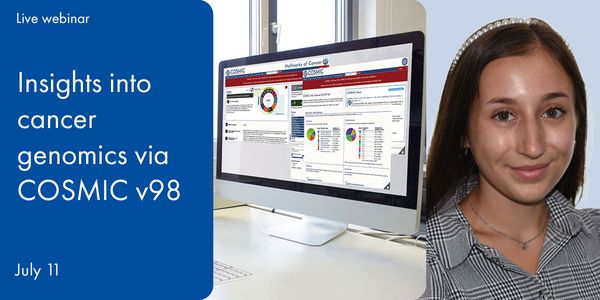
Our understanding of cancer mechanisms, genetics and complexities continues to expand rapidly. Without a streamlined, standardized and easy to understand organizational system to keep track...
SEP 15, 2022 | 9:00 AM
Date: September 15, 2022 Time: 9:00am (PDT), 12:00pm (EDT), 6:00pm (CEST) Tyrosine kinases, a ubiquitous and diverse family of enzymes, are of considerable clinical interest because they dir...
JUN 30, 2022 | 9:00 AM
Date: June 30, 2022 Time: 9:00am (PDT), 12:00pm (EDT), 6:00pm (CEST) Subclinical acute rejection (SubAR) is a significant risk for kidney transplant recipients, affecting 1 in 4 patients. Ea...
DEC 07, 2021 | 8:00 AM
Date: November 7, 2021 Time: 8:00am (PDT), 11:00am (EDT) Analysis of SARS-CoV-2–specific T cells is important to understand their role during acute disease and in long-term protection...
SEP 17, 2021 | 12:00 PM

Date: September 16, 2021 Time: 9:00pm (PDT), 12:00am (EDT) 3D cellular models like organoids and spheroids offer an opportunity to better understand complex biology in a physiologically rele...
SEP 08, 2021 | 12:00 AM

The Human Microbiome Project was conceived almost 15 years ago, as an extension of the Human Genome Project, to explore the diversity of human-associated microorganisms at multiple body site...
JUN 09, 2021 | 8:00 AM
DATE: June 9, 2021 TIME: 8:00am PDT Analyzing antigen-specific T cells is essential to understand fundamental immunological processes in the contexts of immuno-oncology, infectious dise...
OCT 15, 2020 | 9:00 AM
Date: October 15, 2020 Time: 9:00am (PDT), 12:00pm (EDT) Renal transporters play an important role in potential clinical drug-drug interactions (DDIs) as highlighted in the FDA, EMA and PMDA...
SEP 10, 2020 | 11:00 AM

Learning Objectives: 1. Understand the challenges of extracting DNA from human samples for microbiome analysis, and learn about the best technologies for accomplishing this 2. Learn about pr...
AUG 11, 2020 | 9:00 AM
DATE: August 11, 2020 TIME: 8:00am PDT The goal of TB elimination, less than 1 case per million people per year, can only be achieved through a concerted effort to detect and treat persons i...
AUG 07, 2020 | 10:30 AM

A career in science journalism may not be what you think. This talk is more than a rehash of one writer's career path (though there is a little of that). It explains where the majority o...
AUG 06, 2020 | 11:30 AM
Most researchers are curious about how to communicate their science to the media, yet they may also be worried that they'll be misquoted or misrepresented in an article. In an age where...