 Follow
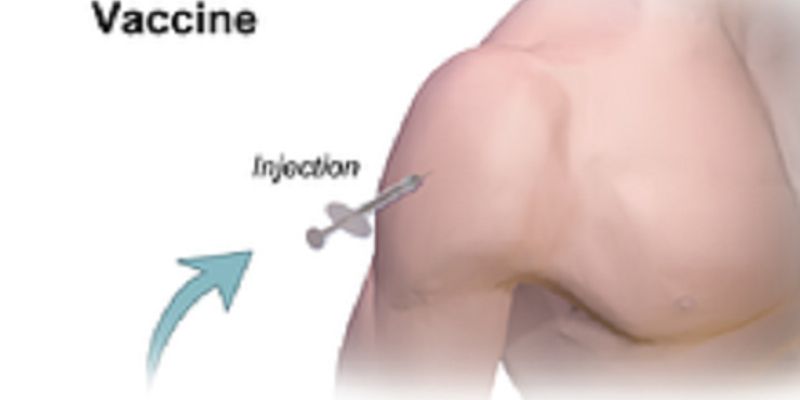
Vaccine
Vaccine: a substance used to stimulate the production of antibodies and provide immunity against one or several diseases, prepared from the causative agent of a disease, its products, or a synthetic substitute, treated to act as an antigen without inducing the disease. A vaccine typically contains an agent that resembles a disease-causing microorganism and is often made from weakened or killed forms of the microbe, its toxins or one of its surface proteins. The agent stimulates the body's immune system to recognize the agent as a threat, destroy it, and recognize and destroy any of these microorganisms that it later encounters.
July 29, 2025 | 9:00 AM (PDT), 12:00 PM (EDT)

For Research Use Only. Not for use in diagnostic procedures. The purification of plasmid DNA (pDNA) is essential in molecular biology research. Over the years, plasmid DNA isolation technolo...
MAR 18, 2025 | 9:00 AM

For Research Use Only. Not for use in diagnostic procedures. The purification of plasmid DNA (pDNA) is essential in molecular biology research. Over the years, plasmid DNA isolation technolo...
OCT 02, 2024 | 2:00 PM
C.E. CREDITS

Learning Objectives 1. Discuss Neoantigen Mechanisms: Gain a comprehensive understanding of the mechanisms by which neoantigens are generated and recognized by the immune system, including t...
JUN 25, 2024 | 9:00 AM
C.E. CREDITS

Cytomegalovirus (CMV) is a ubiquitous infection and congenital CMV (cCMV) infection is the most common non-genetic cause of hearing loss in infants and children. However, most pregnant women...
APR 30, 2024 | 3:00 PM

In light of the numerous US FDA-approved humanized monoclonal antibodies (mAbs) for cancer immunotherapy, it is surprising that the advancement of B-cell epitope vaccines designed to elicit...
APR 30, 2024 | 6:00 AM

In the field of tumor immunotherapy, cancer vaccines are designed to help the immune system recognize and attack cancer cells. More efforts are needed to identify neoantigens, develop combin...
APR 03, 2024 | 1:00 PM

mRNA vaccines represent a pivotal innovation in prophylactic healthcare, offering a rapid response to emerging infectious diseases. Leveraging the cellular machinery to produce antigenic pro...
JAN 24, 2024 | 9:00 AM
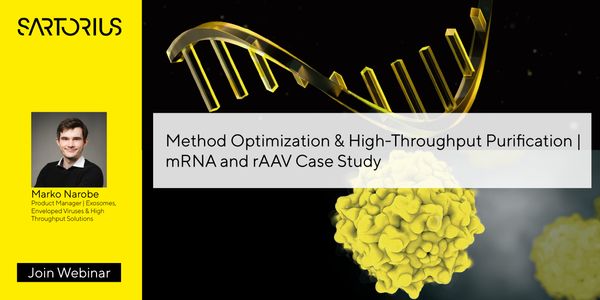
The downstream processing of virus particles, vesicles, RNAs, plasmids and other forms of DNA, contains multiple interdependent steps, each requiring optimization for best results. This webi...
DEC 14, 2023 | 10:00 AM
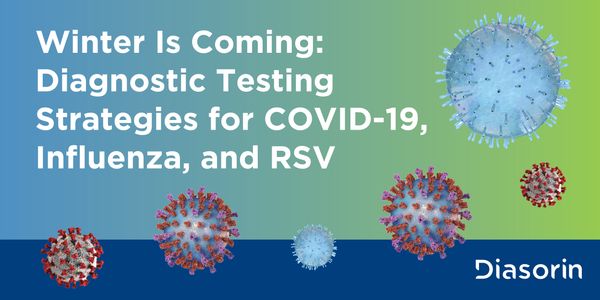
Over the course of the COVID-19 pandemic, there has been a dramatic increase in the number and type of diagnostic tests for respiratory viruses. These include targeted molecular assays, smal...
DEC 07, 2023 | 10:00 AM
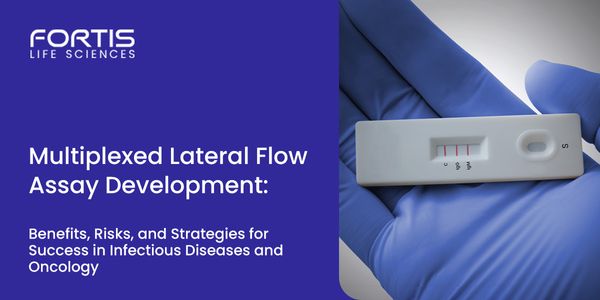
Lateral flow assay applications have become increasingly diverse in a post-pandemic world, and the areas of infectious disease and oncology continue to be at the forefront. In both areas, th...
OCT 24, 2023 | 8:00 AM
To bring your cutting-edge cell and gene therapies to the patients that need them as quickly as possible, you need access to the most knowledgeable scientists, innovative technologies, metho...
OCT 12, 2023 | 6:00 AM
Acute coughing is one of the most common reasons for consulting in primary care thus driving considerable antibiotic use and health-care costs. Currently, identification of microbial etiolog...
OCT 04, 2023 | 1:30 PM
Neoantigen vaccines are a type of personalized cancer vaccine. While clinical trials have shown promising results, it is important to note that neoantigen vaccines are still in the early sta...
On Demand

Neoantigens are peptides derived from patient-specific and tumor-specific mutations, which can be recognized by the immune system and mediate tumor recognition that leads to immune destructi...
SEP 14, 2023 | 8:00 AM
Flow cytometry plays a crucial role in the rapidly growing field of cell therapy, this method is used to identify different types of cells throughout the manufacturing process, from initial...
SEP 06, 2023 | 10:30 AM

Human respiratory syncytial virus (RSV) remains a significant public health concern, particularly for vulnerable populations such as infants, young children, and immunocompromised individua...