 Follow
Cancer
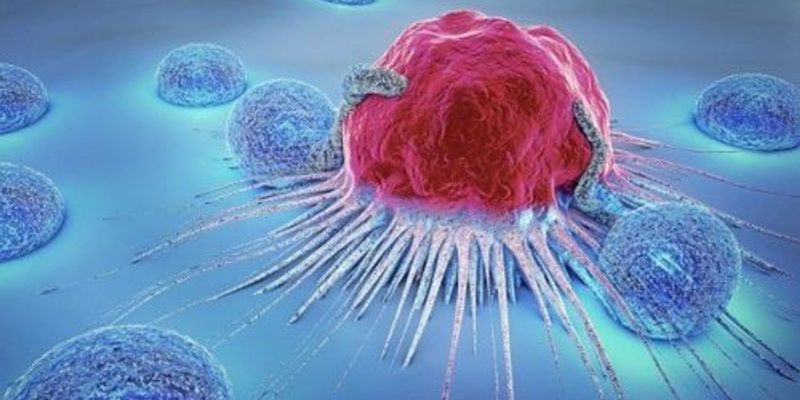
Cancer: is a disease in which abnormal cells divide uncontrollably and destroy body tissue. Cancerous tumors are malignant, which means they can spread into, or invade, nearby tissues.

NOV 08, 2023 | 8:00 AM
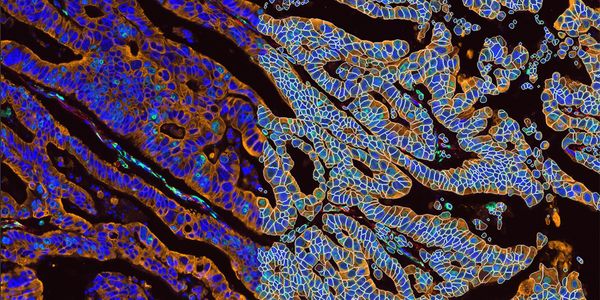
Generating Insights into tissue microenvironments is crucial to our understanding of normal and abnormal tissue development such as during cancer progression. Spatial biology methods using m...
NOV 08, 2023 | 7:30 AM

Numerous studies have shown that homologous recombination deficiency (HRD) is a genome-wide biomarker present in high grade ovarian and breast cancers. A cancer therapeutic class, PARP inhib...
NOV 07, 2023 | 10:00 AM
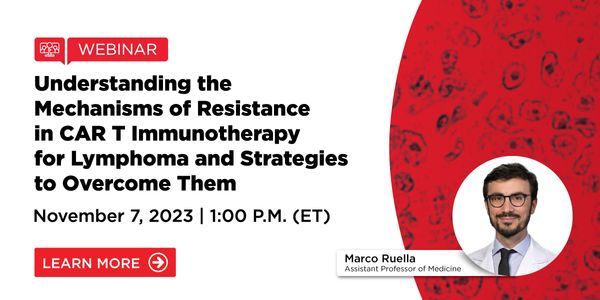
In the last 5 years, the US Food and Drug Administration has approved 4 anti-CD19 chimeric antigen receptor T cell (CART19) products for relapsed/refractory B cell lymphomas and leukemia. Ho...
NOV 01, 2023 | 8:00 AM
To bring your cutting-edge cell and gene therapies to the patients that need them as quickly as possible, you need access to the most knowledgeable scientists, innovative technologies, metho...
On Demand

CRISPR-based diagnostics offer rapid and highly sensitive detection of disease biomarkers. Their ease of use and compatibility with lateral-flow readouts make them suitable for point-of-care...
On Demand

Molecular diagnostics based on clustered regularly interspaced short palindromic repeats (CRISPR) enzyme systems have been the subject of intense research....
OCT 31, 2023 | 12:00 PM

Gynecologic cancers account for nearly 40% of all cancer incidence and >30% of all cancer mortality in women worldwide. In recent years, there have been significant advancements in the cl...
OCT 30, 2023 | 8:00 PM
Description: Join this two-part webinar to learn how capillary electrophoresis (CE) complements sequencing technologies, such as next generation sequencing, that are being used by cancer res...
OCT 26, 2023 | 8:00 AM
Description: Join this two-part webinar to learn when capillary electrophoresis is an ideal choice relative to other various sequencing technologies – such as next generation sequencin...
OCT 26, 2023 | 8:00 AM
In the era of advanced biotechnology, automation plays a crucial role in accelerating cancer research. Next-generation sequencing (NGS) technology has revolutionized cancer research, but lab...
OCT 25, 2023 | 8:30 PM
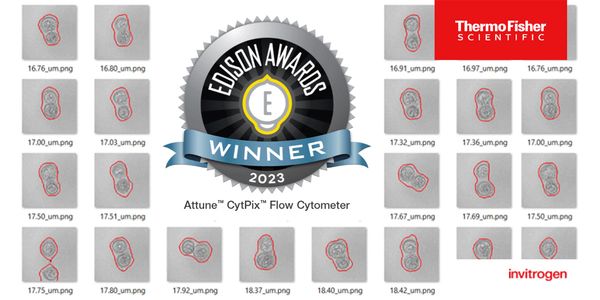
The CytPix is a flow cytometer that can simultaneously collect fluorescence data and high-resolution brightfield images of individual cells. This allows to better understand the morphology o...
OCT 25, 2023 | 10:00 AM
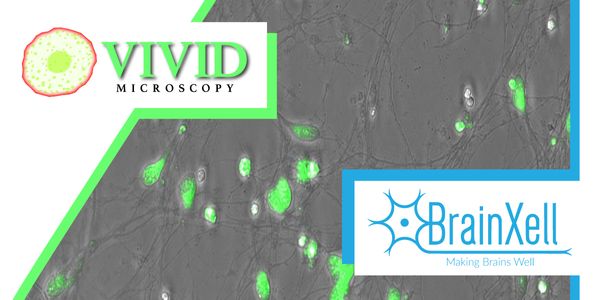
Oxidative stress, a critical factor affecting cell health, has gained prominence in assessing various medical conditions. Given this importance, researchers need a wide range of tools to tho...
OCT 25, 2023 | 8:00 AM
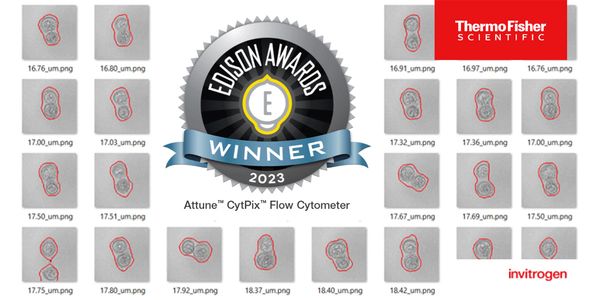
The CytPix is a flow cytometer that can simultaneously collect fluorescence data and high-resolution brightfield images of individual cells. This allows to better understand the morphology o...
OCT 24, 2023 | 9:00 PM
This webinar is hosted by Thermo Fisher Scientific in collaboration with the Walter and Eliza Hall Institute of Medical Research (WEHI). The webinar aims to demonstrate the benefits of the E...
OCT 24, 2023 | 9:00 AM

DNA comprises molecular information stored in genetic and epigenetic bases, both of which are vital to our understanding of biology in health and disease. The interaction of genetics with th...
OCT 18, 2023 | 9:00 AM
In this webinar, Jenny Meredith, Ph.D., HCLD(ABB), Clinical Microbiology Director at Prisma Health-Upstate joins forces with Sara Ezra, Molecular Supervisor at Pathology Consultants (subsidi...
OCT 12, 2023 | 9:00 AM

Multicolor flow cytometry is beneficial because it allows us to gain deeper insights from a given biological sample, with fewer repeat markers in each tube and quicker results. In this three...
OCT 12, 2023 | 8:00 AM
Patient-derived tumoroids, also known as cancer organoids, hold potential as cost-effective models for cancer immunotherapy research. Patient-derived tumor models, which mimic the tumor micr...
OCT 11, 2023 | 9:00 PM
Epigenetic modifications such as DNA methylation have long shown promise as potential biomarkers to diagnose and guide treatment of many human diseases, including multiple types of cancers....
OCT 10, 2023 | 10:00 AM

For patients with advanced non-small cell lung cancer (NSCLC), tissue samples are typically small biopsies. These samples undergo standard of care evaluation for >10 biomarkers to identif...
OCT 10, 2023 | 9:00 AM
Numerous studies have shown that homologous recombination deficiency (HRD) is a genome-wide biomarker present in high grade ovarian and breast cancers. A cancer therapeutic class, PARP inhib...
OCT 10, 2023 | 1:00 AM
Numerous studies have shown that homologous recombination deficiency (HRD) is a genome-wide biomarker present in high grade ovarian and breast cancers. A cancer therapeutic class, PARP inhib...
OCT 05, 2023 | 10:30 AM

Hematuria (blood in urine) may occur in up to 10% of the general population and results in costly evaluation to ensure it is of no consequence, i.e., no bladder cancer (BCa) is present since...
On Demand
Molecular diagnostics based on clustered regularly interspaced short palindromic repeats (CRISPR) enzyme systems have been the subject of intense research....