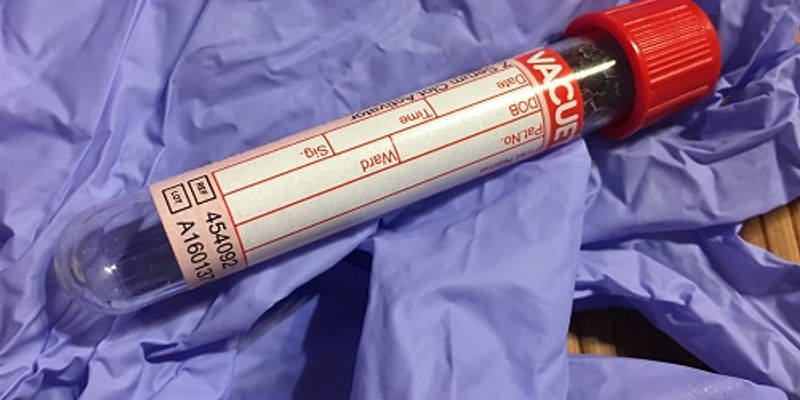
Clinical Chemistry: Clinical chemistry uses chemical processes to measure levels of chemical components in body fluids. The most common specimens tested in clinical chemistry are blood and urine. Many different tests exist to test for almost any type of chemical component in blood or urine. Components may include blood glucose, electrolytes, enzymes, hormones, lipids (fats), other metabolic substances, and proteins.

Recent advances in DNA sequencing and omics-based capabilities are revealing incredible therapeutic opportunities and quickly transforming drug discovery. Molecularly targeted drugs aim to e...
DATE: February 14, 2020 TIME: 10:00am PT, 1:00pm ET Separation challenges arise in the lab on a daily basis and you rely on a broad analytical toolset to help solve them. In this presentatio...
DATE: January 30, 2020 TIME: 9:00am PST, 12:00pm EST Recent advances in in vitro 3D cellular culture technologies, such as organoids, rapidly developed and established novel, more physiologi...
DATE: January 15, 2020 TIME: 10:00am PST Genomics, personalized medicine and cost stewardship are just a few of the forces behind the need for better management of discrete testing informati...
Fecal elastase-1 – a biomarker for pancreatic exocrine insufficiency(EPI) continues to gain traction as an ideal biomarker for assessing EPI. This presentation will include a review of...
“The poor translatability of early-stage preclinical models is a major setback in oncology drug development. Immortalized cell lines, that are extensively used in drug screens, undergo...
Learning Objectives: 1. Describe the exposure response relationships with vancomycin and acute kidney injury 2. Define biomarkers that may be useful to improve Precision Dosing...
Microphysiological systems (MPS), also known as organ-on-chips, are small scale in vitro cell cultures which mimic facets of tissue or organ level function. MPS frequently utilise primary hu...
The dopamine D4 receptor (D4R) is enriched in the prefrontal cortex where it plays important roles in cognition, attention, decision making and executive function. Novel D4R-selective ligand...
The aim of the lecture is to give an insight into the use of 3D liver micro tissues (3D liMTs) in drug discovery and translational safety. In translational toxicology, 3D LiMTs have a high i...
The OrganoPlate is a microtiterplate based Organ-on-a-Chip platform for high throughput drug safety and efficacy screening. It contains up to 96 cell culture chambers that allow co-culture o...

The use of primary cells in vitro is compromised by the limited quantity of cells that can be isolated from one donor, a lack of or very restricted proliferation capacity (e.g. hepatocytes)...
Accurate DNA replication is essential to transmit the genetic information from one generation to another. However, replication is frequently challenged by barriers that originate from exogen...
Non-alcoholic fatty liver disease (NAFLD) is the most common form of chronic liver disease in developed countries, and it affects over 25% of the population worldwide. Within the next five y...
Biomarkers are critical tools for all stages of cancer research, from drug development through clinical applications. Cancer is fundamentally a disease of unregulated cell growth and circumv...
Open Science has changed research by making data accessible and shareable, contributing to replicability to accelerate and disseminate knowledge. However, for rodent cognitive studies the av...
The liver plays a critical role in the metabolism and clearance of more than 70% of marketed drugs. Furthermore, toxicity to the liver is a major reason for preclinical and clinical drug fai...
With an increasing push to improve safety, efficacy, and efficiency throughout the drug development pipeline, researchers are evermore looking to improve the predictive capacity of their in...
DATE: December 18, 2019TIME: 10:00am PSTDavid is the Product Marketing Manager for Biosafety Cabinets at Labconco Corporation (Kansas City, MO). For several years, David has been involv...
DATE: December 17, 2019TIME: 9:00am PST, 12:00pm EST Purpose: Liver x receptors (LXRs) are hypothesized to serve as a link between lipid metabolism and inflammation by prom...
DATE: December 12, 2019TIME: 11:00am PST Primary immunodeficiency disorders continue to have delayed diagnoses and are commonly under diagnosed. Differentiating betw...
Recent advances in DNA sequencing and omics-based capabilities are revealing incredible therapeutic opportunities and quickly transforming drug discovery. Molecularly targeted drugs aim to e...
DATE: February 14, 2020 TIME: 10:00am PT, 1:00pm ET Separation challenges arise in the lab on a daily basis and you rely on a broad analytical toolset to help solve them. In this presentatio...
DATE: January 30, 2020 TIME: 9:00am PST, 12:00pm EST Recent advances in in vitro 3D cellular culture technologies, such as organoids, rapidly developed and established novel, more physiologi...
DATE: January 15, 2020 TIME: 10:00am PST Genomics, personalized medicine and cost stewardship are just a few of the forces behind the need for better management of discrete testing informati...
Fecal elastase-1 – a biomarker for pancreatic exocrine insufficiency(EPI) continues to gain traction as an ideal biomarker for assessing EPI. This presentation will include a review of...
“The poor translatability of early-stage preclinical models is a major setback in oncology drug development. Immortalized cell lines, that are extensively used in drug screens, undergo...
Learning Objectives: 1. Describe the exposure response relationships with vancomycin and acute kidney injury 2. Define biomarkers that may be useful to improve Precision Dosing...
Microphysiological systems (MPS), also known as organ-on-chips, are small scale in vitro cell cultures which mimic facets of tissue or organ level function. MPS frequently utilise primary hu...
The dopamine D4 receptor (D4R) is enriched in the prefrontal cortex where it plays important roles in cognition, attention, decision making and executive function. Novel D4R-selective ligand...
The aim of the lecture is to give an insight into the use of 3D liver micro tissues (3D liMTs) in drug discovery and translational safety. In translational toxicology, 3D LiMTs have a high i...
The OrganoPlate is a microtiterplate based Organ-on-a-Chip platform for high throughput drug safety and efficacy screening. It contains up to 96 cell culture chambers that allow co-culture o...

The use of primary cells in vitro is compromised by the limited quantity of cells that can be isolated from one donor, a lack of or very restricted proliferation capacity (e.g. hepatocytes)...
Accurate DNA replication is essential to transmit the genetic information from one generation to another. However, replication is frequently challenged by barriers that originate from exogen...
Non-alcoholic fatty liver disease (NAFLD) is the most common form of chronic liver disease in developed countries, and it affects over 25% of the population worldwide. Within the next five y...
Biomarkers are critical tools for all stages of cancer research, from drug development through clinical applications. Cancer is fundamentally a disease of unregulated cell growth and circumv...
Open Science has changed research by making data accessible and shareable, contributing to replicability to accelerate and disseminate knowledge. However, for rodent cognitive studies the av...
The liver plays a critical role in the metabolism and clearance of more than 70% of marketed drugs. Furthermore, toxicity to the liver is a major reason for preclinical and clinical drug fai...
With an increasing push to improve safety, efficacy, and efficiency throughout the drug development pipeline, researchers are evermore looking to improve the predictive capacity of their in...
DATE: December 18, 2019TIME: 10:00am PSTDavid is the Product Marketing Manager for Biosafety Cabinets at Labconco Corporation (Kansas City, MO). For several years, David has been involv...
DATE: December 17, 2019TIME: 9:00am PST, 12:00pm EST Purpose: Liver x receptors (LXRs) are hypothesized to serve as a link between lipid metabolism and inflammation by prom...
DATE: December 12, 2019TIME: 11:00am PST Primary immunodeficiency disorders continue to have delayed diagnoses and are commonly under diagnosed. Differentiating betw...