 Follow
Clinical Chemistry
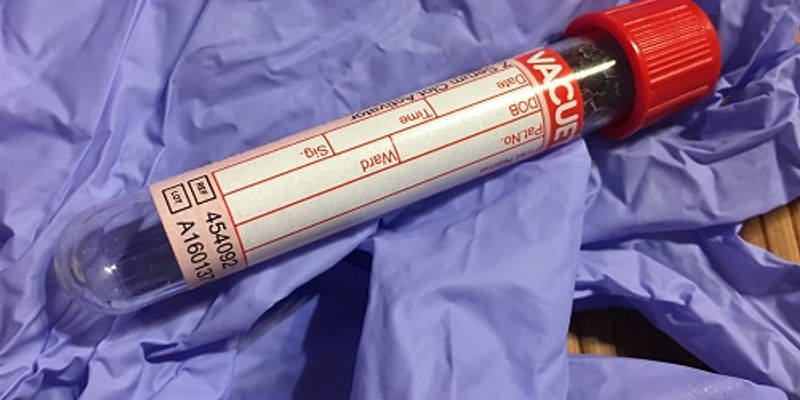
Clinical Chemistry: Clinical chemistry uses chemical processes to measure levels of chemical components in body fluids. The most common specimens tested in clinical chemistry are blood and urine. Many different tests exist to test for almost any type of chemical component in blood or urine. Components may include blood glucose, electrolytes, enzymes, hormones, lipids (fats), other metabolic substances, and proteins.

SEP 23, 2020 | 10:00 AM
DATE: September 23, 2020 TIME: 10:00am PT, 1:00pm ET Diagnostics, particularly blood cultures, play a key role in sepsis diagnosis. Best practices are well-known for collection, transport, a...
SEP 23, 2020 | 9:00 AM

Extracellular vesicles (EVs) are nanosized vesicles containing active proteins, lipids, and different types of genetic material such as non coding RNA species, related to the characteristics...
SEP 23, 2020 | 7:30 AM

Cell culture continues to be a critical tool for most life science research and applications. From HeLa to iPSCs and 3D to organoids, culture methods have become more advanced and techniques...
SEP 23, 2020 | 6:00 AM

MicroRNAs (miRs) are small non-coding RNAs whose expression is altered in several types of human cancers. Recent evidence supports their inter-cellular transfer through extracellular vesicle...
SEP 23, 2020 | 12:00 AM

Chronic kidney disease (CKD) is a global health threat, affecting over 10% of the world population, including an estimated 37 million Americans. Importantly, glomerular diseases account for...
SEP 23, 2020 | 12:00 AM

Reactive oxygen species (ROS) are well-known for their detrimental effects leading to oxidative stress, cell death, aging, and degenerative disorders. However, there is increasing evidence t...
SEP 23, 2020 | 12:00 AM
I will present our new computer vision algorithm, ST-Net, which can computationally synthesize spatially resolved transcriptomics directly from H&E histology images (He et al. Nature Bio...
SEP 23, 2020 | 12:00 AM

Learning Objectives: 1. Understand methods of isolating and enriching exosomes along with their pros/cons of the different techniques 2. What do we mean when we talk about subtyping, and wha...