 Follow
Clinical Chemistry
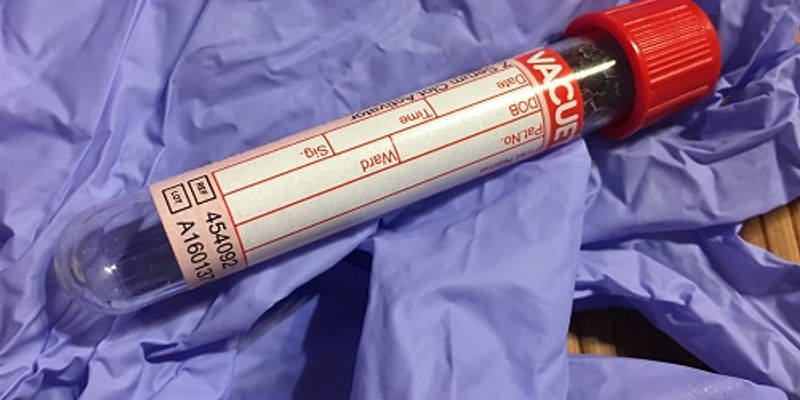
Clinical Chemistry: Clinical chemistry uses chemical processes to measure levels of chemical components in body fluids. The most common specimens tested in clinical chemistry are blood and urine. Many different tests exist to test for almost any type of chemical component in blood or urine. Components may include blood glucose, electrolytes, enzymes, hormones, lipids (fats), other metabolic substances, and proteins.
AUG 06, 2020 | 10:00 AM

Many experimental approaches rely on controlling gene expression in select subsets of cells within an individual animal. However, reproducibly targeting transgene expression to specific frac...
AUG 06, 2020 | 12:00 AM
Current cancer management follows a multipronged approach that include surgery, radiation, and chemotherapy. There is a pressing need for a platform technology to provide precision chemother...
AUG 06, 2020 | 12:00 AM
Many experimental approaches rely on controlling gene expression in select subsets of cells within an individual animal. However, reproducibly targeting transgene expression to specific frac...
JUL 29, 2020 | 5:00 PM

Over the last decade the cancer research field has seen a number of advances aimed at increasing the efficacy of treatments, reducing toxic side effects, and decreasing attrition rates of dr...
JUL 22, 2020 | 10:00 AM
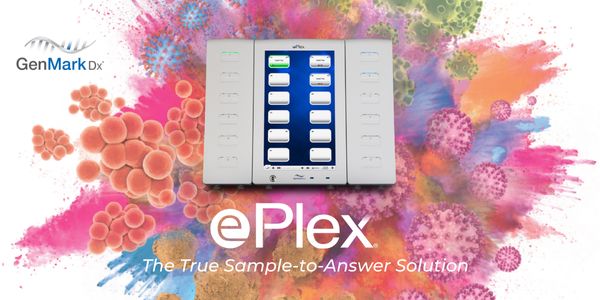
DATE: July 23, 2020 TIME: 10:00 am PDT The SARS-CoV-2 pandemic has taken a toll on many sectors of the medical community. As the pandemic took a grip on the laboratory, the need for diagnost...
JUL 15, 2020 | 9:00 AM

DATE: 15 Julio 2020 TIME: 11:00 COT, 09:00am PDT En esta conferencia tratamos de explorar el concepto profundo, holístico y existencial de la calidad , mucho más allá de...
JUL 08, 2020 | 11:00 PM
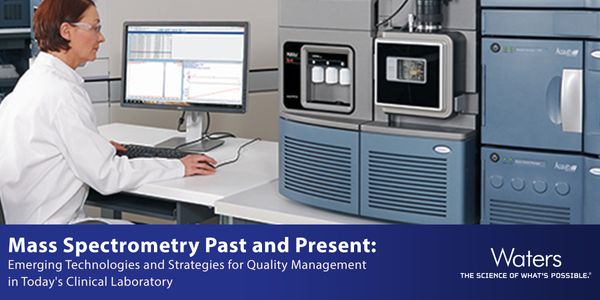
DATE: July 9, 2020 TIME: 2pm SGT, 3pm JST, 4pm AEST Mass Spectrometry (MS) has been an invaluable tool for physicists and basic chemists for over 100 years. It was not until around 30 to 40...
JUL 08, 2020 | 10:00 AM
DATE: July 8, 2020 TIME: 10:00 am PDT This seminar reviews clinical utility of adopting rapid IDH1/2 testing in both hematological and solid tumors and describes the adjusted workflow develo...
JUN 25, 2020 | 8:00 AM
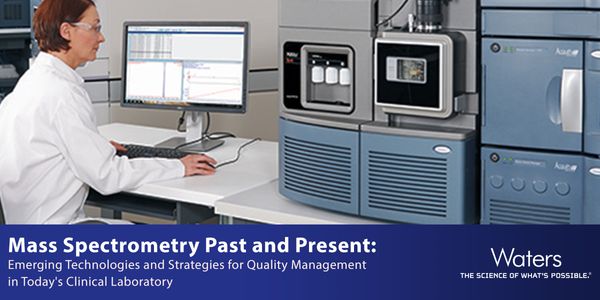
DATE: June 25, 2020 TIME: 8:00am PDT, 11:00am EDT, 4:00pm BST, 5:00pm CEST Mass Spectrometry (MS) has been an invaluable tool for physicists and basic chemists for over 100 years. It was not...
JUN 24, 2020 | 10:00 AM

DATE: June 24, 2020 TIME: 10:00am PT Does your work require you to freeze dry samples? Are your results inconsistent? Is your freeze dry cycle taking too long? Learn how to optimize your lyo...
JUN 24, 2020 | 9:00 AM
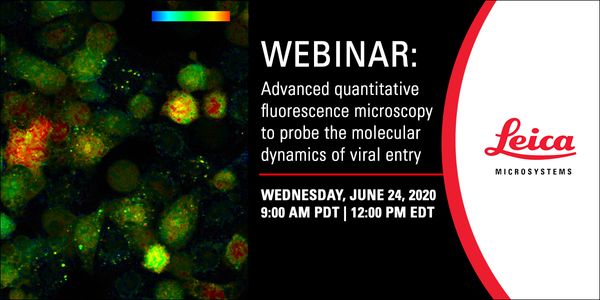
DATE: June 24, 2020 TIME: 9:00am PT, 12:00pm ET Some of the key factors in viral pathogenesis are the molecular mechanisms enabling viral entry into cells. Inhibitors of viral entry are ofte...
JUN 18, 2020 | 9:00 AM

DATE: June 18, 2020 TIME: 9:00am PDT, 12:00pm EDT Despite the success of immunotherapy against several malignancies including melanoma and lung adenocarcinoma, glioblastoma remains the excep...
JUN 18, 2020 | 7:00 AM

Safety and potency testing in the cannabis and hemp industries necessitates analytical systems that include chromatography, mass spectrometry, and real time quantitative polymerase chain rea...
JUN 17, 2020 | 1:30 PM

Understanding the complex interplay between a pathogen and the host response is important to developing effective vaccines and therapeutics. The nCounter® Analysis System and GeoMx®...
JUN 17, 2020 | 1:30 PM

The COVID-19 pandemic has resulted in over 7 million cases and more than 428000 cases to date. While public health interventions and social distancing measures have been effective in slowing...