 Follow
Pharmacology
Pharmacology: the branch of biology concerned with the study of drug action, where a drug can be broadly defined as any man-made, natural, or endogenous molecule which exerts a biochemical or physiological effect on the cell, tissue, organ, or organism. More specifically, it is the study of the interactions that occur between a living organism and chemicals that affect normal or abnormal biochemical function. If substances have medicinal properties, they are considered pharmaceuticals.

APR 05, 2022 | 9:00 AM
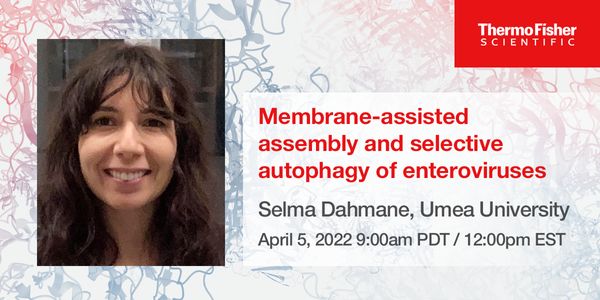
Date: April 5, 2022 Time: 9:00am (PDT), 12:00pm (EDT), 6:00pm (CEST) Enteroviruses are non-enveloped positive-sense RNA viruses that cause diverse diseases...
MAR 23, 2022 | 10:30 AM

As another psychedelic renaissance begins to take flight, it seems that myths and misconceptions rise to meet it. As a molecular pharmacologist studying cannabinoids and psychedelics with tr...
MAR 10, 2022 | 1:30 PM
Neuropore Therapies is discovering and developing novel small molecule disease-modifying therapeutics to treat patients with neurodegenerative diseases, including Parkinson’s disease a...
FEB 23, 2022 | 11:55 PM

Adhesion G protein-coupled receptors (aGPCRs) are an ancient class of receptors that represent some of the largest transmembrane-integrated proteins in humans. Besides classic features of GP...
FEB 23, 2022 | 11:55 PM

The explosion of biomedical data such as in genomics, structure biology and pharmacology can provide new opportunities to improve our understanding of human physiology and disease. Understan...
FEB 23, 2022 | 7:30 AM

Receptors that respond to hormones, neurotransmitters, chemokines and growth factors traffic to the cell surface where they are activated by ligands and signal via coupling to molecules such...
DEC 15, 2021 | 11:00 AM
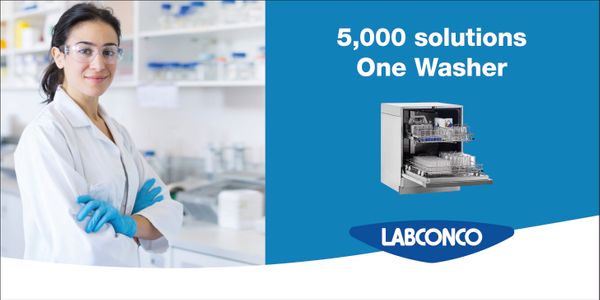
Date: December 15, 2021 Time: 11:00am (PST), 2:00pm (EST) Glassware washers (GWW) serve two important roles in today's dynamic laboratory environment. First, by automating a routine task...
DEC 08, 2021 | 7:00 AM
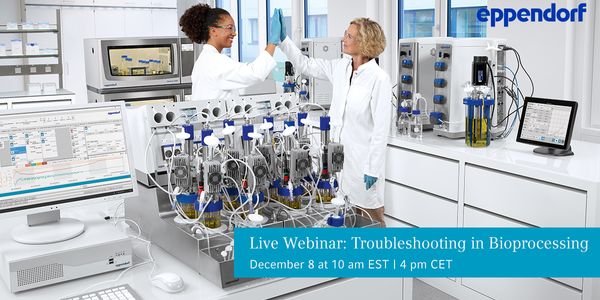
Date: December 08, 2021 Time: 7:00am (PDT), 10:00am (EDT) Successful bioprocessing is complex and depends on many factors. From the selection of the expression host, media composition, the p...
NOV 09, 2021 | 11:00 AM
Date: November 09, 2021 Time: 11:00am (PDT), 02:00pm (EDT) Clinical translation of human pluripotent stem cells (hPSCs) requires advanced strategies that ensure safe and robust long-term gro...
NOV 03, 2021 | 7:00 AM
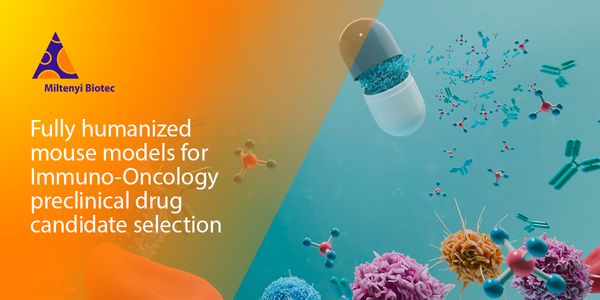
Date: November 3, 2021 Time: 7:00am (PDT), 10:00am (EDT) The reconstitution of a fully functional human immune system in mouse after engraftment of purified hCD34+ hematopoietic cells provid...
OCT 20, 2021 | 9:00 AM
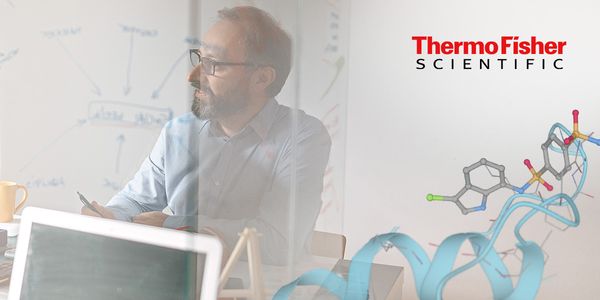
Date: October 20, 2021 Time: 9:00am PDT Cryo-electron microscopy (cryo-EM) is rapidly evolving to be the primary tool for structure determination of membrane proteins. However, generation of...
SEP 22, 2021 | 7:30 AM

Date: September 16, 2021 Time: 8:00am (PDT), 11:00am (EDT) Rapid screening and speed of scale-up in protein therapeutics are critical factors in today’s biotech and pharma workflows. T...
SEP 16, 2021 | 8:00 AM
Date: September 16, 2021 Time: 8:00am (PDT), 11:00am (EDT) Rapid screening and speed of scale-up in protein therapeutics are critical factors in today’s biotech and pharma workflows. T...
SEP 14, 2021 | 7:00 AM

Date: September 14, 2021 Time: 7am PDT, 10am EDT, 4pm CEST A conventional thermal cycler has long been a commodity product in the lab and end-point PCR techniques can be completed almost wit...
AUG 25, 2021 | 1:30 PM

In this preliminary experiment, we used spatial transcriptomics to assess the gene expression profiles of microglia or astrocytes in relation to their distance from plaques. We compared 18-m...
AUG 25, 2021 | 10:30 AM

In 1910, Harrison published the first report of frog embryonic sympathetic ganglia grown in hanging drops of lymph for a few days, where single neurons extended nerve fibers with complex gro...