Therapy: is the attempted remediation of a health problem, usually following a diagnosis. In the medical field, it is usually synonymous with treatment.

DATE: Date needed, 2020 TIME: Time needed Exosomes are a population of naturally occurring mobile, membrane-limited, 30 – 100 nm in diameter, extracellular vesicles containing a large...
Learning Objectives: 1. Discuss the disease state model of substance use disorder 2. Discuss the evidence surrounding common misconceptions regarding substance use disorder...
DATE: November 4th, 2020 TIME: 11:00am PST As cell therapies become more complex, the need for robust analytical tools to characterize such products as they enter the clinic has increased in...
Date: November 4, 2020 Time: 6:00am (PDT), 9:00am (EDT) The Global Scar Society was formed to gain consensus for and promote best practice in the prevention and treatment of abnormal & e...
Date: October 28, 2020 Time: 7:00am (PDT), 10:00am (EDT) Although chemotherapy remains the mainstay of systemic therapy, a large number of cancer patients fail to respond to it. About half o...
The treatment of cancer has remarkably improved because of increased knowledge of the molecular abnormalities that drive human cancer growth. This has led to the development of ever more eff...
High grade serous ovarian cancer is characterized by genomic instability, with ~50% of advanced tumors harboring homologous recombination repair (HRR) pathway deficiency (HRD). HRD results i...
There is an expanding list of therapeutically relevant biomarkers for non-small cell lung cancer (NSCLC), and molecular profiling at diagnosis is paramount. Tissue attrition in scaling tradi...
DATE: October 20th, 2020 TIME: 08:00am PT, 11:00am ET Tumor-associated macrophages (TAMs) are key cells in the tumor microenvironment (TME) with diverse immune functions that have a major in...
While circulating cell-free DNA (ccfDNA) and to some extend CTCs from blood are routinely used as analyte in liquid biopsy cancer research applications, circulating cell-free RNA (ccfRNA) ha...
Soluble cytokine biomarkers are the master regulators of cell-to-cell communication-- the means by which one cell tells another what to do or where to go. Determining the biomarker signature...
Multiplex detection of oncogenic mutations using LNA-based assays on the QIAcuity digital PCR system Digital PCR (dPCR) enables specific and sensitive detection of genetic alterations in onc...
The continued rapid expansion of immunotherapies, including both in vivo and ex vivo therapeutics, has driven the development and adoption of novel tools to study, asses and understand these...
Martin highlights various factors impacting molecular analysis from FFPE samples and key challenges and considerations while working with this precious yet challenging sample type. Learning...
Antibodies have become one of the most important tools in life science research, allowing the detection, quantitation, and determination of changes in proteins and other molecules with respe...
Immunohistochemistry (IHC) is used to determine spatial relationships where we can identify the localization of target proteins in specific regions and cells of a tissue. IHC has been the go...
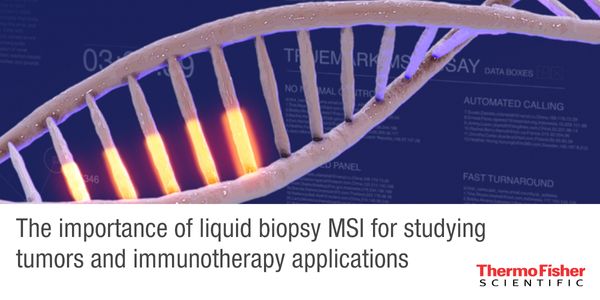
DATE: October 8, 2020 TIME: 1:00pm PDT Microsatellite instability (MSI) has evolved as a marker of potential hereditary cancer risk and is now a tissue agnostic immune biomarker with a broad...
Mutations in the epidermal growth factor receptor gene (EGFR) and the known Kirsten rat sarcoma viral oncogene (KRAS) are significant drivers in the development of non-small-cell lung cancer...
DATE: Date needed, 2020 TIME: Time needed Exosomes are a population of naturally occurring mobile, membrane-limited, 30 – 100 nm in diameter, extracellular vesicles containing a large...
Learning Objectives: 1. Discuss the disease state model of substance use disorder 2. Discuss the evidence surrounding common misconceptions regarding substance use disorder...
DATE: November 4th, 2020 TIME: 11:00am PST As cell therapies become more complex, the need for robust analytical tools to characterize such products as they enter the clinic has increased in...
Date: November 4, 2020 Time: 6:00am (PDT), 9:00am (EDT) The Global Scar Society was formed to gain consensus for and promote best practice in the prevention and treatment of abnormal & e...
Date: October 28, 2020 Time: 7:00am (PDT), 10:00am (EDT) Although chemotherapy remains the mainstay of systemic therapy, a large number of cancer patients fail to respond to it. About half o...
The treatment of cancer has remarkably improved because of increased knowledge of the molecular abnormalities that drive human cancer growth. This has led to the development of ever more eff...
High grade serous ovarian cancer is characterized by genomic instability, with ~50% of advanced tumors harboring homologous recombination repair (HRR) pathway deficiency (HRD). HRD results i...
There is an expanding list of therapeutically relevant biomarkers for non-small cell lung cancer (NSCLC), and molecular profiling at diagnosis is paramount. Tissue attrition in scaling tradi...
DATE: October 20th, 2020 TIME: 08:00am PT, 11:00am ET Tumor-associated macrophages (TAMs) are key cells in the tumor microenvironment (TME) with diverse immune functions that have a major in...
While circulating cell-free DNA (ccfDNA) and to some extend CTCs from blood are routinely used as analyte in liquid biopsy cancer research applications, circulating cell-free RNA (ccfRNA) ha...
Soluble cytokine biomarkers are the master regulators of cell-to-cell communication-- the means by which one cell tells another what to do or where to go. Determining the biomarker signature...
Multiplex detection of oncogenic mutations using LNA-based assays on the QIAcuity digital PCR system Digital PCR (dPCR) enables specific and sensitive detection of genetic alterations in onc...
The continued rapid expansion of immunotherapies, including both in vivo and ex vivo therapeutics, has driven the development and adoption of novel tools to study, asses and understand these...
Martin highlights various factors impacting molecular analysis from FFPE samples and key challenges and considerations while working with this precious yet challenging sample type. Learning...
Antibodies have become one of the most important tools in life science research, allowing the detection, quantitation, and determination of changes in proteins and other molecules with respe...
Immunohistochemistry (IHC) is used to determine spatial relationships where we can identify the localization of target proteins in specific regions and cells of a tissue. IHC has been the go...
DATE: October 8, 2020 TIME: 1:00pm PDT Microsatellite instability (MSI) has evolved as a marker of potential hereditary cancer risk and is now a tissue agnostic immune biomarker with a broad...
Mutations in the epidermal growth factor receptor gene (EGFR) and the known Kirsten rat sarcoma viral oncogene (KRAS) are significant drivers in the development of non-small-cell lung cancer...