Therapy: is the attempted remediation of a health problem, usually following a diagnosis. In the medical field, it is usually synonymous with treatment.
Multiplexed immunofluorescent imaging sheds new light on cancer and other complex conditions. This imaging technique offers a deeper understanding of cells and their surroundings by providin...
Immune checkpoint blockade has revolutionized the treatment for patients with cancer. Great efforts remain to better understand resistant mechanisms to treatment as well as means to improve...
Cancer cells can acquire immune resistance resulting in a loss of immunosurveillance. Tumor cells can upregulate PDL-1 which binds to PD-1. This complex inhibits CD8 Tumor Infiltrating cells...
Cancer initiation and virulence depends on mechanisms to evade host immunosurveillance and suppression of early invasion and growth. Distinct phenotypes of the immune infiltrates in and arou...
Dr. Koenitzer will present an overview of her current research in immune suppression. After a brief introduction to the MILLIPLEX® multiplex immunoassay portfolio, Dr. Koenitzer will dis...
Immune checkpoint therapies targeting the CTLA-4 and PD-(L)1 pathways have been largely clinically disappointing for patients with prostate cancer. This can be attributed to the highly immun...
B cells have recently come into vogue as important contributors to the anti-tumor immune response in cancer patients. Specifically, B cells and the immune structures in which they reside (te...
One of the main challenges in cancer immunotherapy is the resistance to I-O therapies. Primary resistance can occur before treatment and acquired resistance can occur in patients who respond...
Learning Objectives: 1. Define applications of approved and experimental (multiplexing IF) biomarker assessment in Immuno-Oncology 2. Define bottlenecks and areas of improvement to current t...
Platinum-based chemotherapy has been the cornerstone for treating metastatic urothelial cancer, which compromises the majority of bladder cancer. While urothelial cancer is chemosensitive, p...
Programmed death-1 (PD-1) inhibits T and B cell function upon ligand binding. PD-1 blockade revolutionized cancer treatment, and while numerous patients respond, some develop autoimmune-like...
NCI estimates that cancer will be the leading cause of death in 2030, worldwide. Checkpoint inhibitors and adoptive cell therapies (ACTs) cost up to ~$2 million/patient and have shown durabl...
1. Identify 3 barriers to immune cell response to cancer 2. List 3 approaches to overcome immunosuppressive barriers to bolster the immune response to cancer 3. Explain how fusion proteins c...
DATE: June 2, 2020 TIME: 9:00am PT, 12:00pm ET Osmolality is a well-established parameter for upstream bioprocessing, formulation, analytical development and QC applications throughout the m...
DATE: June 2, 2020 TIME: 7:00am PT, 10:00am ET In just a few months COVID-19 has risen from a regional crisis to a global threat, and drug makers are now scrambling to develop vaccines aimed...
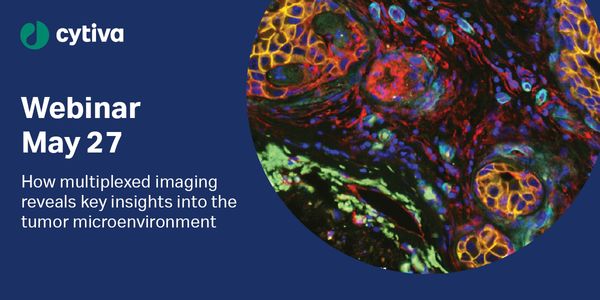
DATE: May 27, 2020 TIME: 8:00am PT, 11:00am ET Multiplexed immunofluorescent imaging sheds new light on cancer and other complex conditions. This imaging technique offers a deeper understand...
DATE: May 21, 2020 TIME: 8:00am PDT, 11:00am EDT The advent of CRISPR has radically changed the face and pace of biological research and has unlocked unprecedented potential in the study of...
Background: Acute myeloid leukemia (AML) is a molecularly and clinically heterogeneous hematological malignancy. Despite recent advancements in the treatment of AML, approximately 50% of pat...
Personalized medicine has beomce a paradigm in lung cancer management; ~ 25–30% of advanced lung cancer patients could benefit from a targeted therapy. Several guidelines currently end...
Background: CDK4/6 inhibitors increase tumor immunogenicity in preclinical models of breast cancer and several trials combining CDK4/6 inhibitors and anti-PD1/PDL1 therapies are underway. Ho...
Metastatic prostate cancer (mPC) is a phenotypically diverse disease with poor responses to immune based therapeutics. Development of immunotherapeutic strategies for mPC is hampered by the...
Precision medicine is the paradigm to develop treatments for patients based on molecular-targets that are effective in vivo when administered. In addition to identifying the molecular and ce...
The spread of severe acute respiratory syndrome coronavirus 2 (SARS CoV2), changed the daily life of medical oncologists. To keep safe both patients and healthy workers is the most important...
Multiplexed immunofluorescent imaging sheds new light on cancer and other complex conditions. This imaging technique offers a deeper understanding of cells and their surroundings by providin...
Immune checkpoint blockade has revolutionized the treatment for patients with cancer. Great efforts remain to better understand resistant mechanisms to treatment as well as means to improve...
Cancer cells can acquire immune resistance resulting in a loss of immunosurveillance. Tumor cells can upregulate PDL-1 which binds to PD-1. This complex inhibits CD8 Tumor Infiltrating cells...
Cancer initiation and virulence depends on mechanisms to evade host immunosurveillance and suppression of early invasion and growth. Distinct phenotypes of the immune infiltrates in and arou...
Dr. Koenitzer will present an overview of her current research in immune suppression. After a brief introduction to the MILLIPLEX® multiplex immunoassay portfolio, Dr. Koenitzer will dis...
Immune checkpoint therapies targeting the CTLA-4 and PD-(L)1 pathways have been largely clinically disappointing for patients with prostate cancer. This can be attributed to the highly immun...
B cells have recently come into vogue as important contributors to the anti-tumor immune response in cancer patients. Specifically, B cells and the immune structures in which they reside (te...
One of the main challenges in cancer immunotherapy is the resistance to I-O therapies. Primary resistance can occur before treatment and acquired resistance can occur in patients who respond...
Learning Objectives: 1. Define applications of approved and experimental (multiplexing IF) biomarker assessment in Immuno-Oncology 2. Define bottlenecks and areas of improvement to current t...
Platinum-based chemotherapy has been the cornerstone for treating metastatic urothelial cancer, which compromises the majority of bladder cancer. While urothelial cancer is chemosensitive, p...
Programmed death-1 (PD-1) inhibits T and B cell function upon ligand binding. PD-1 blockade revolutionized cancer treatment, and while numerous patients respond, some develop autoimmune-like...
NCI estimates that cancer will be the leading cause of death in 2030, worldwide. Checkpoint inhibitors and adoptive cell therapies (ACTs) cost up to ~$2 million/patient and have shown durabl...
1. Identify 3 barriers to immune cell response to cancer 2. List 3 approaches to overcome immunosuppressive barriers to bolster the immune response to cancer 3. Explain how fusion proteins c...
DATE: June 2, 2020 TIME: 9:00am PT, 12:00pm ET Osmolality is a well-established parameter for upstream bioprocessing, formulation, analytical development and QC applications throughout the m...
DATE: June 2, 2020 TIME: 7:00am PT, 10:00am ET In just a few months COVID-19 has risen from a regional crisis to a global threat, and drug makers are now scrambling to develop vaccines aimed...
DATE: May 27, 2020 TIME: 8:00am PT, 11:00am ET Multiplexed immunofluorescent imaging sheds new light on cancer and other complex conditions. This imaging technique offers a deeper understand...
DATE: May 21, 2020 TIME: 8:00am PDT, 11:00am EDT The advent of CRISPR has radically changed the face and pace of biological research and has unlocked unprecedented potential in the study of...
Background: Acute myeloid leukemia (AML) is a molecularly and clinically heterogeneous hematological malignancy. Despite recent advancements in the treatment of AML, approximately 50% of pat...
Personalized medicine has beomce a paradigm in lung cancer management; ~ 25–30% of advanced lung cancer patients could benefit from a targeted therapy. Several guidelines currently end...
Background: CDK4/6 inhibitors increase tumor immunogenicity in preclinical models of breast cancer and several trials combining CDK4/6 inhibitors and anti-PD1/PDL1 therapies are underway. Ho...
Metastatic prostate cancer (mPC) is a phenotypically diverse disease with poor responses to immune based therapeutics. Development of immunotherapeutic strategies for mPC is hampered by the...
Precision medicine is the paradigm to develop treatments for patients based on molecular-targets that are effective in vivo when administered. In addition to identifying the molecular and ce...
The spread of severe acute respiratory syndrome coronavirus 2 (SARS CoV2), changed the daily life of medical oncologists. To keep safe both patients and healthy workers is the most important...

 Follow