 Follow
Brain
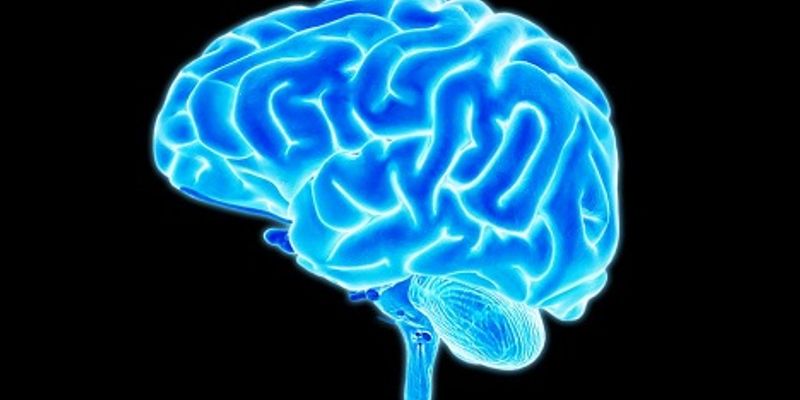
The brain: is the organ located in the head and serves as the center of the nervous system in all vertebrate. The brain is the most complex organ in a vertebrate's body and is close to the sensory organs for senses such as vision.



OCT 31, 2023 | 9:00 AM
Gene therapy holds potential for treating neurological diseases by delivering genetic information into specific cell types. However, selective and efficient targeting of cell types remains c...
OCT 24, 2023 | 8:00 AM
Organoids are three-dimensional (3D) multi-cellular, microtissues derived from stem cells that closely mimic the complex structure and functionality of human organs. They offer more accurate...
OCT 24, 2023 | 10:00 AM
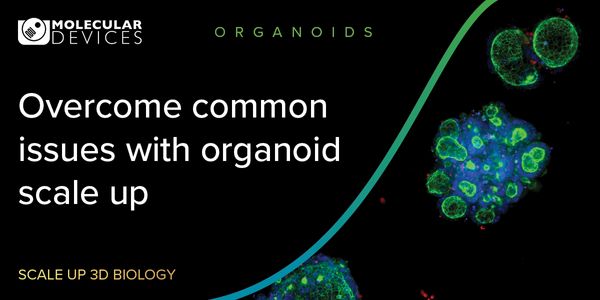
Organoids are three-dimensional (3D) multi-cellular, microtissues derived from stem cells that closely mimic the complex structure and functionality of human organs. They offer more accurate...
OCT 05, 2023 | 1:00 AM

Organoids continue to gain traction in drug discovery efforts as they offer a more biologically relevant disease model than traditional approaches. But they aren't without challenges. Jo...
On Demand

The elegant and well-orchestrated molecular players responsible for normal neurodevelopment harbor the capacity for detrimental repercussions if mis-expressed at the wrong time, or in the wr...
SEP 28, 2023 | 8:00 AM
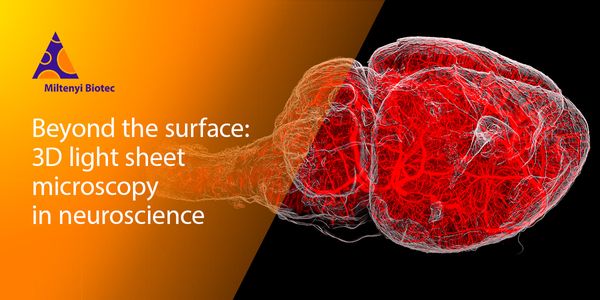
Are you studying complex biological structures such as vasculatures or neuronal networks but feel like you're not seeing the whole picture? Step into a new dimension with the UltraMicros...
SEP 20, 2023 | 9:00 AM

Adeno-associated virus (AAV) are increasingly produced as they hold tremendous potential in gene therapy. At research level, small quantities are produced for proof of concept studies. Howev...
SEP 12, 2023 | 8:40 AM

Efficient protein turnover is essential for cell homeostasis and organ function. Loss of proteostasis is a hallmark of aging, which culminates as a severe reduction in protein turnover rates...
On-Demand

The encapsulated fungus Cryptococcus neoformans is the most common cause of fungal meningitis, with the highest rate of cryptococcosis found in AIDS patients. Despite antifungal treatment, c...
JUL 26, 2023 | 2:30 PM

Phosphorylation of α-synuclein at the Serine-129 site (α-syn Ser129P) is an established pathologic hallmark of synucleinopathies and a therapeutic target. In physiologic states,...
JUL 26, 2023 | 1:50 PM

The use of adeno-associated viruses (AAV) as gene delivery vectors has vast potential for the treatment of many severe human diseases. A small group of intensively studied AAV capsids have b...
MAY 16, 2023 | 8:00 AM

The therapeutic use of chimeric antigen receptor T cells has achieved significant success in the treatment of B cells malignancies. Despite promising results in mouse tumor models, a similar...
MAY 09, 2023 | 6:00 AM
Traumatic Brain Injury, or TBI, is the greatest contributor to death and disability globally among trauma related injuries [1]. Due to the subjectivity of current neurocognitive assessments,...
APR 12, 2023 | 8:00 AM
Date: April 12, 2023 Time: 8:00am (PDT), 11:00am (EDT), 5:00pm (CET) Globally 69 million people worldwide suffer from Traumatic Brain Injury (TBI) every year and many of them are mild and ar...
APR 11, 2023 | 8:00 AM
Date: April 11, 2023 Time: 8:00am (PDT), 11:00am (EDT), 5:00pm (CEST) Duchenne muscular dystrophy is caused by mutations in the dystrophin encoding DMD gene that disrupt the reading frame. M...
MAR 08, 2023 | 1:30 PM

Spatial mapping of pain-associated G-Protein coupled receptors and bio-marker localization in mouse brain using RNAscope HiPlex v2 and RNA-Protein Co-Detection Assays....
MAR 08, 2023 | 10:30 AM

Deep–Brain Stimulation (DBS) has become an effective means of treating a variety of neurological conditions. Most DBS systems work are "open-loop," and apply constant stimula...