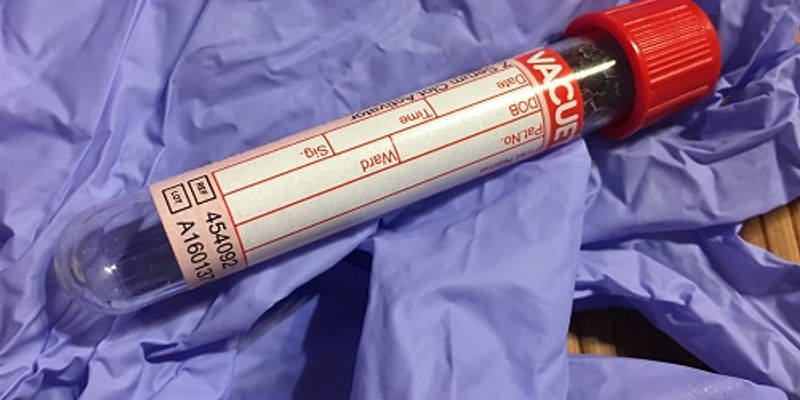
Clinical Chemistry: Clinical chemistry uses chemical processes to measure levels of chemical components in body fluids. The most common specimens tested in clinical chemistry are blood and urine. Many different tests exist to test for almost any type of chemical component in blood or urine. Components may include blood glucose, electrolytes, enzymes, hormones, lipids (fats), other metabolic substances, and proteins.
A century and a half after we first probed heritability, we risk forgetting one of Mendel's own basic findings, in rushing to broaden clinical genomics to lifelong care for all. Embracing...
While next-generation sequencing has proven to be a very useful tool in basic research, two major hurdles remain for its broad adoption in the clinical research setting: lack of seamless work...
Cell death is involved in diseases such as cancer and neurodegeneration, and also has a natural role in the development of multicellular organisms. Although apoptosis has been well defined, a...
Every day, vast amounts of healthcare data are collected from clinical trials as well as real world medical visits on patient treatment regimens and subsequent clinical outcomes. This big dat...
On January 20, 2015, President Obama announced the Precision Medicine Initiative® (PMI) (link is external) in his State of the Union address. Through advances in research, technology and...
Precision medicine promises a more effective approach to disease treatment and management. It is based on analyzing mutations of disease samples to unlock mechanisms of disease development an...
Personalised Healthcare is essential to AstraZeneca’s approach to drug development and is adopted by more than 80% of drug products in clinical development. Selection of the right patie...
DATE: February 2nd, 2016
TIME: 9am pacific time, 12pm eastern time
What is the most appropriate technology to empower your research?
Next generation sequencing (NGS) for RN...
January 28, 2016, 8:00am PT, 11:00am ET, 3:00pm GMT
The relationship of particle size distribution (PSD) in cement and its impact on both strength and curing time of concrete make PSD crit...
January 12, 2016, 8:00am PT, 11:00am ET, 3:00pm GMT
Targeted nanoparticle applications have become a major focus of translational development of both diagnostics and therapeutics for clini...
Date: December 9, 2015 10AM Pacific, 1PM Eastern
July 7, 2015, the U.S. Food and Drug Administration reviewed and approved ENTRESTO™ (sacubitril/valsartan) tablets to reduce the risk...
Live Webinar: December 2, 2015 8:00am PST
In recent years, there has been a dramatic increase in the number of new designer drugs designed to mimic the effects of controlled substances. &n...
DATE: November 19, 2015
TIME: 7:00AM Pacific, 9:00AM Central, 10:00AM Eastern, 3:00PM GMT
Diabetes represents a serious global epidemic. Diabetes causes its own direct adverse ...
The assessment of serum lipid and lipoprotein levels is a common procedure which affects the management of the risk of atherothrombotic cardiovascular disease (CVD) in large numbers of patien...
While genomics has been used as a tool for research for many years, globally there is increasing momentum to deploy microbial genomics for routine public health microbiology. This technology...
Currently, next-generation sequencing is not only being used for basic discovery research but also in clinical settings for translational biomarker profiling and clinical research studies inc...
Diagnostic error impacts millions of US adults and children every year1,2. Failure to order an appropriate diagnostic test and incorrect interpretation of diagnostic test results are co...
Basic research in Proteomics has led to new understanding of proteins’ contributions to health and disease, and has also driven the advancement of powerful analytical technologies used...
Hyperthyroidism is an autoimmune disorder caused by the thyroid stimulating antibody (TSI), active against the thyroid-stimulating hormone (TSH) receptor, which stimulates the gland to synthe...
Appropriate dosing of pharmaceuticals is critical to prevent sub-therapeutic efficacy or the occurrence of adverse events. However, genetic variability may significantly influence an individu...
Introduction and adoption of whole-genome sequencing has enabled new methods of investigation in the quest for answers in diagnostic odyssey cases as well as in the broader study of genetic d...
Cancer immunotherapy has demonstrated promising results. However, to date, researchers have failed to overcome the complex interplay between the immune system and the immune suppressive tumor...
As one of the nation's most prevalent sexually transmitted infections, genital herpes represents a diagnostic and therapeutic challenge to clinicians, laboratorians and the patients they...
As hospitals and healthcare systems move toward value-based care, new management systems are needed to measure and improve clinical processes. This presents both an opportunity and a ch...
A century and a half after we first probed heritability, we risk forgetting one of Mendel's own basic findings, in rushing to broaden clinical genomics to lifelong care for all. Embracing...
While next-generation sequencing has proven to be a very useful tool in basic research, two major hurdles remain for its broad adoption in the clinical research setting: lack of seamless work...
Cell death is involved in diseases such as cancer and neurodegeneration, and also has a natural role in the development of multicellular organisms. Although apoptosis has been well defined, a...
Every day, vast amounts of healthcare data are collected from clinical trials as well as real world medical visits on patient treatment regimens and subsequent clinical outcomes. This big dat...
On January 20, 2015, President Obama announced the Precision Medicine Initiative® (PMI) (link is external) in his State of the Union address. Through advances in research, technology and...
Precision medicine promises a more effective approach to disease treatment and management. It is based on analyzing mutations of disease samples to unlock mechanisms of disease development an...
Personalised Healthcare is essential to AstraZeneca’s approach to drug development and is adopted by more than 80% of drug products in clinical development. Selection of the right patie...
DATE: February 2nd, 2016
TIME: 9am pacific time, 12pm eastern time
What is the most appropriate technology to empower your research?
Next generation sequencing (NGS) for RN...
January 28, 2016, 8:00am PT, 11:00am ET, 3:00pm GMT
The relationship of particle size distribution (PSD) in cement and its impact on both strength and curing time of concrete make PSD crit...
January 12, 2016, 8:00am PT, 11:00am ET, 3:00pm GMT
Targeted nanoparticle applications have become a major focus of translational development of both diagnostics and therapeutics for clini...
Date: December 9, 2015 10AM Pacific, 1PM Eastern
July 7, 2015, the U.S. Food and Drug Administration reviewed and approved ENTRESTO™ (sacubitril/valsartan) tablets to reduce the risk...
Live Webinar: December 2, 2015 8:00am PST
In recent years, there has been a dramatic increase in the number of new designer drugs designed to mimic the effects of controlled substances. &n...
DATE: November 19, 2015
TIME: 7:00AM Pacific, 9:00AM Central, 10:00AM Eastern, 3:00PM GMT
Diabetes represents a serious global epidemic. Diabetes causes its own direct adverse ...
The assessment of serum lipid and lipoprotein levels is a common procedure which affects the management of the risk of atherothrombotic cardiovascular disease (CVD) in large numbers of patien...
While genomics has been used as a tool for research for many years, globally there is increasing momentum to deploy microbial genomics for routine public health microbiology. This technology...
Currently, next-generation sequencing is not only being used for basic discovery research but also in clinical settings for translational biomarker profiling and clinical research studies inc...
Diagnostic error impacts millions of US adults and children every year1,2. Failure to order an appropriate diagnostic test and incorrect interpretation of diagnostic test results are co...
Basic research in Proteomics has led to new understanding of proteins’ contributions to health and disease, and has also driven the advancement of powerful analytical technologies used...
Hyperthyroidism is an autoimmune disorder caused by the thyroid stimulating antibody (TSI), active against the thyroid-stimulating hormone (TSH) receptor, which stimulates the gland to synthe...
Appropriate dosing of pharmaceuticals is critical to prevent sub-therapeutic efficacy or the occurrence of adverse events. However, genetic variability may significantly influence an individu...
Introduction and adoption of whole-genome sequencing has enabled new methods of investigation in the quest for answers in diagnostic odyssey cases as well as in the broader study of genetic d...
Cancer immunotherapy has demonstrated promising results. However, to date, researchers have failed to overcome the complex interplay between the immune system and the immune suppressive tumor...
As one of the nation's most prevalent sexually transmitted infections, genital herpes represents a diagnostic and therapeutic challenge to clinicians, laboratorians and the patients they...
As hospitals and healthcare systems move toward value-based care, new management systems are needed to measure and improve clinical processes. This presents both an opportunity and a ch...
 Follow