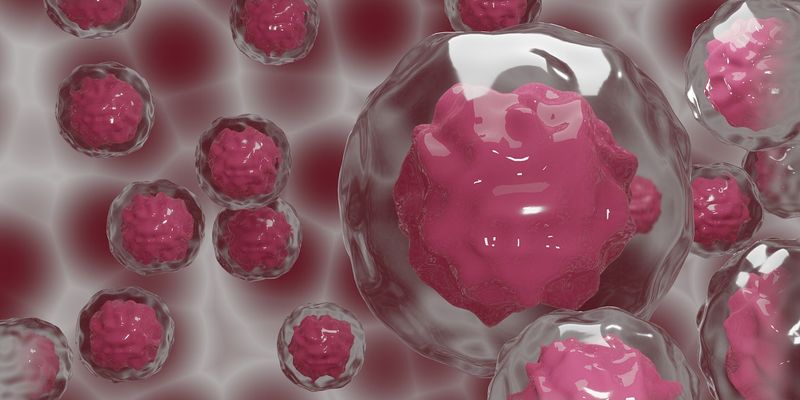
Induced pluripotent stem cells (iPSCs) are cells generated from the skin or blood that are reprogrammed to an embryonic state at which they can replicate and replenish damaged cells. In a therapeutic setting, iPSCs can provide a source to generate cells to replace damaged tissue in the body.
Regulatory non coding RNAs, including microRNAs (miRNAs) and long non coding RNAs (lncRNAs), have shown to be essential for animal development and viability, yet dissecting the relevance of i...
DATE: November 1, 2017TIME: 12:00 PM PT, 3:00 PM ETThere is a current focus in biology towards developing more complex and physiologically relevant in vitro assays and cell models...
Traditional high throughput screening (HTS) assays for neuronal targets employ non-human primary neuronal cells due to the scale necessary for HTS. Isolation of mouse primary neurons can be u...
Creating inducible Pluripotent Stem Cell (iPSC) collections of rare patients scattered world-wide can lower the barrier of biological discovery of rare disease, provide a platform for potenti...
EVENT DETAILS:DATE: July 25, 2017TIME: 9:00am PT, Noon ETThermo Fisher Scientific is proud to present the SyncD3 webinar series. As a thought-leader in science...
DATE: July 20, 2017TIME: 10:00am PT, 1:00pm ETPart 1 - Daniel Beacham: Case study showing how CyQUANT Direct Cell Proliferation and Fluo-4 calcium imaging assays were us...
Cardiomyocytes (CMs) derived from human induced pluripotent stem cells (iPSCs) as well as engineered heart muscles offer great potential for regenerative applications by CM transplantation, f...
The availability of well-characterised monoclonal antibodies (mAbs) detecting cell-surface epitopes on human pluripotent stem cells (hPSCs) provides useful research tools to investigate the c...
Diabetes is a debilitating chronic disease that is spirally out of control. Fundamentally, the progressive failure of pancreatic beta cells results in decreased insulin secretion, ultimately ...
Mitochondrial defects represent a common pathogenetic mechanism associated with neurodegeneration. At the same time, mitochondrial DNA (mtDNA) mutations frequently cause neurological diseases...
Current methods for human induced pluripotent stem cells (hiPSC) derivation, expansion and differentiation can be limited in scalability and costly (due to their labor intensive nature). This...
The discovery of the CRISPR/Cas9 system has transformed research and now allows straightforward alterations in the genome and can be exploited to introduce changes to mimic diseases. This pre...
For optimal use of human induced pluripotent stem cells (hiPSCs) it is essential to identify lines that are fully reprogrammed and of high quality with proven pluripotency in terms of differe...
Finding a job is a daunting and stressful process. Although technology has made the job find and application process much easier – but it also brings new challenges with how to manage t...
The development of the CRISPR/Cas9 gene-editing platform enables the rapid generation of new genetically modified stem cell models of human diseases, as well as providing new potential therap...
CRISPR-Cas9 systems provide a platform for high efficiency genome editing that are enabling innovative applications of mammalian cell engineering. The delivery of Cas9 plasmid DNA or mR...
The emergence of technology for development of induced pluripotent stem cells (iPSCs) from somatic cells, such as skin and blood cells, has resulted in the ability of researchers to have limi...
DATE: June 7, 2017TIME: 9:00AM PDT, 12:00PM EDTPluripotent stem cells (PSCs) offer an unlimited source of human cardiovascular cells for research and the development of cardiac regenera...
EVENT DETAILS:DATE: May 16, 2017TIME: 9:00am PT, Noon ETThermo Fisher Scientific is proud to present the SyncD3 webinar series. As a thought-leader in science our first commit...
DATE: May 9th, 2017TIME: 7:00AM PDT, 10:00AM ET, 2:00PM GMT Early detection and elimination of new chemical entities with cardiac or hERG liability could substantially improve...
Developing therapies for human diseases continues to face obstacles, particularly in translating targets or compounds identified by in vitro screening campaigns to valid targets or efficaciou...
The use of pluripotent stem cell-derived cell types for disease modeling, drug screening and regenerative medicine is an exciting area of activity in health research. Prior to the availabilit...
DATE: December 14, 2016
TIME: 7:30am PT, 10:30am ET
A major hurdle in developing relevant disease models for drug discovery is access to the healthy and diseased tissue of interest; induc...
DATE: December 6, 2016
TIME: 11:00am PT, 2:00pm ET
Experimentation involving human stem cells (HSCs) is one of the fastest growing fields in research and development due, in large part, t...
Regulatory non coding RNAs, including microRNAs (miRNAs) and long non coding RNAs (lncRNAs), have shown to be essential for animal development and viability, yet dissecting the relevance of i...
DATE: November 1, 2017TIME: 12:00 PM PT, 3:00 PM ETThere is a current focus in biology towards developing more complex and physiologically relevant in vitro assays and cell models...
Traditional high throughput screening (HTS) assays for neuronal targets employ non-human primary neuronal cells due to the scale necessary for HTS. Isolation of mouse primary neurons can be u...
Creating inducible Pluripotent Stem Cell (iPSC) collections of rare patients scattered world-wide can lower the barrier of biological discovery of rare disease, provide a platform for potenti...
EVENT DETAILS:DATE: July 25, 2017TIME: 9:00am PT, Noon ETThermo Fisher Scientific is proud to present the SyncD3 webinar series. As a thought-leader in science...
DATE: July 20, 2017TIME: 10:00am PT, 1:00pm ETPart 1 - Daniel Beacham: Case study showing how CyQUANT Direct Cell Proliferation and Fluo-4 calcium imaging assays were us...
Cardiomyocytes (CMs) derived from human induced pluripotent stem cells (iPSCs) as well as engineered heart muscles offer great potential for regenerative applications by CM transplantation, f...
The availability of well-characterised monoclonal antibodies (mAbs) detecting cell-surface epitopes on human pluripotent stem cells (hPSCs) provides useful research tools to investigate the c...
Diabetes is a debilitating chronic disease that is spirally out of control. Fundamentally, the progressive failure of pancreatic beta cells results in decreased insulin secretion, ultimately ...
Mitochondrial defects represent a common pathogenetic mechanism associated with neurodegeneration. At the same time, mitochondrial DNA (mtDNA) mutations frequently cause neurological diseases...
Current methods for human induced pluripotent stem cells (hiPSC) derivation, expansion and differentiation can be limited in scalability and costly (due to their labor intensive nature). This...
The discovery of the CRISPR/Cas9 system has transformed research and now allows straightforward alterations in the genome and can be exploited to introduce changes to mimic diseases. This pre...
For optimal use of human induced pluripotent stem cells (hiPSCs) it is essential to identify lines that are fully reprogrammed and of high quality with proven pluripotency in terms of differe...
Finding a job is a daunting and stressful process. Although technology has made the job find and application process much easier – but it also brings new challenges with how to manage t...
The development of the CRISPR/Cas9 gene-editing platform enables the rapid generation of new genetically modified stem cell models of human diseases, as well as providing new potential therap...
CRISPR-Cas9 systems provide a platform for high efficiency genome editing that are enabling innovative applications of mammalian cell engineering. The delivery of Cas9 plasmid DNA or mR...
The emergence of technology for development of induced pluripotent stem cells (iPSCs) from somatic cells, such as skin and blood cells, has resulted in the ability of researchers to have limi...
DATE: June 7, 2017TIME: 9:00AM PDT, 12:00PM EDTPluripotent stem cells (PSCs) offer an unlimited source of human cardiovascular cells for research and the development of cardiac regenera...
EVENT DETAILS:DATE: May 16, 2017TIME: 9:00am PT, Noon ETThermo Fisher Scientific is proud to present the SyncD3 webinar series. As a thought-leader in science our first commit...
DATE: May 9th, 2017TIME: 7:00AM PDT, 10:00AM ET, 2:00PM GMT Early detection and elimination of new chemical entities with cardiac or hERG liability could substantially improve...
Developing therapies for human diseases continues to face obstacles, particularly in translating targets or compounds identified by in vitro screening campaigns to valid targets or efficaciou...
The use of pluripotent stem cell-derived cell types for disease modeling, drug screening and regenerative medicine is an exciting area of activity in health research. Prior to the availabilit...
DATE: December 14, 2016
TIME: 7:30am PT, 10:30am ET
A major hurdle in developing relevant disease models for drug discovery is access to the healthy and diseased tissue of interest; induc...
DATE: December 6, 2016
TIME: 11:00am PT, 2:00pm ET
Experimentation involving human stem cells (HSCs) is one of the fastest growing fields in research and development due, in large part, t...
Opens in a new windowOpens an external siteOpens an external site in a new window
 Follow