A medical laboratory (also known as clinical laboratory) is a laboratory where tests are done on clinical specimens with the purpose of getting information about a patients health in order to treat, diagnose and/or prevent disease. Medical laboratories often staff the following: Phlebotomists, Pathologists, Pathologists's assistants, Medical laboratory scientists, Medical laboratory assistants, Medical laboratory technicians, and Clinical biochemists, just to name a few.
Today's presentation will cover the following topics from the perspective of a NYC based Laboratory: What have we learned year to date about CoV-2 and specifically how diagnostic testing...
As many parts of the northern hemisphere move into the colder months and indoors, SARS CoV-2 has begun a second infection wave that has exceeded the first surge of cases in many global regio...
Cell-free DNA (cfDNA) is a key analyte for liquid biopsy samples. Due to extremely low concentration and high degree of fragmentation, the extraction of cfDNA is technically challenging. Her...
Testing volumes need to increase by orders of magnitude in order to restore communities back to normality. This workshop focuses on solutions that equip laboratories to participate in expand...
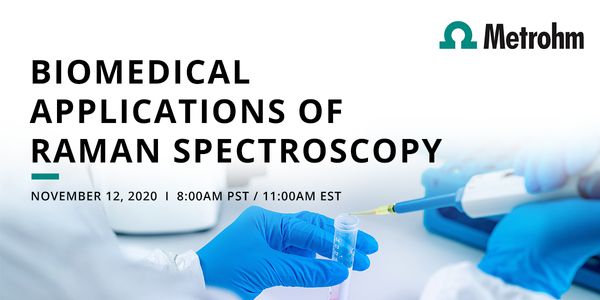
Date: November 12, 2020 Time: 8:00am (PST), 11:00am (EST) Vaccine development, disease diagnosis and early medical intervention are all supported by Raman spectroscopy. This tool provides ri...
In 2012, the Choosing Wisely initiative was commenced by the ABIM with numerous societies putting forward lists of overused tests or procedures. The Choosing Wisely movement has spread to nu...
The nuclear proliferation biomarker Ki-67 has multiple potential roles in breast and other cancers, both as a prognostic but also predictive marker. However, several studies have shown that...
Cases of traumatic brain injury (TBI) have been steadily rising over the past decade with most common causes of injury observed among participants in contact sports, combat military personne...
Patient laboratory test results are significantly over-represented in electronic medical records, but significantly under-utilized in research. An important application of laboratory data is...
Cancer cells can acquire immune resistance resulting in a loss of immunosurveillance. Tumor cells can upregulate PDL-1 which binds to PD-1. This complex inhibits CD8 Tumor Infiltrating cells...
The opioid crisis has put significant strain on the healthcare system and resources, including the clinical laboratory which has seen significant increases in requests for urine drug screeni...
Clinical Laboratories have the opportunity to support value based health care by aligning with organizational strategies that focus on population health and creating meaningful insights usin...
Point-of-care testing (POCT) is destined to play a much greater role in chronic disease diagnosis and management. Advanced POCT systems are being developed to deliver less costly and more ac...
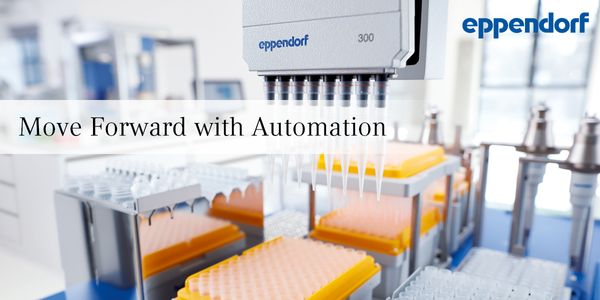
DATE: November 10, 2020 TIME: 7:00am PDT, 10:00am EDT Automation can provide tremendous benefits such as increased pipetting precision and accuracy, productivity, and throughput. Numerous wo...
Date: November 9th, 2020 Time: 10:00am PDT SARS-CoV-2 continues to spread rapidly with critically ill patients admitted to the intensive care unit (ICU), where the mortality rate is reported...
More than 50,700 Americans died of opioid overdose in 2019, and more than 1.6 million Americans live with addiction to opioids. Moreover, more than 50 million Americans suffer from chronic p...
The opioid crisis is a uniquely American challenge. Many factors catalyzed this national nightmare and others continue to fuel it. This presentation delves into some of the major contributor...
Learning Objectives: 1. Discuss the disease state model of substance use disorder 2. Discuss the evidence surrounding common misconceptions regarding substance use disorder...
Substance use disorder (SUD) remains a highly stigmatized medical condition in the US. One of the most effective methods of treatment for SUD, specifically for opioid use disorder and alcoho...
Urine drug testing has become an essential part of the management of patients with chronic pain. Testing provides objective information regarding drug compliance, diversion, and abuse to med...
As one of the few evidence-based treatments shown to decrease mortality, buprenorphine use has grown in the United States and abroad. Buprenorphine is a first line option for opioid use diso...
The opioid crisis erupted from a tragic convergence of factors from the private and public sectors. Changing sensibilities on opioid use and abuse, perspectives on addiction and recovery, be...
Date: November 4, 2020 Time: 8:00am (PDT), 11:00am (EDT) High-content screening (HCS) is widely used for research in quantitative cellular biology and has proven to be a valuable tool in dru...
Today's presentation will cover the following topics from the perspective of a NYC based Laboratory: What have we learned year to date about CoV-2 and specifically how diagnostic testing...
As many parts of the northern hemisphere move into the colder months and indoors, SARS CoV-2 has begun a second infection wave that has exceeded the first surge of cases in many global regio...
Cell-free DNA (cfDNA) is a key analyte for liquid biopsy samples. Due to extremely low concentration and high degree of fragmentation, the extraction of cfDNA is technically challenging. Her...
Testing volumes need to increase by orders of magnitude in order to restore communities back to normality. This workshop focuses on solutions that equip laboratories to participate in expand...
Date: November 12, 2020 Time: 8:00am (PST), 11:00am (EST) Vaccine development, disease diagnosis and early medical intervention are all supported by Raman spectroscopy. This tool provides ri...
In 2012, the Choosing Wisely initiative was commenced by the ABIM with numerous societies putting forward lists of overused tests or procedures. The Choosing Wisely movement has spread to nu...
The nuclear proliferation biomarker Ki-67 has multiple potential roles in breast and other cancers, both as a prognostic but also predictive marker. However, several studies have shown that...
Cases of traumatic brain injury (TBI) have been steadily rising over the past decade with most common causes of injury observed among participants in contact sports, combat military personne...
Patient laboratory test results are significantly over-represented in electronic medical records, but significantly under-utilized in research. An important application of laboratory data is...
Cancer cells can acquire immune resistance resulting in a loss of immunosurveillance. Tumor cells can upregulate PDL-1 which binds to PD-1. This complex inhibits CD8 Tumor Infiltrating cells...
The opioid crisis has put significant strain on the healthcare system and resources, including the clinical laboratory which has seen significant increases in requests for urine drug screeni...
Clinical Laboratories have the opportunity to support value based health care by aligning with organizational strategies that focus on population health and creating meaningful insights usin...
Point-of-care testing (POCT) is destined to play a much greater role in chronic disease diagnosis and management. Advanced POCT systems are being developed to deliver less costly and more ac...
DATE: November 10, 2020 TIME: 7:00am PDT, 10:00am EDT Automation can provide tremendous benefits such as increased pipetting precision and accuracy, productivity, and throughput. Numerous wo...
Date: November 9th, 2020 Time: 10:00am PDT SARS-CoV-2 continues to spread rapidly with critically ill patients admitted to the intensive care unit (ICU), where the mortality rate is reported...
More than 50,700 Americans died of opioid overdose in 2019, and more than 1.6 million Americans live with addiction to opioids. Moreover, more than 50 million Americans suffer from chronic p...
The opioid crisis is a uniquely American challenge. Many factors catalyzed this national nightmare and others continue to fuel it. This presentation delves into some of the major contributor...
Learning Objectives: 1. Discuss the disease state model of substance use disorder 2. Discuss the evidence surrounding common misconceptions regarding substance use disorder...
Substance use disorder (SUD) remains a highly stigmatized medical condition in the US. One of the most effective methods of treatment for SUD, specifically for opioid use disorder and alcoho...
Urine drug testing has become an essential part of the management of patients with chronic pain. Testing provides objective information regarding drug compliance, diversion, and abuse to med...
As one of the few evidence-based treatments shown to decrease mortality, buprenorphine use has grown in the United States and abroad. Buprenorphine is a first line option for opioid use diso...
The opioid crisis erupted from a tragic convergence of factors from the private and public sectors. Changing sensibilities on opioid use and abuse, perspectives on addiction and recovery, be...
Date: November 4, 2020 Time: 8:00am (PDT), 11:00am (EDT) High-content screening (HCS) is widely used for research in quantitative cellular biology and has proven to be a valuable tool in dru...
 Follow