 Follow
Physiology
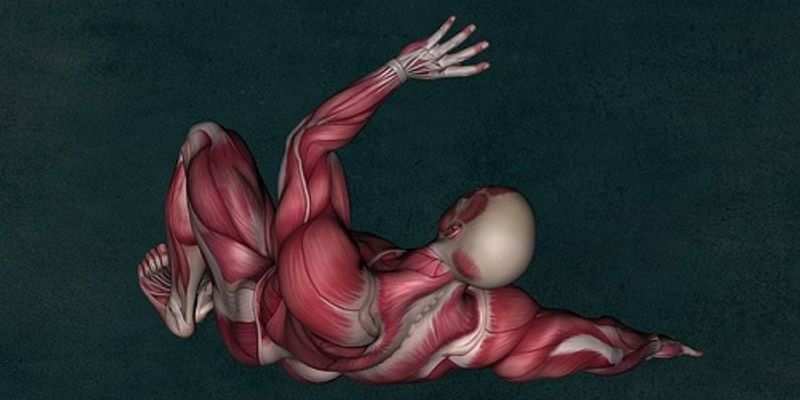
Physiology is the study of how organisms function. Physiology can be divided into many sub-fields, including plants, animals, bacteria, and more, but most early physiology records focused on how human systems work. Central to an understanding of physiological functioning is its integrated nature with other disciplines such as chemistry and physics, coordinated homeostatic control mechanisms, and continuous communication between cells.

JUL 26, 2023 | 11:20 AM

Chimeric antigen receptor (CAR)-reprogrammed immune cells offer exciting therapeutic potential for addressing oncology, autoimmune diseases, transplant medicine, and infections. However, cur...
JUN 15, 2023 | 10:00 AM
Insights gained from studies using genome editing tools can provide a better understanding of cellular physiology, so that we can uncover answers to complex diseases and ultimately develop t...
JUN 14, 2023 | 8:00 AM
Insights gained from studies using genome editing tools can provide a better understanding of cellular physiology, so that we can uncover answers to complex diseases and ultimately develop t...
JUN 06, 2023 | 9:00 AM
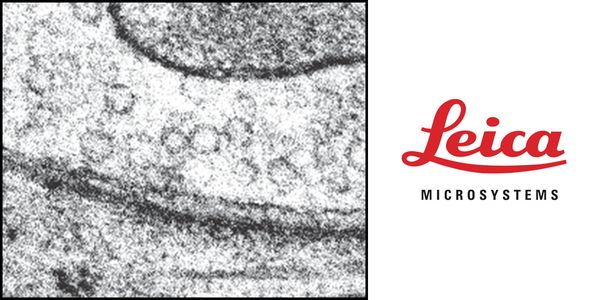
Transmission electron microscopy reveals the architecture of cells at nanometer resolution, but chemical fixation severely warps their native structure. The true ultrastructure of cells can...
APR 26, 2023 | 8:00 AM
Date: April 26, 2023 Time: 8:00am (PDT), 11:00am (EDT), 5:00pm (CEST) The heart is a 380-million-year-old organ, yet we do not have a complete understanding of the molecular landscape in the...
APR 20, 2023 | 7:00 AM
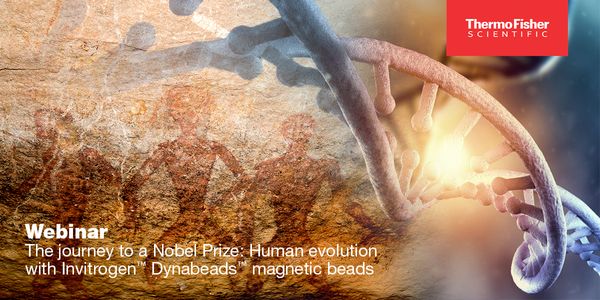
Date: April 20, 2023 Time: 7:00am (PST), 10:00am (EST), 4:00pm (CET) he study of human evolution. A decade ago, his team managed to sequence the Neanderthal and Denisovan genomes which resul...
MAR 08, 2023 | 12:00 PM

...
MAR 08, 2023 | 6:00 AM

Selective vulnerability of brain regions and specific neural populations in neurodegeneration remains little understood. We hypothesize that pre-existing physiological differences in neurons...
FEB 22, 2023 | 5:30 AM

In this project, we optimized a high-throughput fluorescent-based assay to assess transporter activity by measuring uptake of the substrate, ASP+ 4-(4-(dimethylamino)styryl)-N-methylpyridi...
FEB 22, 2023 | 5:30 AM

Ninety percent of therapeutic agents reaching clinical trial fail to reach entry to market, with safety concerns being a major cause for failures in phase I and II clinical trials. Drug-indu...
FEB 21, 2023 | 10:00 AM
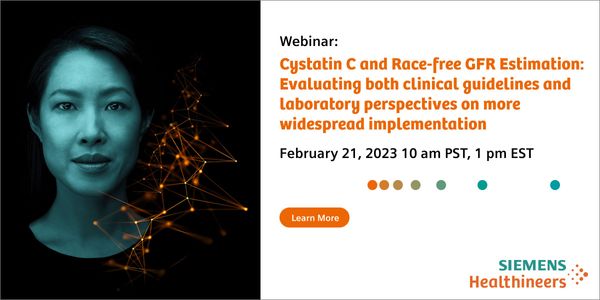
Date: February 21, 2023 Time: 10:00am (PST), 1:00pm (EST), 7:00pm (CET) The use of algorithms that alter patient medical care based on race has fallen under increasing criticism, as race-bas...
DEC 07, 2022 | 9:00 AM
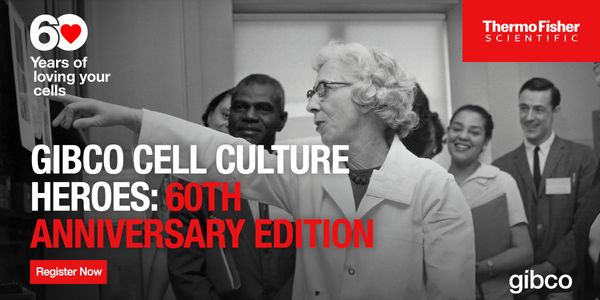
Date: December 07, 2022 Time: 9:00am (PST), 12:00pm (EST), 6:00pm (CET) Join us for an exciting live panel webinar, as we celebrate the 60th anniversary of Gibco Cell Culture. The panelists...
NOV 01, 2022 | 7:00 AM
Date: November 01, 2022 Time: 7:00am (PDT), 10:00am (EDT), 3:00pm (CET) Molecular imaging of living specimens offers a means to draw upon the growing body of high-throughput molecular data t...