
 Follow
Physiology
Physiology is the study of how organisms function. Physiology can be divided into many sub-fields, including plants, animals, bacteria, and more, but most early physiology records focused on how human systems work. Central to an understanding of physiological functioning is its integrated nature with other disciplines such as chemistry and physics, coordinated homeostatic control mechanisms, and continuous communication between cells.
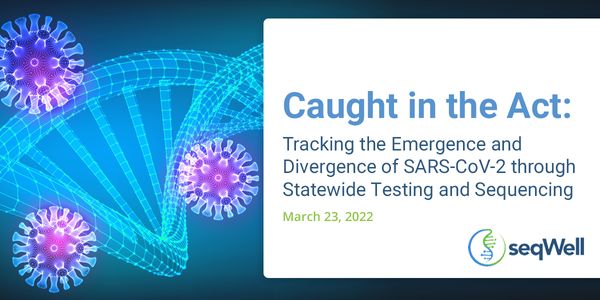

MAR 23, 2022 | 6:00 AM

Genetics may influence experience with cannabis and CBD. With increased access to legal cannabis and the research community expanding their focus on the medicinal uses of cannabinoids, more...
MAR 09, 2022 | 10:00 AM
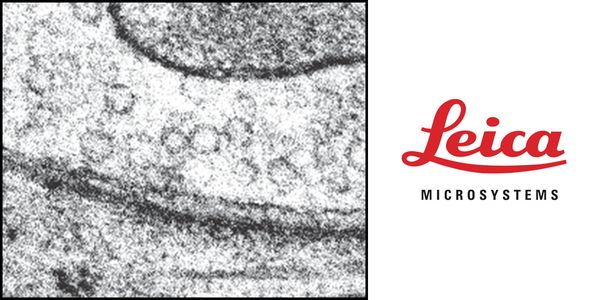
Date: March 09, 2022 Time: 10:00am (PST), 1:00pm (EST), 7:00pm (CEST) Transmission electron microscopy reveals the architecture of cells at nanometer resolution, but chemical fixation severe...
MAR 09, 2022 | 8:00 AM
Date: March 09, 2021 Time: 08:00am (PST), 11:00am (EST), 5:00pm (CEST) Bioengineering technologies hold enormous potential to solve many of our world’s pressing problems. However, they...
FEB 23, 2022 | 11:55 PM

The quest for alternatives to animal safety testing has fueled the development, characterization, and validation of many new technologies. There have been advances in cell and tissue models...
FEB 23, 2022 | 11:55 PM

Adhesion G protein-coupled receptors (aGPCRs) are an ancient class of receptors that represent some of the largest transmembrane-integrated proteins in humans. Besides classic features of GP...
FEB 23, 2022 | 11:55 PM

The explosion of biomedical data such as in genomics, structure biology and pharmacology can provide new opportunities to improve our understanding of human physiology and disease. Understan...
FEB 01, 2022 | 8:00 AM
Date: February 01, 2021 Time: 08:00am (PST), 11:00am (EST) The Design–Generate–Test–Learn (DGTL) cycle represents an efficient approach to biological engineering, from sing...
DEC 08, 2021 | 11:00 AM
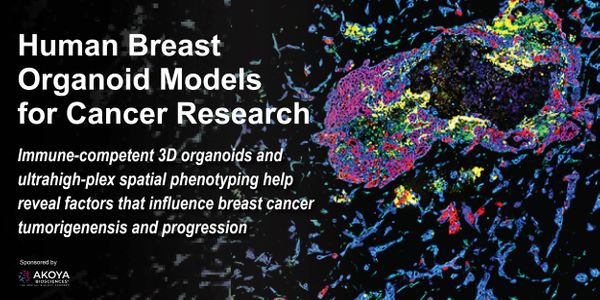
Date: December 8, 2021 Time: 11:00am (PST), 2:00pam (EST) Breast cancer is the most common type of cancer and the leading cause of cancer deaths for women. Despite considerable ongoing resea...
DEC 07, 2021 | 10:00 AM

Date: December 07, 2021 Time: 10:00am (PST) The RNAscope™ technology allows high sensitivity and spatial resolution providing pivotal single-cell information to gain better insights in...
NOV 04, 2021 | 8:00 AM
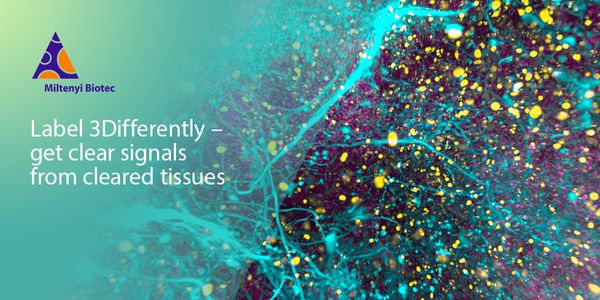
Date: November 4, 2021 Time: 8:00am (PDT), 11:00am (EDT) The promise of tissue clearing techniques in combination with 3D-immunofluorescence (IF) microscopy is revolutionary. Complex biologi...
OCT 26, 2021 | 11:00 AM
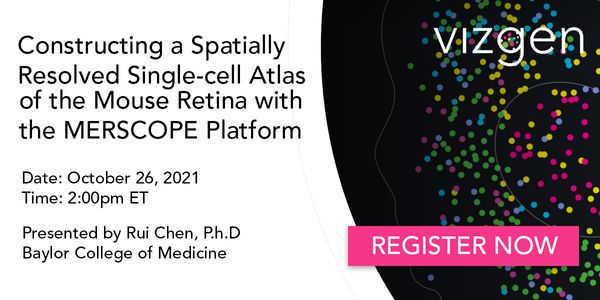
Date: October 26, 2021 Time: 11:00am (PDT), 1:00pm (EDT) The retina is the light-sensing part of the visual system and is composed of six neuron types and several non-neuronal cell types, wi...
SEP 17, 2021 | 12:00 PM

Date: September 16, 2021 Time: 9:00pm (PDT), 12:00am (EDT) 3D cellular models like organoids and spheroids offer an opportunity to better understand complex biology in a physiologically rele...
AUG 25, 2021 | 1:30 PM

In this preliminary experiment, we used spatial transcriptomics to assess the gene expression profiles of microglia or astrocytes in relation to their distance from plaques. We compared 18-m...
AUG 25, 2021 | 8:00 AM
Date: August 25, 2021 Time: 8:00am (PDT), 11:00am (EDT) Heterologous protein production is an indispensable tool in biotechnology and biopharma for manufacturing enzymes, protein therapeutic...
AUG 25, 2021 | 12:00 AM

We will show how to combine large scale neural recordings and mechanistic neural network models to advance our conceptual understanding of how neural circuits mediate cognitive functions lik...
JUL 28, 2021 | 7:00 AM
Date: July 28, 2021 Time: 7:00am PDT Bacterial persistence is a potential cause of antibiotic therapy failure. Antibiotic-tolerant persisters originate from phenotypic differentiation within...
JUL 15, 2021 | 10:00 AM

Date: July 15, 2021 Time: 10:00am (PDT), 1:00pm (EDT) Sigma Metrics plays a critical role in laboratory medicine. Abbott is committed to helping your laboratory achieve excellence in clinica...
JUN 16, 2021 | 8:00 AM
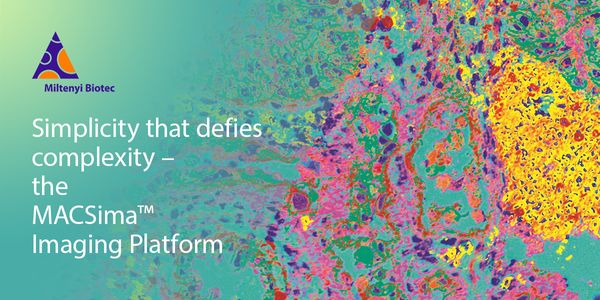
Date: June 16, 2021 Time: 8:00am PDT The MACSima™ Imaging Platform is the only complete solution for ultrahigh-content imaging of hundreds of markers, allowing you to understand the tu...
JUN 15, 2021 | 10:00 AM
Date: June 15, 2021 Time: 10:00am (PDT), 1:00pm (EDT) SPRm (Surface Plasmon Resonance Microscopy) is a novel technology that enables label-free and real-time binding affinity and kinetics of...
JUN 10, 2021 | 8:00 AM
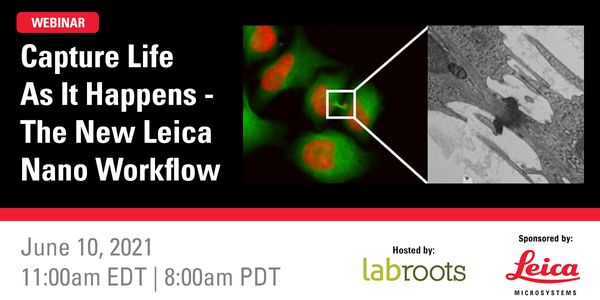
Date: June 10, 2021 Time: 8:00am (PDT), 11:00am (EDT) With the new Leica Nano Workflow, searching for the needle in the haystack is a thing of the past. Take advantage of correlative light a...
JUN 09, 2021 | 7:00 AM
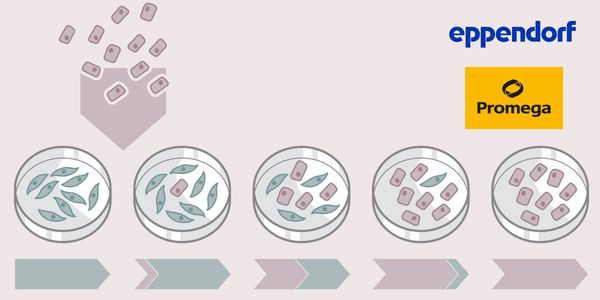
Date: June 9, 2021 Time: 09 June 2021, 7am PDT, 10am EDT, 4pm CEST cells with dramatic implications on the validity of past cell culture related research. The fact that at least 509 cell lin...
MAY 11, 2021 | 10:00 AM
Date: May 11, 2021 Time: 10:00zm PDT Your samples are some of the most valuable assets in the laboratory. After spending countless hours on extraction and preparation, your conclusions could...