 Follow
Stem Cells
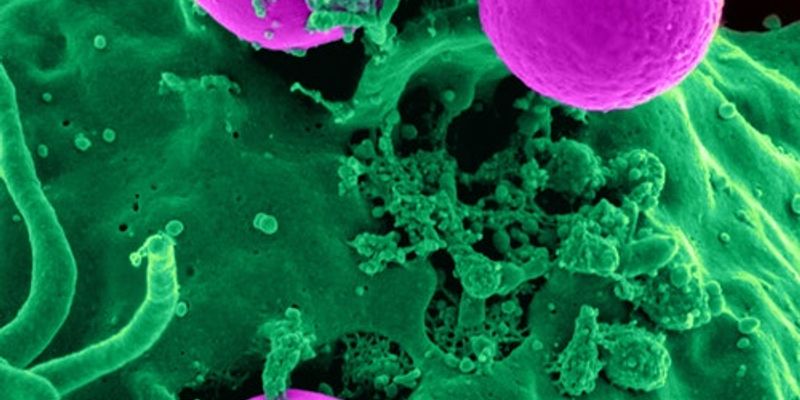
Stem Cells: are cells with the potential to develop into many different types of cells in the body. They serve as a repair system for the body. There are two main types of stem cells: embryonic stem cells and adult stem cells.
-
AUG 22, 2013 | 5:00 PMC.E. CREDITS
 Malignancies caused by so-called Type I chemical and biological carcinogens provide important opportunities studying early events in cancer development, providing essential information for de...Speaker: Prof. Patrick Tan, MD, PhDPresented at: Genetics and Genomics Virtual Event Series 2013
AUG 22, 2013 | 4:00 PMC.E. CREDITS
The next generation sequencing technologies are profoundly influencing our way to study biology. We have previously developed cap-analysis gene expression (CAGE) to simultaneously mRNA/noncod...AUG 22, 2013 | 1:00 PM
MicroRNAs are short non-coding cellular regulators of gene expression. Each microRNA controls the expression of a large set of genes, and microRNAs collectively, may regulate more than half o...AUG 21, 2013 | 3:00 PMC.E. CREDITS
The remarkable diversity we see between different cell types in the human body is governed by the specificity attained through transcriptional and epigenetic regulatory programs. Cancer is a...AUG 21, 2013 | 2:00 PMC.E. CREDITS
The human species is particularly prone to chromosome segregation errors during maternal meiosis in the egg and during post zygotic mitosis in the preimplantation embryo. In fact, aneuploidy...AUG 21, 2013 | 1:00 PMC.E. CREDITS
In addition to the exciting promise that genome sequencing holds, concerns are also often described. These concerns relate to: privacy/confidentiality of findings; impact of findings on insur...AUG 21, 2013 | 7:00 AM
Our ability to view and alter biology is progressing at an exponential pace -- faster even than electronics. Next generation sequencing can be used to assess inherited, environmental and epi-...
SEP 12, 2012 | 9:00 AM
C.E. CREDITS

The Project (PersonalGenomes.org) enables open observation and critique of a large cohort "test-driving" comprehensive participatory personalized medicine. This is the only fully open-access...
AUG 22, 2013 | 5:00 PM
C.E. CREDITS
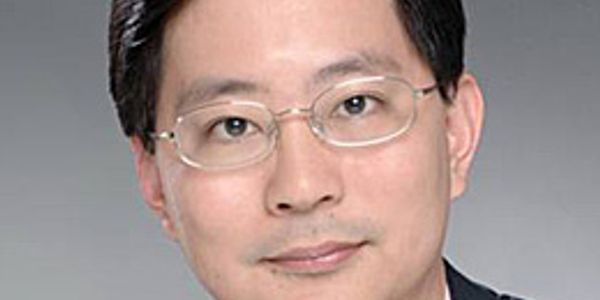
Malignancies caused by so-called Type I chemical and biological carcinogens provide important opportunities studying early events in cancer development, providing essential information for de...
Speaker:
Prof. Patrick Tan, MD, PhD
Presented at: Genetics and Genomics Virtual Event Series 2013
AUG 22, 2013 | 4:00 PM
C.E. CREDITS

The next generation sequencing technologies are profoundly influencing our way to study biology. We have previously developed cap-analysis gene expression (CAGE) to simultaneously mRNA/noncod...
AUG 22, 2013 | 1:00 PM

MicroRNAs are short non-coding cellular regulators of gene expression. Each microRNA controls the expression of a large set of genes, and microRNAs collectively, may regulate more than half o...
AUG 21, 2013 | 3:00 PM
C.E. CREDITS

The remarkable diversity we see between different cell types in the human body is governed by the specificity attained through transcriptional and epigenetic regulatory programs. Cancer is a...
AUG 21, 2013 | 2:00 PM
C.E. CREDITS

The human species is particularly prone to chromosome segregation errors during maternal meiosis in the egg and during post zygotic mitosis in the preimplantation embryo. In fact, aneuploidy...
AUG 21, 2013 | 1:00 PM
C.E. CREDITS

In addition to the exciting promise that genome sequencing holds, concerns are also often described. These concerns relate to: privacy/confidentiality of findings; impact of findings on insur...
AUG 21, 2013 | 7:00 AM
Our ability to view and alter biology is progressing at an exponential pace -- faster even than electronics. Next generation sequencing can be used to assess inherited, environmental and epi-...
SEP 12, 2012 | 9:00 AM
C.E. CREDITS
The Project (PersonalGenomes.org) enables open observation and critique of a large cohort "test-driving" comprehensive participatory personalized medicine. This is the only fully open-access...