Case study is a process of examining a person's or business's specific challenge or goal, and how they solved for it. It is a method to gain a better understanding of a subject or process.
The study of human development and diseases relies on analysis of samples obtained and manipulated ex vivo. It is critical in such studies to know the provenance and confirm that the identit...
NGS technology has grown leaps and bounds in reproductive genetics field. Infertility is on the rise and with the mushrooming of so many IVF clinics in our country and increasing number of I...
The COVID-19 pandemic has resulted in over 7 million cases and more than 428000 cases to date. While public health interventions and social distancing measures have been effective in slowing...
The COVID-19 pandemic is caused by a newly discovered coronavirus, SARS-CoV-2. To characterize and detect this new virus, antibodies to support scientific research, diagnosis and vaccine dev...
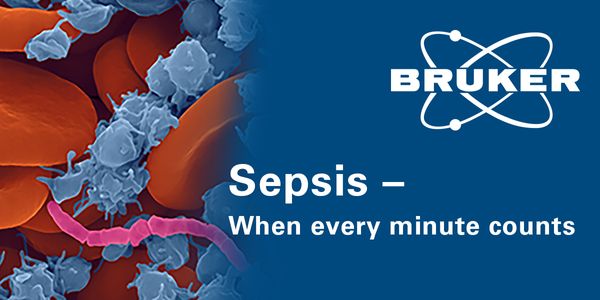
DATE: June 9, 2020 TIME: 10:00am PT, 1:00pm ET The presentation will first discuss sepsis as a disease and then explain the importance of performing diagnostic tests in the clinical labora...
In 2019, over 220,000 Canadians will be diagnosed with cancer and 82,000 will die of the disease. Approximately 90% of cancer related deaths are the result of metastatic disease. This is ind...
Cancer cells can acquire immune resistance resulting in a loss of immunosurveillance. Tumor cells can upregulate PDL-1 which binds to PD-1. This complex inhibits CD8 Tumor Infiltrating cells...
In the course of the so-called reproducibility crisis, various sources of poor reproducibility of animal research have been identified, including a lack of scientific rigor, low statistical...
Animal welfare is the most important issue in any in vivo laboratory. The ability to detect and intervene in cases where the conditions of animals may be deteriorating as well as the ability...
The prevalence of EGFR mutation rate positivity in NSCLC is high in Asia, and this is the case in Malaysia as well. This presentation will provide Malaysia’s approach in implementation...
NSCLC in Asia has high prevalence of EGFR Mutation and this is the case in Malaysia as well. This presentation will provide Malaysia’s approach in implementation of NGS in their 1st li...
The forensic investigation of crime involves answering four basic questions: who, what, where, and when. Tools exist to answer questions of who, what and where, but the question when is ofte...
Crime scene investigation is more than just processing or documentation of crime scenes, nor is it just the collection or packaging of physical evidence. It is the first step and the most cr...
The ever-increasing number of deaths along the U.S.-México border and the diversification in the demographic characteristics of the Latin American migrants, who perish in this region,...
The necrobiome is the community of organisms that use or are affected by decomposing organic matter. Decomposing organic matter comes in the form of dead plant matter (biomass) or that of de...
The current standard methodology in forensic DNA typing relies on amplification of short tandem repeat (STR) markers by the polymerase chain reaction (PCR) and allele sizes (i.e., length-bas...
In late 2019, nearly a decade into a life sentence, Lydell Grant was released from a Texas prison after being convicted of a murder that he did not commit. The victim, Aaron Scheerhorn, was...
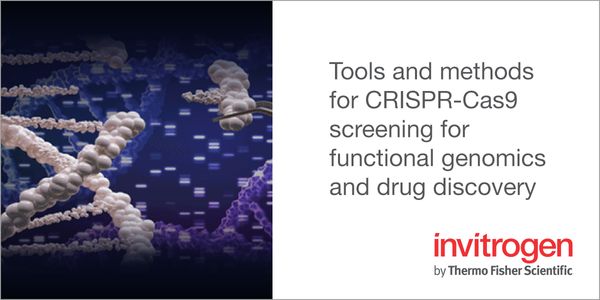
DATE: April 30, 2020 TIME: 9:00am PT, 12:00pm ET Loss-of-function studies are an established method for uncovering a gene’s role in a biological pathway or disease state. The advent of...
Background and aim: Worldwide malaria cases have declined. However, despite recent advances, resistance to front line drugs and insecticides means the burden remains high (219 million cases...
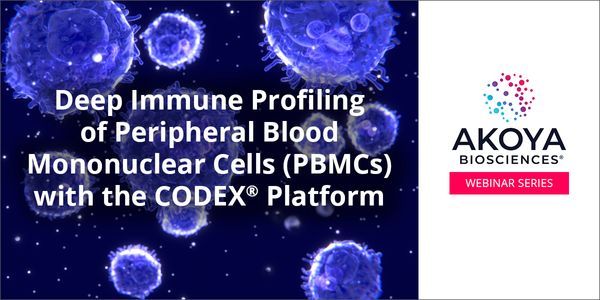
DATE: April 24, 2020 TIME: 9:00am PT, 12:00pm ET Single-cell analysis of cell suspensions is increasingly important in studies of infectious diseases, cancer and autoimmune disorders, given...
The International Council for Standardization in Haematology (ICSH) is a nonprofit organization dedicated to providing open-access guidance documents to enhance the quality of laboratory tes...
Our laboratory uses tools from pharmacology, genomics, and cell signaling to identify new precision anticancer therapeutic strategies. Under this broad heading, our work involves three key a...
The study of human development and diseases relies on analysis of samples obtained and manipulated ex vivo. It is critical in such studies to know the provenance and confirm that the identit...
NGS technology has grown leaps and bounds in reproductive genetics field. Infertility is on the rise and with the mushrooming of so many IVF clinics in our country and increasing number of I...
The COVID-19 pandemic has resulted in over 7 million cases and more than 428000 cases to date. While public health interventions and social distancing measures have been effective in slowing...
The COVID-19 pandemic is caused by a newly discovered coronavirus, SARS-CoV-2. To characterize and detect this new virus, antibodies to support scientific research, diagnosis and vaccine dev...
DATE: June 9, 2020 TIME: 10:00am PT, 1:00pm ET The presentation will first discuss sepsis as a disease and then explain the importance of performing diagnostic tests in the clinical labora...
In 2019, over 220,000 Canadians will be diagnosed with cancer and 82,000 will die of the disease. Approximately 90% of cancer related deaths are the result of metastatic disease. This is ind...
Cancer cells can acquire immune resistance resulting in a loss of immunosurveillance. Tumor cells can upregulate PDL-1 which binds to PD-1. This complex inhibits CD8 Tumor Infiltrating cells...
In the course of the so-called reproducibility crisis, various sources of poor reproducibility of animal research have been identified, including a lack of scientific rigor, low statistical...
Animal welfare is the most important issue in any in vivo laboratory. The ability to detect and intervene in cases where the conditions of animals may be deteriorating as well as the ability...
The prevalence of EGFR mutation rate positivity in NSCLC is high in Asia, and this is the case in Malaysia as well. This presentation will provide Malaysia’s approach in implementation...
NSCLC in Asia has high prevalence of EGFR Mutation and this is the case in Malaysia as well. This presentation will provide Malaysia’s approach in implementation of NGS in their 1st li...
The forensic investigation of crime involves answering four basic questions: who, what, where, and when. Tools exist to answer questions of who, what and where, but the question when is ofte...
Crime scene investigation is more than just processing or documentation of crime scenes, nor is it just the collection or packaging of physical evidence. It is the first step and the most cr...
The ever-increasing number of deaths along the U.S.-México border and the diversification in the demographic characteristics of the Latin American migrants, who perish in this region,...
The necrobiome is the community of organisms that use or are affected by decomposing organic matter. Decomposing organic matter comes in the form of dead plant matter (biomass) or that of de...
The current standard methodology in forensic DNA typing relies on amplification of short tandem repeat (STR) markers by the polymerase chain reaction (PCR) and allele sizes (i.e., length-bas...
In late 2019, nearly a decade into a life sentence, Lydell Grant was released from a Texas prison after being convicted of a murder that he did not commit. The victim, Aaron Scheerhorn, was...
DATE: April 30, 2020 TIME: 9:00am PT, 12:00pm ET Loss-of-function studies are an established method for uncovering a gene’s role in a biological pathway or disease state. The advent of...
Background and aim: Worldwide malaria cases have declined. However, despite recent advances, resistance to front line drugs and insecticides means the burden remains high (219 million cases...
DATE: April 24, 2020 TIME: 9:00am PT, 12:00pm ET Single-cell analysis of cell suspensions is increasingly important in studies of infectious diseases, cancer and autoimmune disorders, given...
The International Council for Standardization in Haematology (ICSH) is a nonprofit organization dedicated to providing open-access guidance documents to enhance the quality of laboratory tes...
Our laboratory uses tools from pharmacology, genomics, and cell signaling to identify new precision anticancer therapeutic strategies. Under this broad heading, our work involves three key a...

 Follow