 Follow
Cell
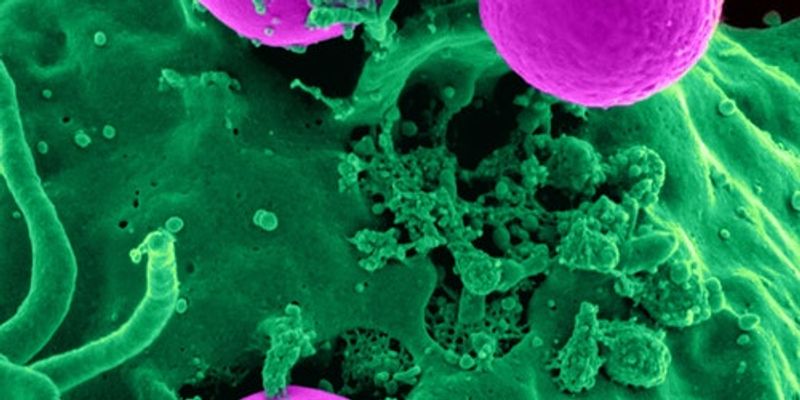
Cell: is the smallest structural and functional unit of an organism, typically microscopic and consisting of cytoplasm and a nucleus enclosed in a membrane. Microscopic organisms typically consist of a single cell, which is either eukaryotic or prokaryotic.




OCT 30, 2014 | 1:30 PM

Advances in genomic research have led to identification of the majority of the drivers of tumor progression. However, our understanding of the molecular mechanisms propelling tumor growth is...
OCT 30, 2014 | 1:30 PM

Structural pathways are important. They are essential to the understanding of how oncogenic mutations work and to figuring out alternative parallel pathways in drug resistant mutants. Structu...
OCT 30, 2014 | 12:00 PM

It has become widely accepted that the presence of intraepithelial CD8+ T cell correlate with improved patient survival. In contrast, tumors largely devoid of immune infiltrations or infiltra...
OCT 30, 2014 | 10:30 AM

The era of omics has ushered in the hope for personalized medicine. Proteomic and genomic strategies that allow unbiased identification of genes and proteins and their post-transcriptional a...
OCT 30, 2014 | 9:00 AM

Both cell free DNA (cfDNA) and circulating tumor cells (CTC) represent important possible templates for mutation analysis of clinical samples. Each template has different theoretical advantag...
OCT 30, 2014 | 7:30 AM

Fusion genes play a central role in many cancer types. They have been used to classify malignancy, risk factors, disease prognosis, and companion diagnostic biomarkers for certain approved dr...
OCT 30, 2014 | 6:00 AM

Cancer research is being revolutionized by targeted gene panels, whole exome sequencing (WES), whole genome sequencing (WGS), and transcriptome sequencing (RNA-Seq).Many analyses, such as...
OCT 30, 2014 | 6:00 AM

When the BCR/ABL1 fusion protein was identified in chronic myelogenous leukemia and the JAK2 V617F mutation was identified in patients with other myeloproliferative neoplasms (MPNs) such as p...
OCT 29, 2014 | 3:00 PM

Survival rates for early stage non-small cell lung cancer (NSCLC) remain unacceptably low compared to other common solid tumors. This mortality reflects a weakness in conventional staging, as...
OCT 29, 2014 | 1:30 PM
Tumor cells often display fundamental changes in metabolism and increase their uptake of nutrients to meet the increased bioenergetic demands of proliferation. Glucose and glutamine are two m...
OCT 29, 2014 | 1:30 PM

Human malignant glioma is a uniformly fatal disease, causing over 14,000 deaths in the US this year. Adults diagnosed with malignant brain tumors have a median survival of approximately 15 mo...
OCT 29, 2014 | 12:00 PM

Obesity is associated with an aggressive subtype of breast cancer called basal-like breast cancer (BBC). Using C3(1)-TAg mice, a genetically engineered mouse model that resembles human BBC, w...