 Follow
Disease
Disease: is a disorder of structure or function in a human, animal, or plant, especially one that produces specific signs or symptoms that is not simply a direct result of physical injury.

DEC 03, 2020 | 7:30 AM

Learning Objectives: 1. Define SARS-CoV-2 immunity, antibody testing, and discuss what is known about the meaning of these tests 2. Identify challenges in doing research during social distan...
DEC 03, 2020 | 6:00 AM

This talk goes over the importance of face masks as a pillar of COVID-19 pandemic control. First, we review the epidemiologic evidence for how face masks reduce COVID-19 transmission from st...
DEC 03, 2020 | 12:00 AM

Learning Objectives: 1. Learn what RNA and DNA vaccines are and why they are ideal vaccine strategies to respond rapidly to pandemics 2. Understand the key requirements of an effective vacci...
DEC 03, 2020 | 12:00 AM

Next-Generation Sequencing (NGS) has been a key technology during the COVIID-19 pandemic and has helped researchers characterize the SARs-CoV-2 genome, perform strain-typing for molecular ep...
DEC 03, 2020 | 12:00 AM

The fast spread and deadliness of SARS-CoV-2 has sparked much interest in understanding the underlying genomics and evolutionary patterns of this 30,000bp Coronavirus. Since the first report...
DEC 02, 2020 | 9:00 AM
DATE: December 2, 2020 TIME: 9:00am PDT Pluripotent stem cell (PSC) research is a continuously evolving field that beholds great promises for the future. The great application potential of P...
DEC 02, 2020 | 8:00 AM

DATE: December 2nd, 2020 TIME: 08:00am PDT, 11:00pm EDT Bioreactors and shakers are used to cultivate microorganisms, plant, insect, and mammalian cells in different volumes. Upscaling of pr...
NOV 20, 2020 | 12:00 PM
Date: September 30, 2020 Time: 9:00am (PDT), 12:00pm (EDT) Learning Objectives Why is Stewardship important? What are the core elements of stewardship and microbiology's role Importance...
NOV 19, 2020 | 10:00 AM
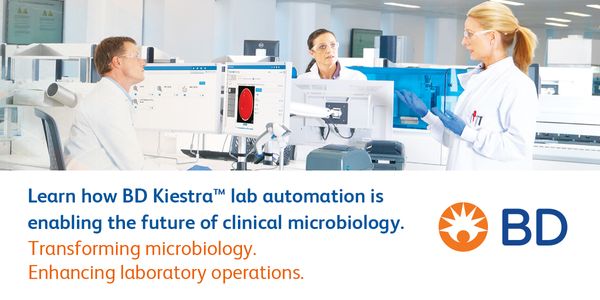
Date: November 19, 2020 Time: 10:00am (PST), 1:00pm (EST) 98% of in-patients will undergo a diagnostic test during a hospital stay.[1] With the increased focus on the accuracy of diagnostic...
NOV 19, 2020 | 9:00 AM
DATE: November 19, 2020 TIME: 9:00am PT, 12am ET Knowledge of the three-dimensional structure of therapeutically relevant targets has become an essential step in the pipeline of drug discove...
NOV 19, 2020 | 7:00 AM
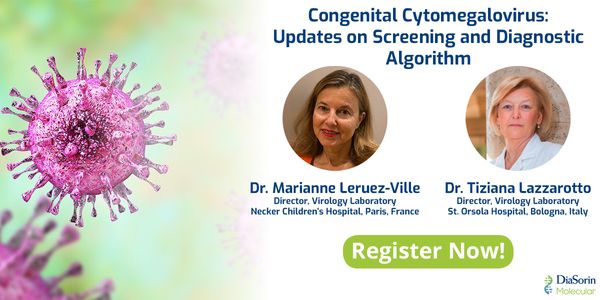
DATE: November 19, 2020 TIME: 7am PST Congenital CMV is the most frequent infectious cause of neonatal malformation in developed nations. Yet, this disease is largely under-recognized by hea...
NOV 18, 2020 | 8:00 AM
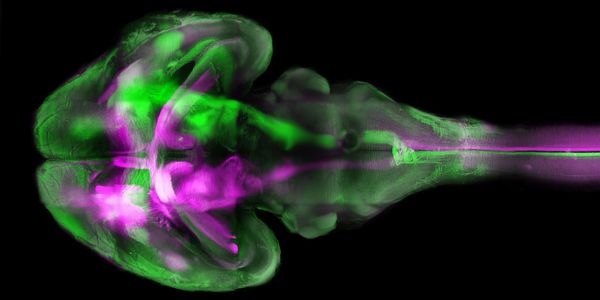
DATE: November 18, 2020 TIME: 08:00am PDT We develop and implement technologies to solve some of the major bottlenecks in biomedical research. In particular, we establish new imaging approac...
NOV 17, 2020 | 8:00 AM
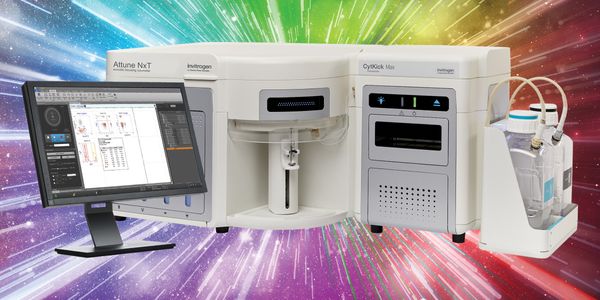
Date: November 17, 2020 Time: 8:00am COVID-19 is a complex pathological condition caused by infection with SARS-CoV. Different features have been observed in patients with a severe dis...
NOV 13, 2020 | 10:00 AM
Date: November 13, 2020 10:00am PST, 1:00pm EST Coronavirus disease 2019 (COVID-19) is currently a global pandemic, but human immune responses to the virus remain poorly understood....
NOV 12, 2020 | 4:30 PM

With QCI services your clinical lab can enable a seamless fastq to clinical report workflow. We provide services such as cloud based variant calling and automated upload of the data to the Q...
NOV 12, 2020 | 3:00 PM

What if your lab could perform exome sequencing with the same sensitivity and efficiency of targeted sequencing? The new integrated QIAseq Human Exome TR Insights solution from QIAGEN delive...