 Follow
Immune System
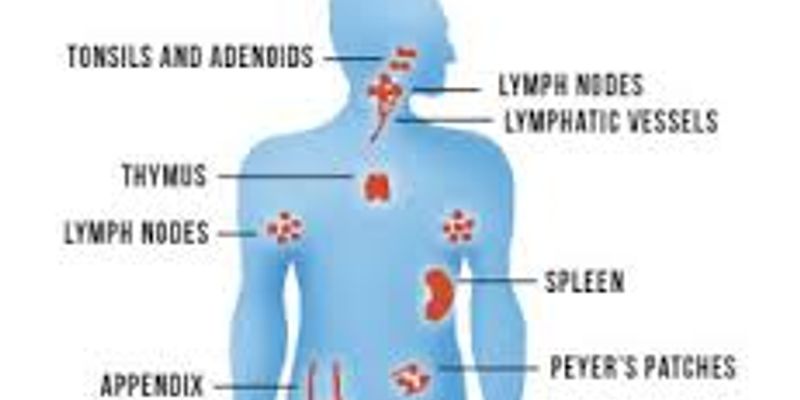
Immune System: is the body's defense against infectious organisms and other invaders. The immune system is made up of a network of cells, tissues, and organs that work together to protect the body.

On Demand
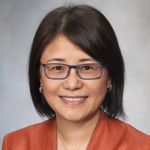
Neoantigens are peptides derived from patient-specific and tumor-specific mutations, which can be recognized by the immune system and mediate tumor recognition that leads to immune destructi...
OCT 03, 2023 | 7:30 AM

Immuno-oncology (IO) is a type of cancer treatment that uses the body's immune system to fight cancer. It works by stimulating the immune system to recognize and attack cancer cells, while le...
SEP 27, 2023 | 9:00 AM
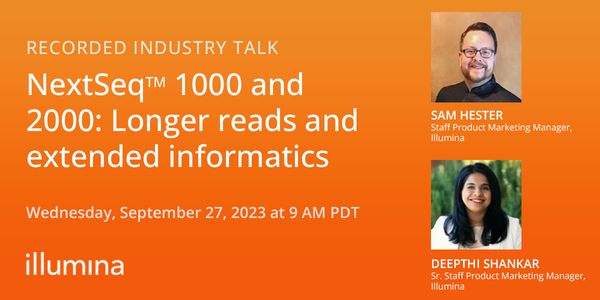
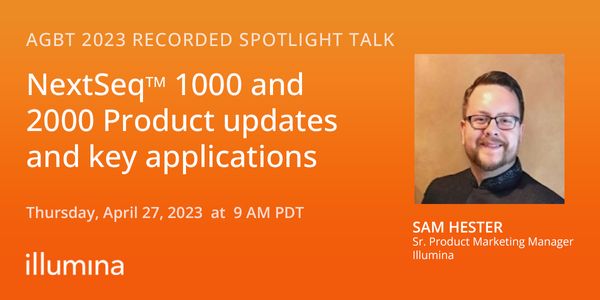
Join our webinar where we will highlight key NextSeq™ 1000 and 2000 product updates and features of the on-board DRAGEN Bio-IT platform. We will cover the basics of how the flexibility...
SEP 06, 2023 | 12:00 PM

Globally, women are disproportionately affected by sexually transmitted infections (STI) including HIV. The immune system of the female reproductive tract (FRT) balances the unique role of p...
SEP 05, 2023 | 7:30 AM

The immune system evolved to protect us against pathogen invasion and to maintain tissue homeostasis. Fundamental for these functions are the interferons (IFNs), a group of cytokines that be...
JUL 18, 2023 | 12:00 PM
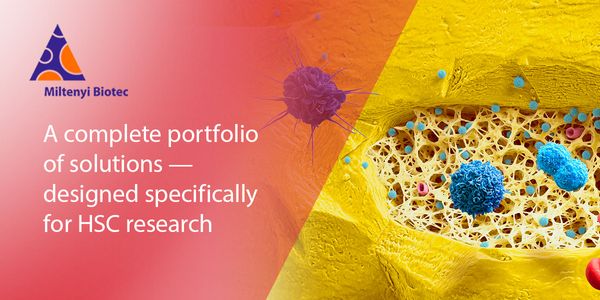
While HSC research holds immense potential for regenerative medicine and disease treatment, the field poses significant challenges. Successful isolation and purification — and the abil...
MAY 24, 2023 | 8:00 AM
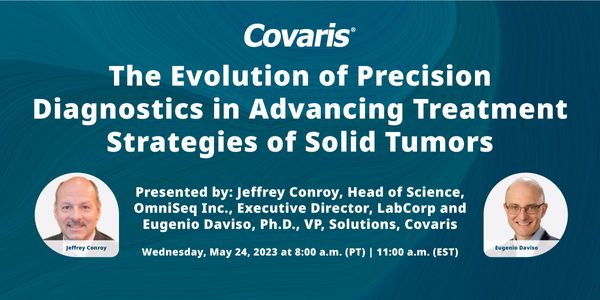
Recent advances in multi-omic approaches, including genomics, transcriptomics, and proteomics, enable a more comprehensive description of the tumor. This promises to accelerate the developme...
MAY 18, 2023 | 9:00 AM
Date: May 18, 2023 Time: 9:00am (PDT), 12:00pm (EDT), 6:00pm (CEST)...
APR 25, 2023 | 8:00 AM
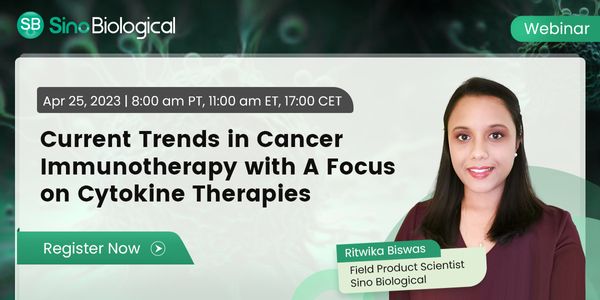
Date: April 25, 2023 Time: 8:00am (PDT), 11:00am (EDT), 5:00pm (CEST) Several promising immunotherapies have emerged in recent decades due to advances in cancer immunology. The paradigm o...
APR 05, 2023 | 11:00 AM
Date: April 05, 2023 Time: 11:00am (NZDT) Date: April 04, 2023 Time: 4:00pm (PST), 7:00pm (EST), 1:00pm (CET) Polymerase chain reaction (PCR) technology-based testing method has been widely...
MAR 30, 2023 | 5:00 PM
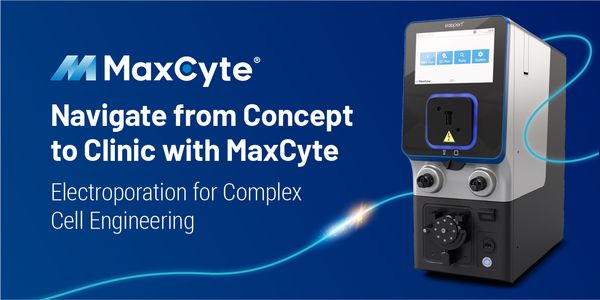
Date: March 30, 2023 Time: 5:00pm (PST), 8:00pm (EST) March 31, 2023 9:00am (JST) Chimeric antigen receptor T cell (CAR-T) therapy is still challenging in targeting solid malignancies. The q...
MAR 30, 2023 | 1:00 PM

The circulating T-cell receptor (TCR) repertoire is a dynamic representation of overall immune responses in an individual. Here we aimed to correlate pre-treatment circulating TCR repertoire...
MAR 30, 2023 | 1:00 PM
The circulating T-cell receptor (TCR) repertoire is a dynamic representation of overall immune responses in an individual. Here we aimed to correlate pre-treatment circulating TCR repertoire...
FEB 22, 2023 | 5:30 AM

Non-alcoholic fatty liver disease (NAFLD) is a spectrum of metabolic disorders affecting 25% of our global population. 20% of NAFLD patients go on to develop Non-alcoholic steatohepatitis (N...