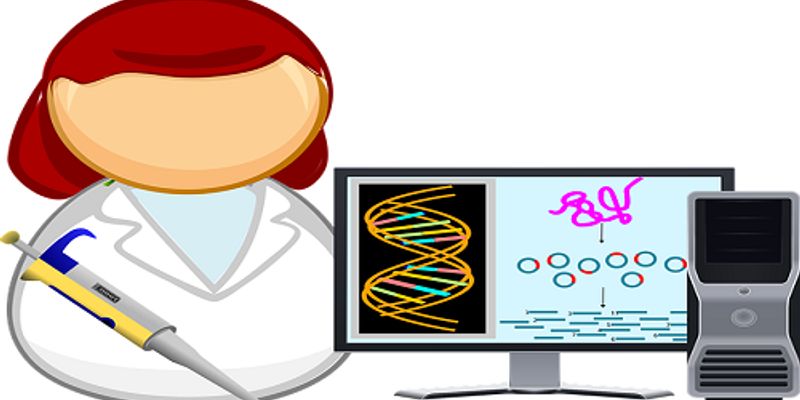
Molecular Diagnostics: Molecular diagnostic tests detect specific sequences in DNA or RNA that may or may not be associated with disease, including single nucleotide polymorphism (SNP), deletions, rearrangements, insertions and others. By analysing the specifics of the patient and their disease, molecular diagnostics offers the prospect of personalized medicine. These tests are useful in a range of medical specialisms, including infectious disease, oncology, human leucocyte antigen typing, coagulation, and pharmacogenomics-the genetic prediction of which drugs will work best.
Liquid chromatography triple quadrupole mass spectrometry (LC/MS/MS) is ideally suited for the direct and rapid analysis of prepared biological samples. While analysis times can be shortened...
Aggressive low-density lipoprotein cholesterol (LDL-C) lowering strategies are recommended for prevention of cardiovascular events in high-risk populations. Guidelines recommend a 30-50% redu...
FDA has generally not enforced applicable regulatory requirements on a group of IVD tests called Laboratory Developed Tests. This use of “enforcement discretion” has been un...
There is agreement among clinicians that laboratory analyses are indispensable for correct diagnosis of disease, therapy, and patient monitoring. It is evident that laboratory data should be...
Drugs of abuse toxicology testing by immunoassays is widely used clinically, but also known to be inadequate for many clinical indications. In this presentation, the speaker will outline diff...
Cancer is complex, but recent findings are yielding a greater understanding of the disease. The tumor suppressor genes BRCA1 and BRCA2 are implicated in breast, ovarian, prostate, and other c...
Next-generation sequencing has emerged as a valuable tool for generating patient-specific genetic information for clinical diagnostics and optimal selection of targeted therapies. The heterog...
DATE: October 28th, 2015TIME: 11am Pacific time, 2pm Eastern timeNew discoveries uncover that exposure to current environmental, dietary, behavioral, and medical conditions can significantly...
Detection of rare mutations is required for reliable identification of mutations in liquid biopsies and heterogeneous tumors. Yet low-level mutation detection remains a technically challengin...
Of special interest in a clinical setting is the identification and interpretation of somatic variants from the DNA of a tumor/normal matched pair. Studies have shown that a large proportion...
A major goal of molecular diagnostics is to find a sensitive and specific means for detecting and quantifying DNA fragments from rare cancer cells (by virtue of an identifying somatic mutatio...
DATE: September 23, 2015TIME: 9AM Pacific time, 12PM Eastern timeThe majority of emerging diseases are infections with viruses that jump species barriers from wildlife or domestic animals to ...
DATE: September 15, 2015TIME: 10:00AM Pacific time, 1:00PM Eastern timeThe breadth of instruments available for quantitative PCR (qPCR) has continued to grow in the past 5-10 years. With ...
Chromosomal microarray analysis (CMA) is an established technology, which has demonstrated great sensitivity and specificity for detecting genome-wide copy number variants (CNVs). CMA represe...
DATE: September 9, 2015TIME: 9:00am PDT, 12:00PM EDTDriver mutations are causally implicated in tumorigenesis and disease progression, and they are defined by molecular abnormalities such as ...
Control of infection from methicillin resistant Staphylococcus aureus (MRSA) has been a healthcare focus for more than 50 years. One of the reasons that active surveillance testing (AST) for...
Biofilm is an ancient and preferred mode of growth for microbes with 99% of all microbes residing in a biofilm. Biofilm is characterized by a community of microbes (usually polymicrobial ofte...
Respiratory viral infections remain a leading cause of medical visits and can contribute significantly to morbidity and mortality. Influenza, together with pneumonia, is the leading infectio...
Among many surprising insights, the genomic revolution has helped us to realize that we're never alone and, in fact, barely human. For most of our lives, we share our bodies with some ten ti...
Date: Wednesday, June 24th, 2015 Time: 09:00AM PDT, 12:00PM EDT, 4:00PM GMT Solaris™ is a new open-air fluorescence imaging system developed by PerkinElmer, enabling translational in vivo pre...
Consistent accuracy in reporting quantitative viral load results is critically important to patients, their physicians and to the clinical laboratory. In clinical practice, quantitative viral...
Matching the mutational profile of a patient's tumor with appropriate targeted agents is a goal of personalized medicine in oncology. The number of FDA-approved targeted therapies, as well as...
Review of recent, post ACA, health care legislation for impact on physicians and clinical laboratories. Overview of possible new health care legislation and update on Medicare regulatory act...
With current NGS platforms, the boundaries of variant detection and gene content for genetic disease panels has been vastly expanded leading to increases in detection rates. However these pla...
Liquid chromatography triple quadrupole mass spectrometry (LC/MS/MS) is ideally suited for the direct and rapid analysis of prepared biological samples. While analysis times can be shortened...
Aggressive low-density lipoprotein cholesterol (LDL-C) lowering strategies are recommended for prevention of cardiovascular events in high-risk populations. Guidelines recommend a 30-50% redu...
FDA has generally not enforced applicable regulatory requirements on a group of IVD tests called Laboratory Developed Tests. This use of “enforcement discretion” has been un...
There is agreement among clinicians that laboratory analyses are indispensable for correct diagnosis of disease, therapy, and patient monitoring. It is evident that laboratory data should be...
Drugs of abuse toxicology testing by immunoassays is widely used clinically, but also known to be inadequate for many clinical indications. In this presentation, the speaker will outline diff...
Cancer is complex, but recent findings are yielding a greater understanding of the disease. The tumor suppressor genes BRCA1 and BRCA2 are implicated in breast, ovarian, prostate, and other c...
Next-generation sequencing has emerged as a valuable tool for generating patient-specific genetic information for clinical diagnostics and optimal selection of targeted therapies. The heterog...
DATE: October 28th, 2015TIME: 11am Pacific time, 2pm Eastern timeNew discoveries uncover that exposure to current environmental, dietary, behavioral, and medical conditions can significantly...
Detection of rare mutations is required for reliable identification of mutations in liquid biopsies and heterogeneous tumors. Yet low-level mutation detection remains a technically challengin...
Of special interest in a clinical setting is the identification and interpretation of somatic variants from the DNA of a tumor/normal matched pair. Studies have shown that a large proportion...
A major goal of molecular diagnostics is to find a sensitive and specific means for detecting and quantifying DNA fragments from rare cancer cells (by virtue of an identifying somatic mutatio...
DATE: September 23, 2015TIME: 9AM Pacific time, 12PM Eastern timeThe majority of emerging diseases are infections with viruses that jump species barriers from wildlife or domestic animals to ...
DATE: September 15, 2015TIME: 10:00AM Pacific time, 1:00PM Eastern timeThe breadth of instruments available for quantitative PCR (qPCR) has continued to grow in the past 5-10 years. With ...
Chromosomal microarray analysis (CMA) is an established technology, which has demonstrated great sensitivity and specificity for detecting genome-wide copy number variants (CNVs). CMA represe...
DATE: September 9, 2015TIME: 9:00am PDT, 12:00PM EDTDriver mutations are causally implicated in tumorigenesis and disease progression, and they are defined by molecular abnormalities such as ...
Control of infection from methicillin resistant Staphylococcus aureus (MRSA) has been a healthcare focus for more than 50 years. One of the reasons that active surveillance testing (AST) for...
Biofilm is an ancient and preferred mode of growth for microbes with 99% of all microbes residing in a biofilm. Biofilm is characterized by a community of microbes (usually polymicrobial ofte...
Respiratory viral infections remain a leading cause of medical visits and can contribute significantly to morbidity and mortality. Influenza, together with pneumonia, is the leading infectio...
Among many surprising insights, the genomic revolution has helped us to realize that we're never alone and, in fact, barely human. For most of our lives, we share our bodies with some ten ti...
Date: Wednesday, June 24th, 2015 Time: 09:00AM PDT, 12:00PM EDT, 4:00PM GMT Solaris™ is a new open-air fluorescence imaging system developed by PerkinElmer, enabling translational in vivo pre...
Consistent accuracy in reporting quantitative viral load results is critically important to patients, their physicians and to the clinical laboratory. In clinical practice, quantitative viral...
Matching the mutational profile of a patient's tumor with appropriate targeted agents is a goal of personalized medicine in oncology. The number of FDA-approved targeted therapies, as well as...
Review of recent, post ACA, health care legislation for impact on physicians and clinical laboratories. Overview of possible new health care legislation and update on Medicare regulatory act...
With current NGS platforms, the boundaries of variant detection and gene content for genetic disease panels has been vastly expanded leading to increases in detection rates. However these pla...
 Follow