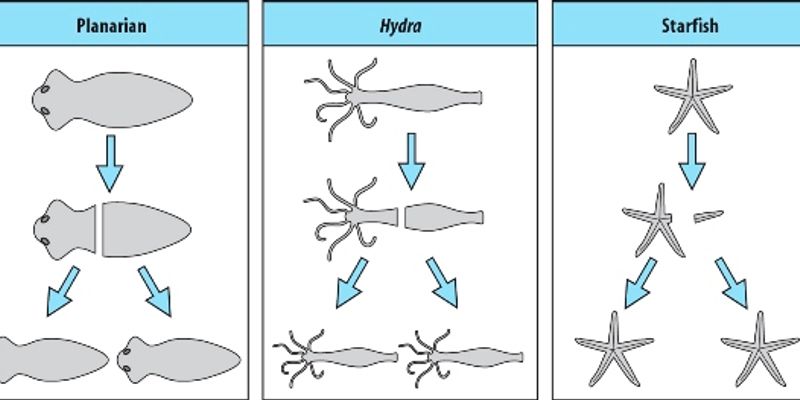
Regeneration: is the process by which lost or damaged tissues, organs or limbs are re-formed from the remaining tissue. During regeneration, adult stem cells and/or progenitor cells differentiate to replace the missing tissue, although in some instances differentiated cells can also participate in the regeneration by proliferation or transdifferentiation.
My talk shall encompass how the stem cell research field has evolved from embryonic stem cells to adult stem cells and currently induced pluripotent stem cells with special reference to the f...
Adult stem cell research is one of the most dynamic and fast growing fields of our time. Investigating how organs maintain and repair themselves has led to the discovery of cell populations t...
The Mexican axolotl (Ambystoma mexicanum) is an aquatic salamander that possesses some of the most astonishing regenerative abilities found in nature. Able to fully regenerate amputated...
Therapeutic application of pluripotent stem (PS) cell-derived products represents the ultimate goal of stem cell research. In order to apply this technology to patients, it is fundamental to ...
Ductal cells share several markers with pancreatic embryonic progenitors, suggesting that ductal cells could be the closest lineage to an adult progenitor in the pancreas, thus their stem-lik...
DATE: June 7, 2017TIME: 9:00AM PDT, 12:00PM EDTPluripotent stem cells (PSCs) offer an unlimited source of human cardiovascular cells for research and the development of cardiac regenera...
Recent advances in single-cell RNA sequencing are producing exciting new insights into cell diversity within different tissues and cancers. Listen in to hear Dr Gonçalo Castelo-B...
Inherited retinal degenerative disorders such as retinitis pigmentosa are characterized by death of the light sensing photoreceptive neurons of the outer retina. Like the rest of the CNS, the...
Buerger’s disease, commonly known as Thromboangiitis obliterans, is a non-atherosclerotic, segmental inflammatory disease that can affect the small and medium-sized arteries of young pe...
Mesenchymal stromal cell (MSC) therapy is a promising option to support endogenous regeneration and immunomodulation. However, the clinical results are contradictory. We think that the recent...
The human body is composed of about 200 different cell types. The identity and function of these distinct cell types are precisely programmed by the regulatory networks encoded in the 3 billi...
Most discussions about pluripotent stem cells center around their promise for regenerative medicine. The most remarkable quality of these cells is their ability to turn into all of the ...
Cataract, or vision loss due to clouding of the eye’s lens, is a large and costly international problem. Over 80 million people currently have low vision due to cataract. Cataracts can ...
One of the ultimate goals in Regenerative Medicine is the generation of pluripotent stem cells (PSCs) directly from somatic cells obtained from patients. Although major findings in the defini...
Years of significant effort can go into generating key proof of concept data to support moving bench research to clinical development.Yet, much work remains in order to transition from POC to...
In healthy liver, quiescent hepatic stellate cells (HSCs) participate in the homeostasis of extracellular matrix and store vitamin A. After injury, HSCs activate and participate in the wound-...
My research program focuses on building the technology to generate diverse human cell-types for application in regenerative medicine and drug toxicology testing. While embryonic stem cells (E...
DATE: August 24th 2016TIME: 8:00AM PST, 11:00AM ESTPreclinical micro-computed tomography (microCT) imaging systems are utilized across a wide range of applications requiring imagi...
Date: Tuesday, April 7th, 2015Time: 8:30AM PST, 11:30AM EST, 5:30PM CETThe development of new medicines for Diabetes Type 2 complications has proven to be challenging due to the use of cell...
Chronic pain has continued to grow as a public health concern, now affecting more than 116 million people in the United States. It is the leading cause of disability among American workers. L...
Spatially restricted protein synthesis is an important mechanism for the development and maintenance of many morphologically polarized cells including neurons. While most proteins are synthes...
The Willerth lab investigates how to engineer neural tissue by combining pluripotent stem cells, controlled drug delivery and biomaterial scaffolds. When generating these replacement tissues,...
Axonal growth and pathfinding is fundamental to the development and regeneration of the nervous system. Src tyrosine kinase has been implicated in this process; however, the detailed molecula...
Multiple Sclerosis is a debilitating neurodegnerative disease of the central nervous system in which the immune system targets and destroys myelin sheaths surrounding axons. Progressive a...
My talk shall encompass how the stem cell research field has evolved from embryonic stem cells to adult stem cells and currently induced pluripotent stem cells with special reference to the f...
Adult stem cell research is one of the most dynamic and fast growing fields of our time. Investigating how organs maintain and repair themselves has led to the discovery of cell populations t...
The Mexican axolotl (Ambystoma mexicanum) is an aquatic salamander that possesses some of the most astonishing regenerative abilities found in nature. Able to fully regenerate amputated...
Therapeutic application of pluripotent stem (PS) cell-derived products represents the ultimate goal of stem cell research. In order to apply this technology to patients, it is fundamental to ...
Ductal cells share several markers with pancreatic embryonic progenitors, suggesting that ductal cells could be the closest lineage to an adult progenitor in the pancreas, thus their stem-lik...
DATE: June 7, 2017TIME: 9:00AM PDT, 12:00PM EDTPluripotent stem cells (PSCs) offer an unlimited source of human cardiovascular cells for research and the development of cardiac regenera...
Recent advances in single-cell RNA sequencing are producing exciting new insights into cell diversity within different tissues and cancers. Listen in to hear Dr Gonçalo Castelo-B...
Inherited retinal degenerative disorders such as retinitis pigmentosa are characterized by death of the light sensing photoreceptive neurons of the outer retina. Like the rest of the CNS, the...
Buerger’s disease, commonly known as Thromboangiitis obliterans, is a non-atherosclerotic, segmental inflammatory disease that can affect the small and medium-sized arteries of young pe...
Mesenchymal stromal cell (MSC) therapy is a promising option to support endogenous regeneration and immunomodulation. However, the clinical results are contradictory. We think that the recent...
The human body is composed of about 200 different cell types. The identity and function of these distinct cell types are precisely programmed by the regulatory networks encoded in the 3 billi...
Most discussions about pluripotent stem cells center around their promise for regenerative medicine. The most remarkable quality of these cells is their ability to turn into all of the ...
Cataract, or vision loss due to clouding of the eye’s lens, is a large and costly international problem. Over 80 million people currently have low vision due to cataract. Cataracts can ...
One of the ultimate goals in Regenerative Medicine is the generation of pluripotent stem cells (PSCs) directly from somatic cells obtained from patients. Although major findings in the defini...
Years of significant effort can go into generating key proof of concept data to support moving bench research to clinical development.Yet, much work remains in order to transition from POC to...
In healthy liver, quiescent hepatic stellate cells (HSCs) participate in the homeostasis of extracellular matrix and store vitamin A. After injury, HSCs activate and participate in the wound-...
My research program focuses on building the technology to generate diverse human cell-types for application in regenerative medicine and drug toxicology testing. While embryonic stem cells (E...
DATE: August 24th 2016TIME: 8:00AM PST, 11:00AM ESTPreclinical micro-computed tomography (microCT) imaging systems are utilized across a wide range of applications requiring imagi...
Date: Tuesday, April 7th, 2015Time: 8:30AM PST, 11:30AM EST, 5:30PM CETThe development of new medicines for Diabetes Type 2 complications has proven to be challenging due to the use of cell...
Chronic pain has continued to grow as a public health concern, now affecting more than 116 million people in the United States. It is the leading cause of disability among American workers. L...
Spatially restricted protein synthesis is an important mechanism for the development and maintenance of many morphologically polarized cells including neurons. While most proteins are synthes...
The Willerth lab investigates how to engineer neural tissue by combining pluripotent stem cells, controlled drug delivery and biomaterial scaffolds. When generating these replacement tissues,...
Axonal growth and pathfinding is fundamental to the development and regeneration of the nervous system. Src tyrosine kinase has been implicated in this process; however, the detailed molecula...
Multiple Sclerosis is a debilitating neurodegnerative disease of the central nervous system in which the immune system targets and destroys myelin sheaths surrounding axons. Progressive a...
 Follow