
 Follow
Therapeutics
Therapeutics: In medicine, the branch that deals specifically with the treatment of disease and the art and science of healing. Exercise, diet, and mental factors are therefore integral to the prevention, as well as the management, of disease processes. More specific measures that are employed to treat specific symptoms include the use of drugs to relieve pain or treat infection, surgery to remove diseased tissue or replace poorly functioning or nonfunctioning organs with fully operating ones, and counseling or psychotherapy to relieve emotional distress.

MAR 18, 2015 | 9:00 AM

The Brain Research through Advancing Innovative Neurotechnologies (BRAIN) Initiative has the ambitious goal of elucidating how neuronal ensembles interactively encode higher brain processes....
JAN 26, 2015 | 8:00 AM
Advances in stem cell biology have raised great expectations that diseases of the central nervous system may be ameliorated by the development of non-haematopoietic stem cell medicines. Yet,...
DEC 09, 2014 | 7:00 AM
Statins are among the most commonly prescribed medications that significantly reduce cardiovascular risk in selected individuals. However, these drugs can also be associated with muscle symp...
OCT 30, 2014 | 3:00 PM
Oncogenic mutations in isocitrate dehydrogenase 1 (IDH1) or 2 (IDH2) compromise their normal activity and induce NADPH-dependent (D)2-hydroxyglutarate (2HG) production within the cytosol or m...
OCT 30, 2014 | 12:00 PM

Although the incidence of breast cancer is steadily increasing, mortality rates are decreasing. This means that the majority of women with breast cancer now survive, making it even more impor...
OCT 30, 2014 | 12:00 PM

Female cancer patients in the reproductive years face a variety of diagnostic and therapeutic procedures which pose teratogenic hazards to an unexpected pregnancy. Ionizing radiation, diagnos...
OCT 30, 2014 | 10:30 AM

Many drugs currently used for anti-cancer therapy demonstrate significant inter-individual variability that cannot be normalized using body weight or body surface area. There is an increasing...
OCT 30, 2014 | 10:30 AM

The era of omics has ushered in the hope for personalized medicine. Proteomic and genomic strategies that allow unbiased identification of genes and proteins and their post-transcriptional a...
OCT 30, 2014 | 6:00 AM

When the BCR/ABL1 fusion protein was identified in chronic myelogenous leukemia and the JAK2 V617F mutation was identified in patients with other myeloproliferative neoplasms (MPNs) such as p...
OCT 29, 2014 | 3:00 PM

Over the last decade we have witnessed tremendous advances in our understanding of the underlying molecular alterations in human cancer. This has stimulated excitement for our ability to deve...
OCT 29, 2014 | 1:30 PM
Human malignant glioma is a uniformly fatal disease, causing over 14,000 deaths in the US this year. Adults diagnosed with malignant brain tumors have a median survival of approximately 15 mo...
OCT 29, 2014 | 9:00 AM
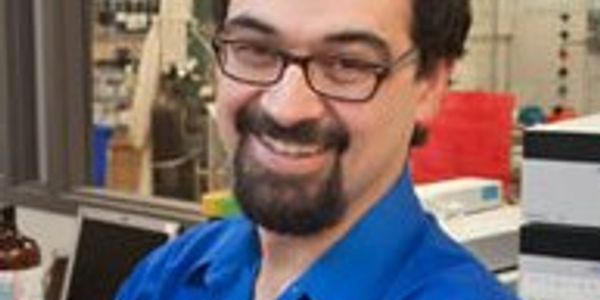
Post-translational methylations play central roles in epigenetic gene regulation pathways that are central to stem cell regulation. Lysine methylations are turn-on switches for hundreds of di...
OCT 29, 2014 | 9:00 AM

Although robust and clinically meaningful biomarkers are key to achieving the current vision for precision (molecularly based), cancer medicine (patient stratification, early diagnosis, drug...
OCT 29, 2014 | 7:30 AM
The effective implementation of personalised cancer therapeutic regimens depends on the successful identification and translation of informative biomarkers to aid clinical decision-making. An...
SEP 24, 2014 | 11:00 AM
Heptares Therapeutics is a structure based drug discovery and development company which uses it StaR technology to enable X-ray structures, fragment screening and other biophysical techniques...
SEP 24, 2014 | 11:00 AM

This presentation will focus on NuMediis general approach towards the discovery of new therapeutic uses for existing drugs. While the business models for repurposing marketed drugs versus rep...
SEP 24, 2014 | 10:00 AM

The ever-quickening pace of breathtaking advances in our understanding of disease biology has implicitly promised a profusion of drugs that will dramatically improve human health and well-bei...
SEP 24, 2014 | 10:00 AM
The ever-quickening pace of breathtaking advances in our understanding of disease biology has implicitly promised a profusion of drugs that will dramatically improve human health and well-bei...

SEP 24, 2014 | 8:00 AM
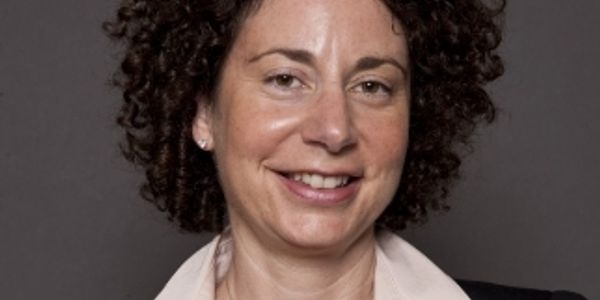
Antibiotics are among the most important advances in the history of modern medicine. They turned often acutely fatal infections into treatable indications with radical cures. Antibiotics co...
SEP 24, 2014 | 8:00 AM

Target selection is arguably the most important decision in all drug discovery and development activities. No amount of great science can overcome the selection of the wrong target. The rapid...
SEP 24, 2014 | 7:00 AM
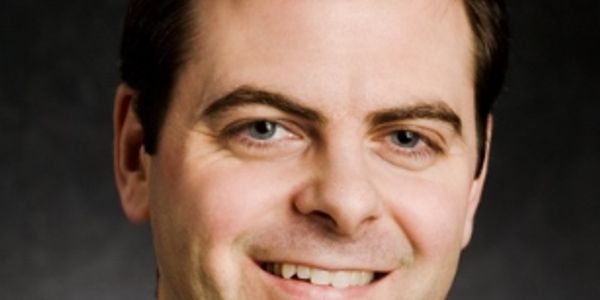
Diseases caused by an excess of protein function can often be treated by small molecule inhibitors. In contrast, many diseases caused by missing proteins cannot be addressed with this classic...
SEP 24, 2014 | 5:00 AM
Macrocycles offer a new structural class that has the potential to address challenging protein-protein interaction targets and still present attractive drug-like properties including cell mem...
OCT 30, 2014 | 6:00 AM
When the BCR/ABL1 fusion protein was identified in chronic myelogenous leukemia and the JAK2 V617F mutation was identified in patients with other myeloproliferative neoplasms (MPNs) such as p...
OCT 29, 2014 | 3:00 PM
Over the last decade we have witnessed tremendous advances in our understanding of the underlying molecular alterations in human cancer. This has stimulated excitement for our ability to deve...