Biomarker Discovery is a process in which molecular substances in the body are used to indicate health or disease. One of the biggest challenges in biomarker discovery is the difficulty of identifying medium to low abundance proteins in complex biological samples.
Understanding the immune repertoire is an important aspect of immuno-oncology research, which can be used to gather insights into the function and overall status of the immune system. We have...
All forms of life require immune systems to stave off infection from viruses and other pathogens. In bacteria and archaea, clustered regularly interspaced short palindromic repeats (CRISPR) a...
The most recently developed genome editing system, CRISPR-Cas9 has greater inherent flexibility than prior programmable nuclease platforms. Because of its simplicity and efficacy, this techno...
With the advent of cost-effective culturing approaches, 3D cell culture models (3D-CCMs) have been rapidly adopted for drug discovery since they provide a more physiologically relevant micro-...
Current methods for in vitro diagnosis of autoimmune diseases (ADs) are mainly based on the detection of circulating autoantibodies using specific AD autoantigens. A high-quality recombinant...
The soil microbiome can produce, resist, or degrade antibiotics and even catabolize them. Resistance genes are widely distributed in the soil and may act as a reservoir for pathogen antibioti...
Horizontal gene transfer (HGT) – or the non-genealogical transmission of DNA between organisms – is the dominant mode responsible for the spread of antibiotic resistance genes. Co...
Viruses outnumber bacteria in soil by as much as 1000:1. However, there are few studies which examine the ways viral communities impact the soil microbiome, chemical cycles, and plants. Recen...
DiseaseLand is an integrated genomics database and visualization software that helps researchers explore 1000s of public and private datasets covering, but not limited to therapeutic areas su...
DATE: September 12, 2018 TIME: 08:00am PDT, 11:00am EDT In the last presentation of this webinar series, we will continue our discussions on recent advancements i...
The WHO has set ambitious targets for eliminating TB in low-incidence countries such as the US and Canada. While it’s true that the majority of TB cases in these settings arise from rea...
DATE: August, 16, 2018TIME: 08:00AM PDTThis webinar will review recent advancements in the application of next-generation sequencing of T cell receptor beta (TCRB) chain repertoires towards...
DATE: August 7, 2018TIME: 08:00AM PDT, 11:00AM EDTWe are currently at an exciting precipice in clinical oncology management, where an increased rate of biomarker identification is drivi...
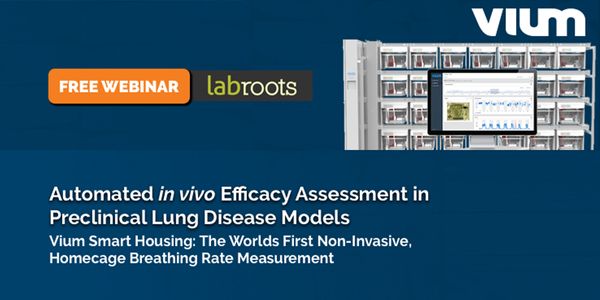
Treatments for respiratory diseases represent an enormous, unmet medical need with limited therapies currently approved for use. Despite many compounds demonstrating beneficial effects in ani...
There is robust evidence supporting strong association with CYP450 (Phase 1) enzymes and influence on drug levels (affecting response & side effects in many cases) with many psychotropic...
Advances in DNA sequencing, based upon massively parallel sequencing, has resulted in dramatic advances in DNA sequence output in the past few years. It is now possible to generate terrabases...
The introduction of targeted therapies into the clinical management of lung adenocarcinoma has had a massive impact on patient care. Multiple driver mutations are now druggable and treatments...
Finding effective treatments for cancer is fundamentally a high-dimensional probabilistic planning, search, and optimization problem, characterized by thousands of molecular subty...
Crohn’s disease and ulcerative colitis also known as inflammatory bowel diseases or IBD, are characterized by chronic, recurrent inflammation of the gastrointestinal tract, which result...
Rare disease affects 30 million people in the United States, with nearly 50% of cases affecting children. Because nearly 80% of rare diseases are genetic, advancements in genomic testing are...
Regulation of precision medicine is rapidly evolving. The pre-existing regulatory framework did not contemplate many of the products and technologies which are becoming available with p...
Recent advancements in the precision medicine field have presented a great promise to provide innovative solutions to pharmaceutical and healthcare industry to help transform medicine. By fin...
The therapeutic applications of medical cannabis and cannabinoid drugs is controversial, however the number of medical conditions in which cannabinoids and cannabis have shown promise as ther...
Understanding the immune repertoire is an important aspect of immuno-oncology research, which can be used to gather insights into the function and overall status of the immune system. We have...
All forms of life require immune systems to stave off infection from viruses and other pathogens. In bacteria and archaea, clustered regularly interspaced short palindromic repeats (CRISPR) a...
The most recently developed genome editing system, CRISPR-Cas9 has greater inherent flexibility than prior programmable nuclease platforms. Because of its simplicity and efficacy, this techno...
With the advent of cost-effective culturing approaches, 3D cell culture models (3D-CCMs) have been rapidly adopted for drug discovery since they provide a more physiologically relevant micro-...
Current methods for in vitro diagnosis of autoimmune diseases (ADs) are mainly based on the detection of circulating autoantibodies using specific AD autoantigens. A high-quality recombinant...
The soil microbiome can produce, resist, or degrade antibiotics and even catabolize them. Resistance genes are widely distributed in the soil and may act as a reservoir for pathogen antibioti...
Horizontal gene transfer (HGT) – or the non-genealogical transmission of DNA between organisms – is the dominant mode responsible for the spread of antibiotic resistance genes. Co...
Viruses outnumber bacteria in soil by as much as 1000:1. However, there are few studies which examine the ways viral communities impact the soil microbiome, chemical cycles, and plants. Recen...
DiseaseLand is an integrated genomics database and visualization software that helps researchers explore 1000s of public and private datasets covering, but not limited to therapeutic areas su...
DATE: September 12, 2018 TIME: 08:00am PDT, 11:00am EDT In the last presentation of this webinar series, we will continue our discussions on recent advancements i...
The WHO has set ambitious targets for eliminating TB in low-incidence countries such as the US and Canada. While it’s true that the majority of TB cases in these settings arise from rea...
DATE: August, 16, 2018TIME: 08:00AM PDTThis webinar will review recent advancements in the application of next-generation sequencing of T cell receptor beta (TCRB) chain repertoires towards...
DATE: August 7, 2018TIME: 08:00AM PDT, 11:00AM EDTWe are currently at an exciting precipice in clinical oncology management, where an increased rate of biomarker identification is drivi...
Treatments for respiratory diseases represent an enormous, unmet medical need with limited therapies currently approved for use. Despite many compounds demonstrating beneficial effects in ani...
There is robust evidence supporting strong association with CYP450 (Phase 1) enzymes and influence on drug levels (affecting response & side effects in many cases) with many psychotropic...
Advances in DNA sequencing, based upon massively parallel sequencing, has resulted in dramatic advances in DNA sequence output in the past few years. It is now possible to generate terrabases...
The introduction of targeted therapies into the clinical management of lung adenocarcinoma has had a massive impact on patient care. Multiple driver mutations are now druggable and treatments...
Finding effective treatments for cancer is fundamentally a high-dimensional probabilistic planning, search, and optimization problem, characterized by thousands of molecular subty...
Crohn’s disease and ulcerative colitis also known as inflammatory bowel diseases or IBD, are characterized by chronic, recurrent inflammation of the gastrointestinal tract, which result...
Rare disease affects 30 million people in the United States, with nearly 50% of cases affecting children. Because nearly 80% of rare diseases are genetic, advancements in genomic testing are...
Regulation of precision medicine is rapidly evolving. The pre-existing regulatory framework did not contemplate many of the products and technologies which are becoming available with p...
Recent advancements in the precision medicine field have presented a great promise to provide innovative solutions to pharmaceutical and healthcare industry to help transform medicine. By fin...
The therapeutic applications of medical cannabis and cannabinoid drugs is controversial, however the number of medical conditions in which cannabinoids and cannabis have shown promise as ther...
 Follow