 Follow
Chromatin
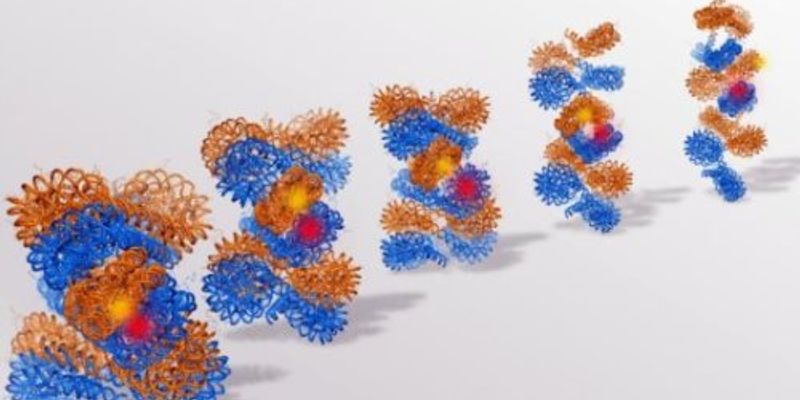
Chromatin: is a complex of DNA and proteins that forms chromosomes within the nucleus of eukaryotic cells. Chromatin exists in two forms. One form, called euchromatin, is less condensed and can be transcribed. The second form, called heterochromatin, is highly condensed and is typically not transcribed.



JUN 16, 2020 | 8:00 AM

DATE: June 16, 2020 TIME: 8:00am PT Multi-wavelength analysis of hydrodynamic data collected on the latest analytical ultracentrifugation instruments provides additional resolution and insig...

APR 29, 2020 | 6:00 AM

Histone post-translational modifications (PTMs) play pivotal roles in chromatin dynamics and function, with alterations in the healthy profile associated with diverse human pathologies. The...
APR 24, 2020 | 8:00 AM
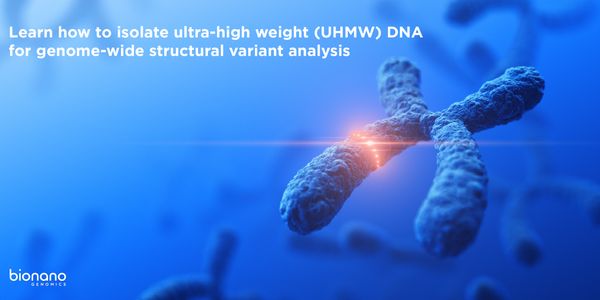
DATE: April 24, 2020 TIME: 8:00am PT, 11:00am ET, 5:00pm CET...
APR 21, 2020 | 12:00 PM

Careful and deliberate packaging of the genome is essential to ensuring correct and timely transcriptional programs. Chromatin conformation capture (3C and Hi-C) is a powerful approach for c...
APR 21, 2020 | 12:00 AM

Structural variation within plant genomes has fueled domestication and selection of traits critical for modern breeding of crop plants. Nevertheless, dissecting the diversity of structural v...
APR 15, 2020 | 9:00 AM
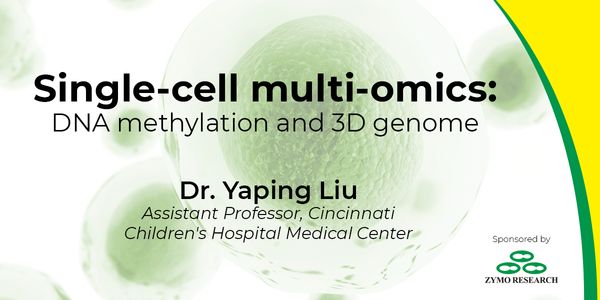
DATE: April 15, 2020 TIME: 9:00am PT, 12:00pm ET We report a molecular assay, Methyl-HiC, that can simultaneously capture the chromosome conformation and DNA methylome in a cell. Methyl-HiC...
APR 02, 2020 | 8:00 AM
DATE: April 2, 2020 TIME: 8:00am PT, 11:00am ET Cyclins A2 and E1 regulate the cell cycle by promoting S phase entry and progression. We recently identified a hepatocellular carcinoma (HCC)...
OCT 30, 2019 | 7:00 AM
DATE: October 30, 2019TIME: 7:00am PDTJoin us for a webinar to learn how to apply single cell methods to study cancer. Dr. William Greenleaf, Associate Professor from Stanford Universit...
SEP 05, 2019 | 7:00 AM

DATE: September 5, 2019TIME: 7:00am PT, 10:00am ET, 4:00pm CEST PCR (Polymerase Chain Reaction) has gone through a massive evolution since its development in 1983. Besides it...
MAY 08, 2019 | 6:00 AM

In this webinar, we will discuss our most recent additions to our CRISPR protein portfolio, the GFP-SpCas9 and GFP-eCas9 fusion proteins. The two GFP-Cas9 fusion proteins offer great visualiz...
MAY 08, 2019 | 6:00 AM
C.E. CREDITS

Genetic drivers of cancer can be dysregulated through epigenetic modifications of DNA. Although the critical role of DNA 5-methylcytosine (5mC) in the regulation of transcription is recognize...
OCT 31, 2018 | 8:00 AM
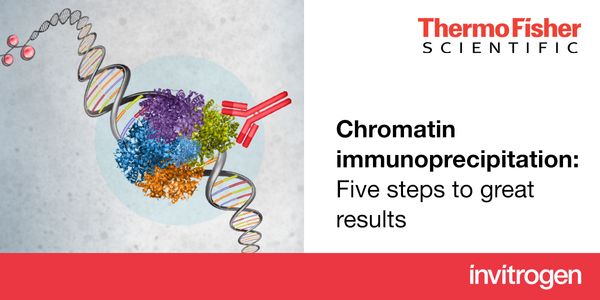
DATE: October 31, 2018TIME: 8:00AM PDTChromatin immunoprecipitation (ChIP) is a technique researchers employ to obtain a snapshot of protein-DNA interactions in the cell. ChI...
OCT 23, 2018 | 9:00 AM
DATE: October 23, 2018TIME: 9:00AM PDTIxodes scapularis is the principal vector of the Lyme disease spirochete, Borrelia burgdorferi. I. scapularis genome was the first and only...
JUN 21, 2018 | 1:30 PM

There is robust evidence supporting strong association with CYP450 (Phase 1) enzymes and influence on drug levels (affecting response & side effects in many cases) with many psychotropic...