Diagnosis: is the process of determining which disease or condition explains a person's symptoms and signs. It is most often referred to as diagnosis with the medical context being implicit.
DATE: November 16, 2020 TIME: 05:00am PST, 2:00pm CET It may be impossible to stop the inexorable move towards pandemic levels of diabetes, but we can improve the glycaemic control in our pa...
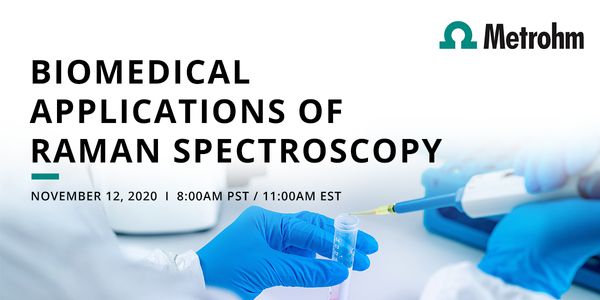
Date: November 12, 2020 Time: 8:00am (PST), 11:00am (EST) Vaccine development, disease diagnosis and early medical intervention are all supported by Raman spectroscopy. This tool provides ri...
Immunohistochemistry (IHC) is used to determine spatial relationships where we can identify the localization of target proteins in specific regions and cells of a tissue. IHC has been the go...
Cancer cells can acquire immune resistance resulting in a loss of immunosurveillance. Tumor cells can upregulate PDL-1 which binds to PD-1. This complex inhibits CD8 Tumor Infiltrating cells...
Cases of traumatic brain injury (TBI) have been steadily rising over the past decade with most common causes of injury observed among participants in contact sports, combat military personne...
Date: November 2, 2020 Time: 8:00am PST. Rapid and accurate microbial diagnostic information can change treatment courses and outcomes for patients inflicted with infections. The limitation...
Molecular testing of NCSLC biopsies is extremely important in the care and management of these patients. However, NCSLC biopsies are typically very small and require multiple types of analys...
Molecular testing of NCSLC biopsies is extremely important in the care and management of these patients. However, NCSLC biopsies are typically very small and require multiple types of analys...
The treatment of cancer has remarkably improved because of increased knowledge of the molecular abnormalities that drive human cancer growth. This has led to the development of ever more eff...
The treatment of cancer has remarkably improved because of increased knowledge of the molecular abnormalities that drive human cancer growth. This has led to the development of ever more eff...
There is an expanding list of therapeutically relevant biomarkers for non-small cell lung cancer (NSCLC), and molecular profiling at diagnosis is paramount. Tissue attrition in scaling tradi...
There is an expanding list of therapeutically relevant biomarkers for non-small cell lung cancer (NSCLC), and molecular profiling at diagnosis is paramount. Tissue attrition in scaling tradi...
DATE: October 09, 2020 TIME: 08:00am PT Traditional culture techniques, as the primary diagnostic tool for infectious diseases, are coming under scrutiny for failing to universally detect in...
While circulating cell-free DNA (ccfDNA) and to some extend CTCs from blood are routinely used as analyte in liquid biopsy cancer research applications, circulating cell-free RNA (ccfRNA) ha...
Soluble cytokine biomarkers are the master regulators of cell-to-cell communication-- the means by which one cell tells another what to do or where to go. Determining the biomarker signature...
Multiplex detection of oncogenic mutations using LNA-based assays on the QIAcuity digital PCR system Digital PCR (dPCR) enables specific and sensitive detection of genetic alterations in onc...
The continued rapid expansion of immunotherapies, including both in vivo and ex vivo therapeutics, has driven the development and adoption of novel tools to study, asses and understand these...
Martin highlights various factors impacting molecular analysis from FFPE samples and key challenges and considerations while working with this precious yet challenging sample type. Learning...
Antibodies have become one of the most important tools in life science research, allowing the detection, quantitation, and determination of changes in proteins and other molecules with respe...
Immunohistochemistry (IHC) is used to determine spatial relationships where we can identify the localization of target proteins in specific regions and cells of a tissue. IHC has been the go...
Mutations in the epidermal growth factor receptor gene (EGFR) and the known Kirsten rat sarcoma viral oncogene (KRAS) are significant drivers in the development of non-small-cell lung cancer...
Individuals of under-represented minority ancestry are at disproportional risk for higher incidence and mortality rates for particular cancers. The unequal burden of cancer in certain racial...
Every patient is different and so is every tumor! The term “personalized oncology” today is largely associated with sequencing approaches. Current publications proof more and mor...
DATE: November 16, 2020 TIME: 05:00am PST, 2:00pm CET It may be impossible to stop the inexorable move towards pandemic levels of diabetes, but we can improve the glycaemic control in our pa...
Date: November 12, 2020 Time: 8:00am (PST), 11:00am (EST) Vaccine development, disease diagnosis and early medical intervention are all supported by Raman spectroscopy. This tool provides ri...
Immunohistochemistry (IHC) is used to determine spatial relationships where we can identify the localization of target proteins in specific regions and cells of a tissue. IHC has been the go...
Cancer cells can acquire immune resistance resulting in a loss of immunosurveillance. Tumor cells can upregulate PDL-1 which binds to PD-1. This complex inhibits CD8 Tumor Infiltrating cells...
Cases of traumatic brain injury (TBI) have been steadily rising over the past decade with most common causes of injury observed among participants in contact sports, combat military personne...
Date: November 2, 2020 Time: 8:00am PST. Rapid and accurate microbial diagnostic information can change treatment courses and outcomes for patients inflicted with infections. The limitation...
Molecular testing of NCSLC biopsies is extremely important in the care and management of these patients. However, NCSLC biopsies are typically very small and require multiple types of analys...
Molecular testing of NCSLC biopsies is extremely important in the care and management of these patients. However, NCSLC biopsies are typically very small and require multiple types of analys...
The treatment of cancer has remarkably improved because of increased knowledge of the molecular abnormalities that drive human cancer growth. This has led to the development of ever more eff...
The treatment of cancer has remarkably improved because of increased knowledge of the molecular abnormalities that drive human cancer growth. This has led to the development of ever more eff...
There is an expanding list of therapeutically relevant biomarkers for non-small cell lung cancer (NSCLC), and molecular profiling at diagnosis is paramount. Tissue attrition in scaling tradi...
There is an expanding list of therapeutically relevant biomarkers for non-small cell lung cancer (NSCLC), and molecular profiling at diagnosis is paramount. Tissue attrition in scaling tradi...
DATE: October 09, 2020 TIME: 08:00am PT Traditional culture techniques, as the primary diagnostic tool for infectious diseases, are coming under scrutiny for failing to universally detect in...
While circulating cell-free DNA (ccfDNA) and to some extend CTCs from blood are routinely used as analyte in liquid biopsy cancer research applications, circulating cell-free RNA (ccfRNA) ha...
Soluble cytokine biomarkers are the master regulators of cell-to-cell communication-- the means by which one cell tells another what to do or where to go. Determining the biomarker signature...
Multiplex detection of oncogenic mutations using LNA-based assays on the QIAcuity digital PCR system Digital PCR (dPCR) enables specific and sensitive detection of genetic alterations in onc...
The continued rapid expansion of immunotherapies, including both in vivo and ex vivo therapeutics, has driven the development and adoption of novel tools to study, asses and understand these...
Martin highlights various factors impacting molecular analysis from FFPE samples and key challenges and considerations while working with this precious yet challenging sample type. Learning...
Antibodies have become one of the most important tools in life science research, allowing the detection, quantitation, and determination of changes in proteins and other molecules with respe...
Immunohistochemistry (IHC) is used to determine spatial relationships where we can identify the localization of target proteins in specific regions and cells of a tissue. IHC has been the go...
Mutations in the epidermal growth factor receptor gene (EGFR) and the known Kirsten rat sarcoma viral oncogene (KRAS) are significant drivers in the development of non-small-cell lung cancer...
Individuals of under-represented minority ancestry are at disproportional risk for higher incidence and mortality rates for particular cancers. The unequal burden of cancer in certain racial...
Every patient is different and so is every tumor! The term “personalized oncology” today is largely associated with sequencing approaches. Current publications proof more and mor...

 Follow