 Follow
Disease Modeling
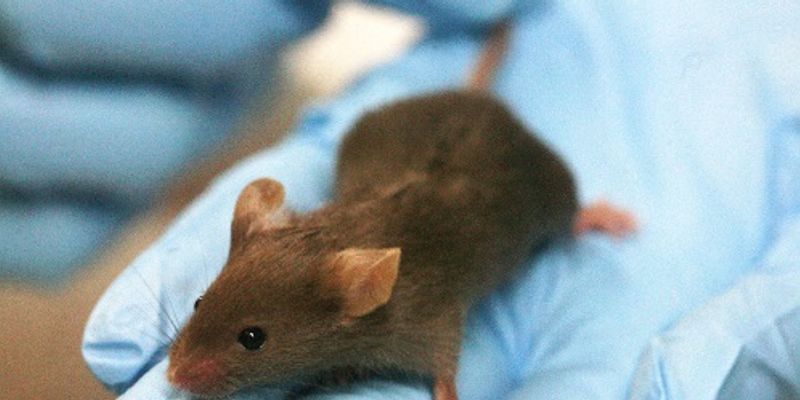
Disease modeling is the use of a disease model, which is an animal or cells containing all or some of the pathological characteristics and mechanisms of a disease, to study that particular disease.

DEC 10, 2024 | 9:00 AM
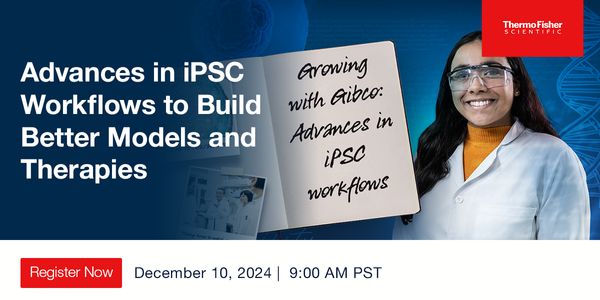
At Thermo Fisher Scientific, our goal is to bring innovative new products and services that enable the development of more physiologically relevant disease models to help accelerate the drug...
NOV 06, 2024 | 10:00 AM
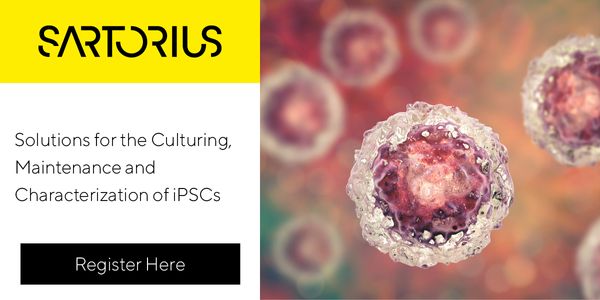
Stem cells, particularly Induced Pluripotent Stem Cells (iPSCs), are becoming essential tools in scientific research, from drug discovery to disease modeling. As the scientific community shi...
JUN 25, 2024 | 9:00 PM
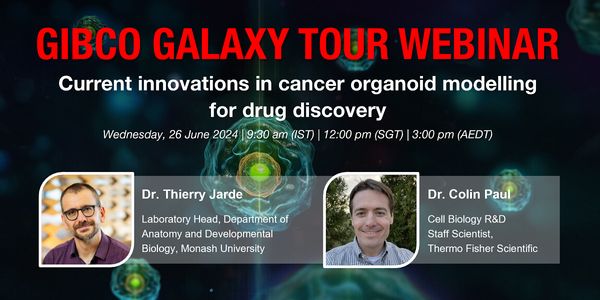
Over 95% of potential anti-cancer drugs failed in clinical trials despite vast investment to bring the drug to market. The last decade of cancer research has also seen numerous advances aime...
On Demand
C.E. CREDITS

Current cancer research is hindered by the limitations of existing experimental systems, which fall short in demonstrating concordance with human studies. In this way, we aim to develop mode...
FEB 08, 2024 | 10:00 AM
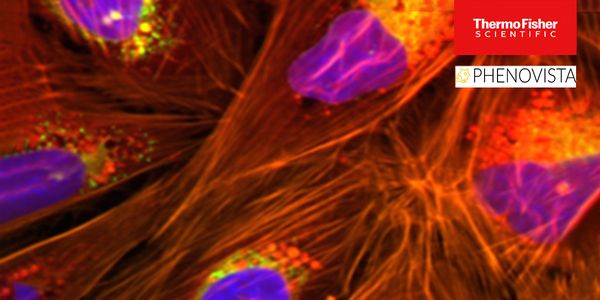
High-content screening (HCS) is an imaging-based, multi-parametric strategy used in drug development that generates rich datasets through multiplexing strategically chosen fluorescent dyes a...
JAN 23, 2024 | 12:00 PM

From drug discovery to organoid modeling of disease, stem cells are increasingly being used in research as a vital tool for scientific investigation. Due to the specialized nature of stem ce...
JAN 23, 2024 | 10:00 AM

Organoid technologies are increasingly being used as in vitro models of human development and disease because they exhibit morphogenetic, structural and functional properties that recapitula...
DEC 12, 2023 | 8:00 PM
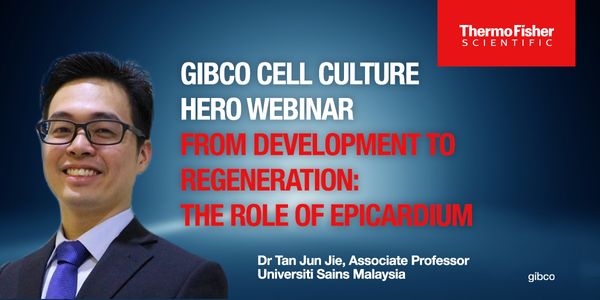
Embryonic epicardium is crucial for normal heart morphogenesis. The tissue originates from the proepicardial organ, with cells migrating to form the outer mesothelial layer, giving rise to n...
DEC 01, 2023 | 6:00 AM
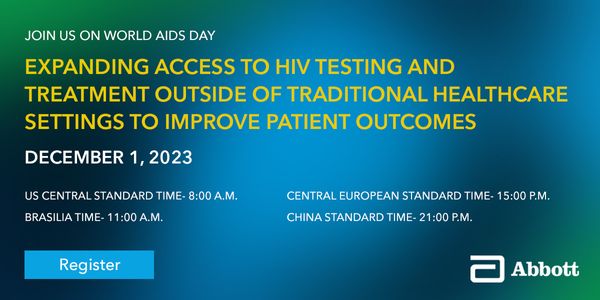
In recognition of World AIDS Day, we invite you to discover the innovative work being done to help end the HIV epidemic in some of the hardest hit areas in India. A diagnosis is the first st...
NOV 14, 2023 | 9:00 PM

Spheroids and organoids, two examples of 3D cell culture models, have become invaluable tools to study the processes that dictate behavior of tissues under physiological and pathological con...
NOV 14, 2023 | 8:00 AM
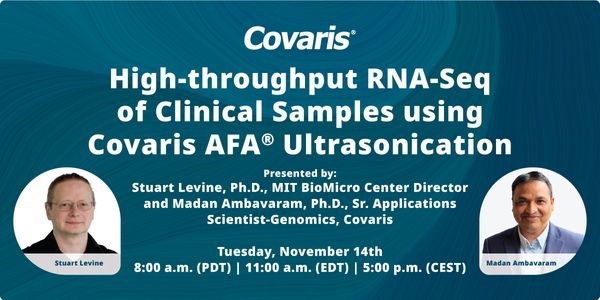
RNA-Seq remains a critical and robust methodology in understanding cellular and organismal changes associated with development and disease. Advances in automation have helped reduce the cost...
OCT 31, 2023 | 9:00 AM
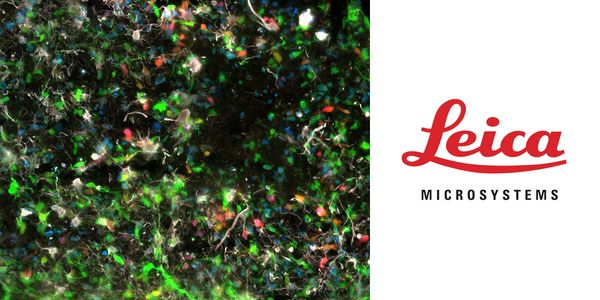
Gene therapy holds potential for treating neurological diseases by delivering genetic information into specific cell types. However, selective and efficient targeting of cell types remains c...
OCT 25, 2023 | 10:00 AM
Oxidative stress, a critical factor affecting cell health, has gained prominence in assessing various medical conditions. Given this importance, researchers need a wide range of tools to tho...
OCT 24, 2023 | 9:00 PM
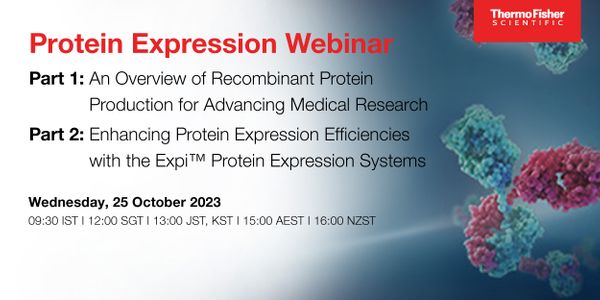
This webinar is hosted by Thermo Fisher Scientific in collaboration with the Walter and Eliza Hall Institute of Medical Research (WEHI). The webinar aims to demonstrate the benefits of the E...
OCT 24, 2023 | 8:00 AM
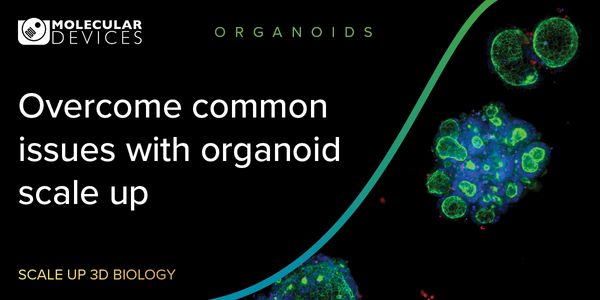
Organoids are three-dimensional (3D) multi-cellular, microtissues derived from stem cells that closely mimic the complex structure and functionality of human organs. They offer more accurate...
OCT 24, 2023 | 8:00 AM
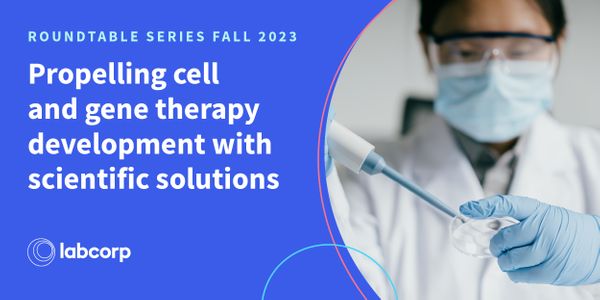
To bring your cutting-edge cell and gene therapies to the patients that need them as quickly as possible, you need access to the most knowledgeable scientists, innovative technologies, metho...
OCT 24, 2023 | 10:00 AM
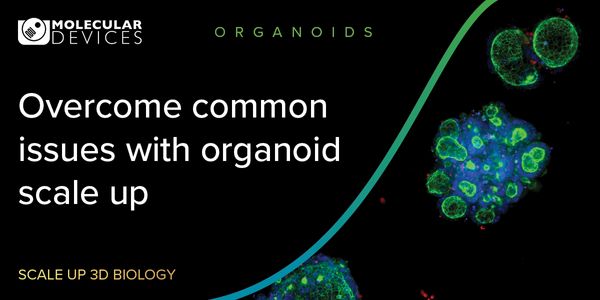
Organoids are three-dimensional (3D) multi-cellular, microtissues derived from stem cells that closely mimic the complex structure and functionality of human organs. They offer more accurate...
OCT 05, 2023 | 1:00 AM
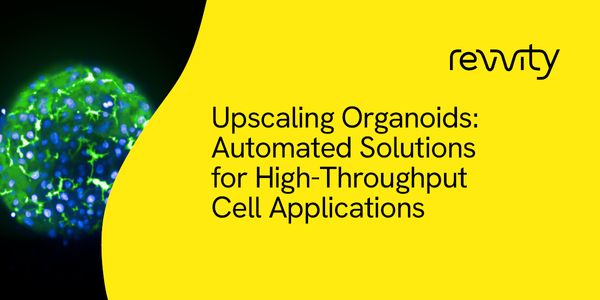
Organoids continue to gain traction in drug discovery efforts as they offer a more biologically relevant disease model than traditional approaches. But they aren't without challenges. Jo...
SEP 28, 2023 | 7:00 AM
Webinars will be available for unlimited on-demand viewing after live event. Labroots is approved as a provider of continuing education programs in the clinical laboratory sciences by the AS...
SEP 26, 2023 | 8:00 AM
Join us for an educational webinar that delves into the fascinating world of Extracellular Vesicles (EVs) and their impact on biomedical research and medicine. In collaboration with ExoVecto...
SEP 13, 2023 | 9:00 AM
CRISPR-based forward genetic screens can be used to identify essential genes in proliferating human cell lines. Although environmental factors also influence gene essentiality, most CRISPR-b...
AUG 24, 2023 | 9:00 AM
Join us in an engaging webinar as Adrian Simpson, from HDT Bio, delves into the intriguing science behind their novel emulsion platform, known as LION. Discover how this cutting-edge platfor...
NOV 14, 2023 | 8:00 AM
RNA-Seq remains a critical and robust methodology in understanding cellular and organismal changes associated with development and disease. Advances in automation have helped reduce the cost...
OCT 31, 2023 | 9:00 AM
Gene therapy holds potential for treating neurological diseases by delivering genetic information into specific cell types. However, selective and efficient targeting of cell types remains c...
OCT 25, 2023 | 10:00 AM
Oxidative stress, a critical factor affecting cell health, has gained prominence in assessing various medical conditions. Given this importance, researchers need a wide range of tools to tho...
OCT 24, 2023 | 9:00 PM
This webinar is hosted by Thermo Fisher Scientific in collaboration with the Walter and Eliza Hall Institute of Medical Research (WEHI). The webinar aims to demonstrate the benefits of the E...
OCT 24, 2023 | 8:00 AM
Organoids are three-dimensional (3D) multi-cellular, microtissues derived from stem cells that closely mimic the complex structure and functionality of human organs. They offer more accurate...
OCT 24, 2023 | 8:00 AM
To bring your cutting-edge cell and gene therapies to the patients that need them as quickly as possible, you need access to the most knowledgeable scientists, innovative technologies, metho...
OCT 24, 2023 | 10:00 AM
Organoids are three-dimensional (3D) multi-cellular, microtissues derived from stem cells that closely mimic the complex structure and functionality of human organs. They offer more accurate...
OCT 05, 2023 | 1:00 AM
Organoids continue to gain traction in drug discovery efforts as they offer a more biologically relevant disease model than traditional approaches. But they aren't without challenges. Jo...
SEP 28, 2023 | 7:00 AM
Webinars will be available for unlimited on-demand viewing after live event. Labroots is approved as a provider of continuing education programs in the clinical laboratory sciences by the AS...
SEP 26, 2023 | 8:00 AM
Join us for an educational webinar that delves into the fascinating world of Extracellular Vesicles (EVs) and their impact on biomedical research and medicine. In collaboration with ExoVecto...
SEP 13, 2023 | 9:00 AM
CRISPR-based forward genetic screens can be used to identify essential genes in proliferating human cell lines. Although environmental factors also influence gene essentiality, most CRISPR-b...
AUG 24, 2023 | 9:00 AM
Join us in an engaging webinar as Adrian Simpson, from HDT Bio, delves into the intriguing science behind their novel emulsion platform, known as LION. Discover how this cutting-edge platfor...