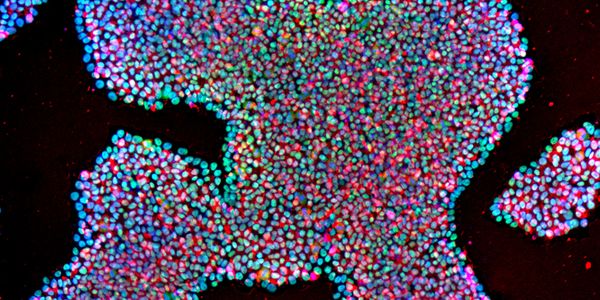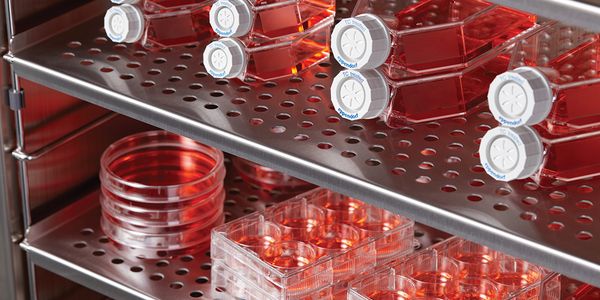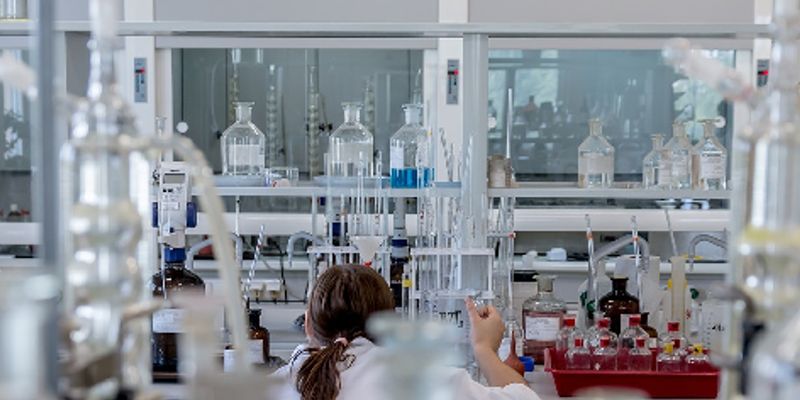
A medical laboratory (also known as clinical laboratory) is a laboratory where tests are done on clinical specimens with the purpose of getting information about a patients health in order to treat, diagnose and/or prevent disease. Medical laboratories often staff the following: Phlebotomists, Pathologists, Pathologists's assistants, Medical laboratory scientists, Medical laboratory assistants, Medical laboratory technicians, and Clinical biochemists, just to name a few.

The development of automated DNA sequencers utilizing Sanger sequencing and capillary electrophoresis made it possible to develop the first draft sequences of the human genome. The cost of do...
Tumor mutational burden (TMB) is an emerging biomarker that correlates with response to immunotherapeutic agents, such as checkpoint inhibitors. Recent studies indicate that a high mutation l...
The NIH put Precision Medicine on the map as a revolutionary way to manage disease, delivering the right treatment, to the right patient, at the right time. But what does Precision Medicine r...
Recent advances in genomic technologies have revealed enormous complexities and uniqueness of human physiology. Although enormous efforts are being made to apply this knowledge to enhance the...
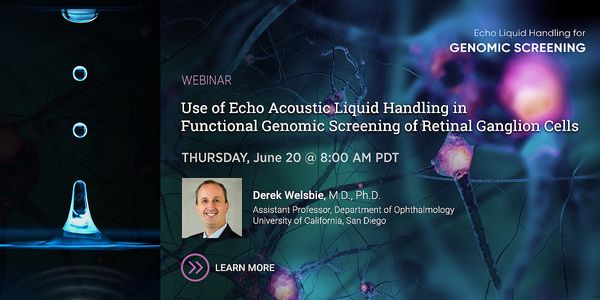
DATE: June 20, 2019TIME: 8:00am PDTRetinal ganglion cells (RGCs) are projection neurons that process and transmit visual information from the retina to the brain. In a group of disea...
Most cancer therapies have highly variable activity from one patient to another, with only a fraction of patients’ cancers responding to a given treatment. In many types of cancer, comb...
Inherited disorders affect millions of people globally. These diseases significantly impact lives of patients and their families, and in addition, also results in substantial socio-economic i...
Virtually all tumors are genetically heterogeneous, containing subclonal populations of cells that are defined by distinct mutations. Subclones can have unique phenotypes that influence disea...
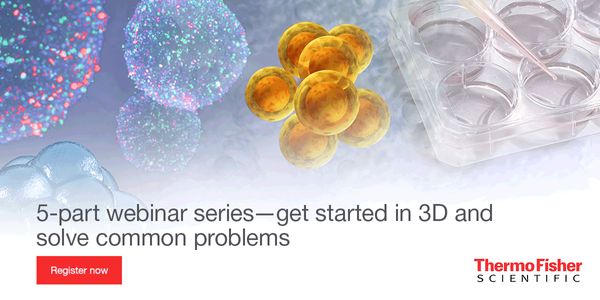
DATE: June 19, 2019TIME: 10:00am PDT, 1:00pm EDT As we develop new methods to create more biologically relevant models for research in understanding disease etiology and in...
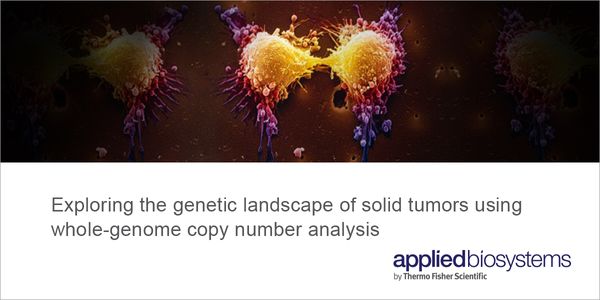
DATE: June 19, 2019TIME: 8:00am PDT, 11:00am EDT Approximately 80% of all cancers are known to be affected by both somatic mutations and copy number changes. Furthermore, r...
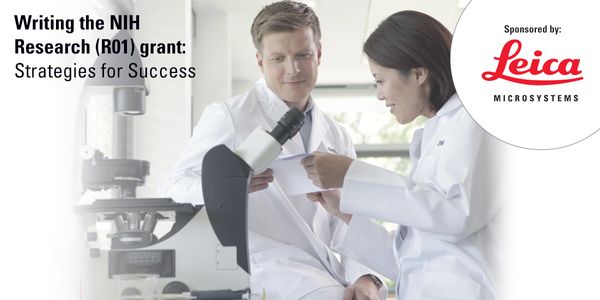
DATE: June 18, 2019TIME: 11:00am PDT, 2:00pm EDT With highly competitive NIH budgets and ever-increasing restrictions on federal spending, getting noticed and winning...
DATE: June 18, 2019TIME: 7:00am PDT, 10:00 EDT, 4:00pm CET PSCs represent an important tool in a wide range of applications, including basic research, disease modeling, drug...
DATE: June 12, 2019TIME: 10:00am PT/1:00pm ET With the ever-changing healthcare ecosystem, you are being asked to continually perform better than ever before. Your patients con...
DATE: June 5, 2019TIME: 8:00am PDT, 11:00am EDT, 5:00pm CEST Eukaryotic cell cultures respond to the most subtle influence. Apart from the risk of contamination, minimal chan...
Tissues in the body are wonderfully organized, with specific arrangements of cells, extracellular matrix, secreted molecules, and fluid flow that synergize that create emergent functions. How...

The attractiveness of 3D printing technology in the microfluidic field is growing, specifically stereolithographic (SLA) type 3D printers, owing to their low cost, versatility, fast and easy...
With growing standards of patient care, clinical testing laboratory across the world are forced to change the way they manage their laboratory operations. More focus is now given to automatio...
Computer vision (CV) has seen rapid growth in many industries, including the life sciences with high-content cell imaging and phenotypic assays. However, many biomolecular and cellular assay...
In this seminar, Dr Elvira will talk about the use of droplet microfluidic technologies for drug discovery. Initially, she will discuss the fundamental concepts of droplet microfluidic techno...
The ultimate limits of diagnostics in biology are the “quantum” units that convey information, e.g. single nucleic acids, proteins, and cells. Microfluidics has emerged as a power...
DATE: May 22, 2019TIME: 08:00am PDTOmics analysis offers the potential to obtain deep insight into biological processes as well as a rich source of potential biomarkers. While the consu...
Screening to identify all known viruses and other pathogenic microorganisms including bacteria, fungus and parasites in human tumor tissues will provide a more comprehensive understanding of...
Speculations that some form DNA alteration might be utilized by the brain date to the 1960s [1] wherein hypotheses for genomic alterations of germline DNA were proposed for immunoglobulins an...
The development of automated DNA sequencers utilizing Sanger sequencing and capillary electrophoresis made it possible to develop the first draft sequences of the human genome. The cost of do...
Tumor mutational burden (TMB) is an emerging biomarker that correlates with response to immunotherapeutic agents, such as checkpoint inhibitors. Recent studies indicate that a high mutation l...
The NIH put Precision Medicine on the map as a revolutionary way to manage disease, delivering the right treatment, to the right patient, at the right time. But what does Precision Medicine r...
Recent advances in genomic technologies have revealed enormous complexities and uniqueness of human physiology. Although enormous efforts are being made to apply this knowledge to enhance the...
DATE: June 20, 2019TIME: 8:00am PDTRetinal ganglion cells (RGCs) are projection neurons that process and transmit visual information from the retina to the brain. In a group of disea...
Most cancer therapies have highly variable activity from one patient to another, with only a fraction of patients’ cancers responding to a given treatment. In many types of cancer, comb...
Inherited disorders affect millions of people globally. These diseases significantly impact lives of patients and their families, and in addition, also results in substantial socio-economic i...
Virtually all tumors are genetically heterogeneous, containing subclonal populations of cells that are defined by distinct mutations. Subclones can have unique phenotypes that influence disea...
DATE: June 19, 2019TIME: 10:00am PDT, 1:00pm EDT As we develop new methods to create more biologically relevant models for research in understanding disease etiology and in...
DATE: June 19, 2019TIME: 8:00am PDT, 11:00am EDT Approximately 80% of all cancers are known to be affected by both somatic mutations and copy number changes. Furthermore, r...
DATE: June 18, 2019TIME: 11:00am PDT, 2:00pm EDT With highly competitive NIH budgets and ever-increasing restrictions on federal spending, getting noticed and winning...
DATE: June 18, 2019TIME: 7:00am PDT, 10:00 EDT, 4:00pm CET PSCs represent an important tool in a wide range of applications, including basic research, disease modeling, drug...
DATE: June 12, 2019TIME: 10:00am PT/1:00pm ET With the ever-changing healthcare ecosystem, you are being asked to continually perform better than ever before. Your patients con...
DATE: June 5, 2019TIME: 8:00am PDT, 11:00am EDT, 5:00pm CEST Eukaryotic cell cultures respond to the most subtle influence. Apart from the risk of contamination, minimal chan...
Tissues in the body are wonderfully organized, with specific arrangements of cells, extracellular matrix, secreted molecules, and fluid flow that synergize that create emergent functions. How...

The attractiveness of 3D printing technology in the microfluidic field is growing, specifically stereolithographic (SLA) type 3D printers, owing to their low cost, versatility, fast and easy...
With growing standards of patient care, clinical testing laboratory across the world are forced to change the way they manage their laboratory operations. More focus is now given to automatio...
Computer vision (CV) has seen rapid growth in many industries, including the life sciences with high-content cell imaging and phenotypic assays. However, many biomolecular and cellular assay...
In this seminar, Dr Elvira will talk about the use of droplet microfluidic technologies for drug discovery. Initially, she will discuss the fundamental concepts of droplet microfluidic techno...
The ultimate limits of diagnostics in biology are the “quantum” units that convey information, e.g. single nucleic acids, proteins, and cells. Microfluidics has emerged as a power...
DATE: May 22, 2019TIME: 08:00am PDTOmics analysis offers the potential to obtain deep insight into biological processes as well as a rich source of potential biomarkers. While the consu...
Screening to identify all known viruses and other pathogenic microorganisms including bacteria, fungus and parasites in human tumor tissues will provide a more comprehensive understanding of...
Speculations that some form DNA alteration might be utilized by the brain date to the 1960s [1] wherein hypotheses for genomic alterations of germline DNA were proposed for immunoglobulins an...